Niche

Jane gave me the honor of writing the foreword to her book and I did so with great pleasure.

Jane Tims: Niche. KDP.
Book Review

Niche, the fourth poetry book published by Jane Tims, is a neat configuration of six segments that elaborate and illustrate the poet’s original definition of the multiple meanings of her title word niche. It is very difficult to separate the author from the act of narration as her keenly observed and skillfully executed drawings, together with their verbal representation on the page, are so autobiographical and so much an extension of her artistic and professional abilities that the objective separation of writer and text is scarcely possible. It is hard to forget that Jane Tims was, and to a great extent, still is, a highly competent professional botanist. The harnessing of the professional botanist, with her unique drawing skills and scientific knowledge, to the poet and auto-biographer is a key factor in the reading and interpretation of this text in which acute observation blends with an intimate knowledge of the observed botanical world, both flora and fauna, and this allows the poet, in her role of poetic narrator and lyrical voice, to weave a network of poems that are, at one and the same time, objective and intensely subjective.

The author emphasizes this when she writes in the Preface that “In biological terms, the niche is the quality of a space occupied by a living thing, the sum total of physical, nutritional, biological, psychological and emotional needs gathered together in one place.” She also reminds us that in human terms “niche can be a metaphor for home, community or personal space” and it is within these metaphoric spaces that the poetry text is elaborated. The text becomes a linked mixture of visual drawings, iterative thematic imagery and associative fields, all centred on the multiple meanings of niche. These terms are both biological and human in nature and the poet’s named world meets at this juncture between the human and the natural.

The section occupying space (1-19) bears the subtitle satisfying need and begins with a setting out of what this means in the following 12 poems and 4 accompanying drawings. The poem ‘apples in the snow’ with its companion drawing stands out for me. The section strategy, subtitled solidifying position (21-43) outlines in poetic terms, how plants, animals, and humans ensure their own survival. The section praying for rain, subtitled, avoiding danger and discomfort (45-68), offers views on discomforts and dangers. It also opens the discussion—relocate or stay where we are? The section mapping the labyrinth or places I have occupied (69-83), which contains the wonderful sentence “When I get lost on the road ahead, I look to the road behind me,” throws open the multiple meanings of home. The section new ways for water, subtitled coping with change (85-98), offers a double landscape, first, external, the things seen, touched, examined, remembered and described, and then the internal landscape that reflects upon them and is reflected in them. Finally, forgetting to move, with its subtitle getting comfortable (99-111), presents an autobiography that links observer (the twin personage of author and narrator) to observed (nature, both flora and fauna, and the added element of autobiography and self) via the symbiotic relationship of botanist to botany.

Two moments stand out for me. (1) Sadness is in seeking the space that is never found. (2) Loneliness is in trying to return to a space once occupied but no longer available. The whole concept of the Welsh word hiraeth is summed up in these two lines. Carpe diem, Jane Tims’ poetry indeed seizes the day and, with its minute, intense observation, it preserves so many precious moments. It also pays attention to that which has been lost, those moments that are irretrievable. They will vary for each reader, but hopefully, like me, you will take great pleasure in discovering them for yourself.

Comment: Brian Henry of Quick Brown Fox picked up this review and published it on QBF. Thank you, Brian and thank you Jane, you both do me great honor. Here’s the link: Niche on QBF 14 March 2021

Water

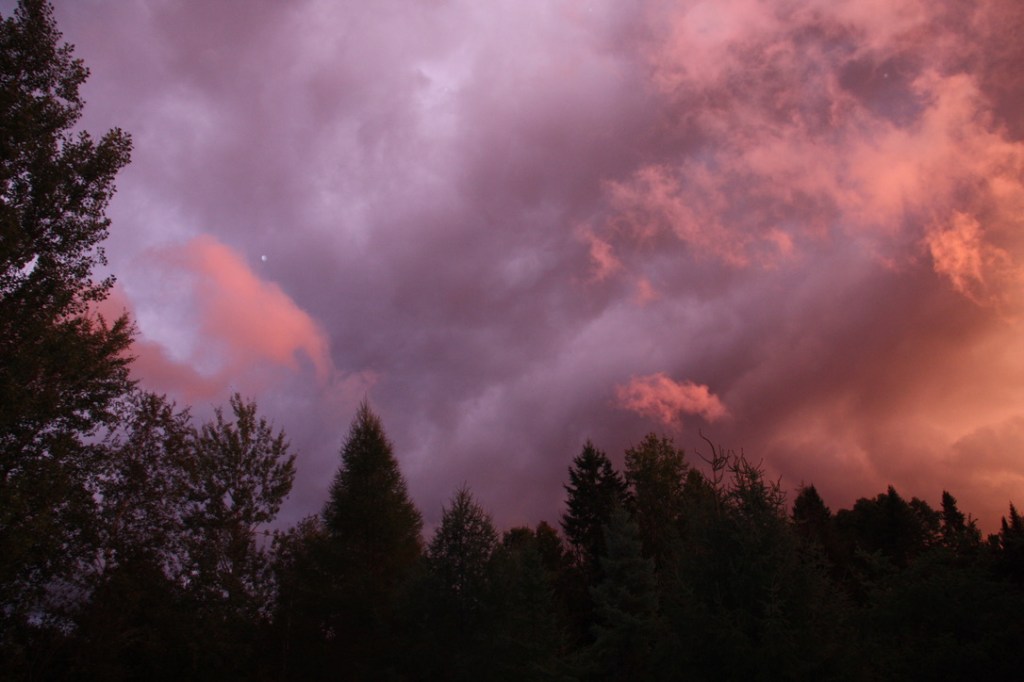
Not Oaxaca, but Avila, with una tromba, a meseta rainstorm, about to descend upon us. And when it descends, there is water, water, everywhere, as you can imagine from the clouds. In Oaxaca, water is precious. Tap water is to be avoided. Bottled water is to be preferred. We used to wash our vegetables in water that was specially chlorinated, also the pots and pans!

Water
Peragua
Water seeks its final solution as it slips from cupped hands.
Does it remember when the earth was without form
and darkness was upon the face of the deep?
The waters under heaven were gathered into one place
and the firmament appeared.

Light was divided from darkness
and with the beginning of light came The Word,
and words, and the world …
… the world of water in which I was carried
until the waters broke
and the life sustaining substance drained away
throwing me from dark to light.

The valley’s parched throat longs for water,
born free, yet everywhere imprisoned:
in chains, in bottles, in tins, in jars, in frozen cubes,
its captive essence staring out with grief filled eyes.

A young boy on a tricycle bears a dozen prison cells,
each with forty captives: forty fresh clean litres of water.
“¡Agua!¡Peragua!” he calls. “¡Super Agua!”

He holds out his hand for money
and invites me to pay a ransom,
to set these prisoners free.

Real water yearns to be released,
to be set free from its captivity,
to trickle out of the corner of your mouth,
to drip from your chin,
to seek sanctuary in the ground.

Real water slips through your hair
and leaves you squeaky clean.
It is a mirage of palm trees upon burning sand.

It is the hot sun dragging its blood red tongue across the sky
and panting for water like a great big thirsty dog.

https://rogermoorepoet.com/2016/04/28/water/

Comment: More and more competitions, publishers, and magazines are asking for ‘original material, not previously published, or self-published, even on your own blog.’ So what is a poet to do? Put up fresh material, and it is illegible for entry elsewhere. Recycle and revise old material? Now that might work. Click on the link above for the original version of this post! And yes, it has been previously published on these ages!

Downsizing

fire the means of forging / Omega and Alpha / beginning and end

Downsizing

a double sword
this clearing out
of odds and ends

the library diminishing
book by book
so many memories
slipped between the covers
dust-bound now
yet springing so quickly
back to life

sorrowful not sweet
these multiple partings
from people I will never see again
save in my dreams

I think of book burnings
so many heroes
gong up in flames
fire their beginnings
fire their ends

fire the means of forging
the Omega and Alpha
of those book worlds
that surround us

fire words
encircling us
consuming us
outside and in

Daybreak in the Red Room, KIRA

Dawn from the window of The Red Room, KIRA, June 2017.

Daybreak

… early morning sunshine
creepy-crawly spider leg rays
climbing over window and wall
my bed-nest alive to light
not night’s star twinkle
but the sun’s egg breaking
its golden yolk
gilding sheet and pillow
billowing day dreams
through my still sleepy head …

… the word feast festering
gathering its inner glimpses
interior life of wind and wave
the elements laid out before me
my banquet of festivities
white the table cloth
golden the woodwork’s glow
mind and matter polished
and the sun show shimmering
its morning glory …

Comment: It seems like only yesterday, though three and a half years have slipped swiftly by. Each summer I am envious of those chosen to represent their artistic disciplines at KIRA. The joys of waking in the Red Room and of writing at the desk there will stay with me for ever. It was pleasure and a privilege. And still I live in hopes to see sunrise from the Red Room once more. This poem incidentally is from my poetry collection entitled One Small Corner. It was written at KIRA (Kingsbrae Gardens) in the month of June, 2017. One Small Corner is available on KDP and Amazon. Here is a link to the KIRA Video.

Lighthouse

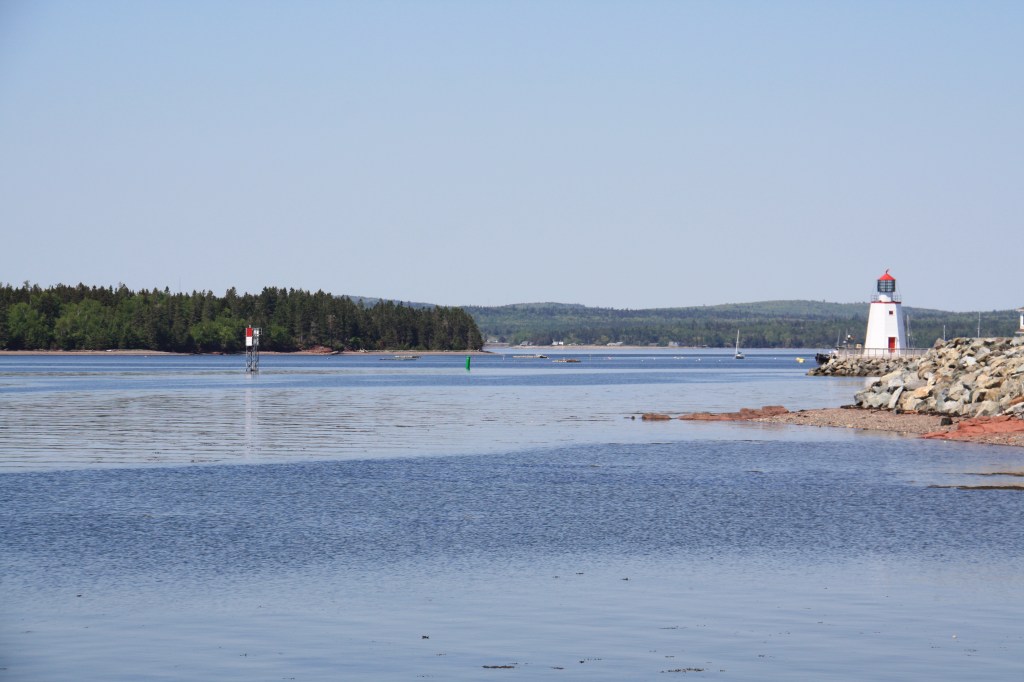
A lighthouse to light your way, shining to make the night as clear as day and to highlight any obstacles that might stand in your way.

Lighthouse

            Once upon a time that lighthouse on the quay was a young boy who sat within the shadow of his father’s tale. He sensed he would never feel the power of his own words because he didn’t seem to have any on account of the black hole inside him that swallowed everything up. He thought he would never know the joys of creating his own myths, telling his own story. He thought he would never come to grips with storm music, wind and rain, a lost path sought and found. He longed for someone to gift him a rainbow, with or without its pot of gold. He also thought that the fatal shadow, cast upon a child by a father, would always be there.
            One day, the early morning sun knocked on his bedroom window. He drew back the curtains and let in the light. That day, he emerged from the shadow and saw that the world was bright and filled with sunshine. Each morning, he breathed in the sunlight, felt it flow through his body. His heart pumped new blood and he was refreshed by the joy of living, of being himself, of being nobody but himself, unique and wonderful, subject to nobody’s wishes and whims. Gradually he grew into the person he was always destined to be.
            The sun’s rays lit up his face and eyes. Sunshine flourished within him and renewed not only him but all that he touched. Light flooded out like the beam from that other lighthouse, over there, on those rocks, that was put there to help and guide wayfarers and seafarers lest they become lost at sea.
            Lost, he found himself. Found, he centred himself. Joy and hope, belief and knowledge took root under the sun that each day nourished his body, soul, and spirit. Renewed, light flooded from him. He burned like a bonfire or a beacon and became one of those special lights that enlighten the world. He became that lighthouse.

Comment: One of the prose poems from Tales from Tara that slipped in here by accident. I have included it for, and dedicate it to, my good friend and fellow writer, Judy Wearing, to wish her well with health and strength in this new year that is now turning into something special.

Jack Pine and Stars

Jack Pine and Stars

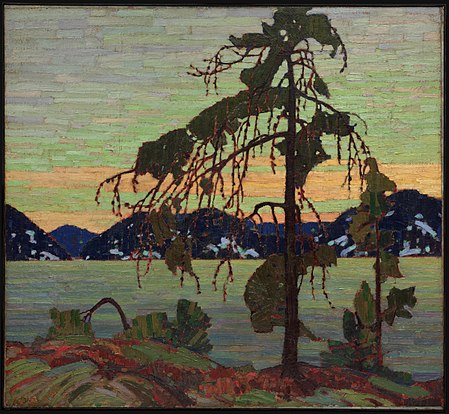
            Sitting on the porch at Tara Manor, measuring the evening shadows as they lengthen and thicken, I study the jack pine’s wild, extravagant growth, the way it reaches out to reject the commonplace of ‘tree’, as Milton Acorn rejected the commonplace of ‘poet’.
            The jack pine grows in radical disorder, sprouting here, there, anywhere the sea wind blows and its capricious nature dictates. Each limb of the jack pine bears a thin layer of salt, borne in from Passamaquoddy Bay by thin fingers of air that sow salt on branches and needles. Broken branches, untidy crows’ nests limb-tangled like grim, bedraggled hair sprout out from on high. Lower down the tree extends a branch, held out towards me like a helping hand.
            Charcoal shadows fill in the gaps between darkening trees. Shy deer emerge, step by cautious step, drifting their sylvan ghosts, delicate, across footpath and lawn. Wrapped in a scarf of peace, I forget the city’s hustle and bustle. Stars poke peepholes in the dark. I try to name each constellation, as it traces its new-to-me path across the indifferent evening sky.
            I look around: more jack pines, no two the same. How could they be? There’ll never be another poet like Milton, another book like his Jack Pine Sonnets, no tale like his own tale told in his own inimitable way.

Dog Daze

Street of Life or Death

Dog Daze

Memories deceive me with their remembered shows,
shapes shifting with a click of the magician’s fingers.
What magic lantern now slips its subtle slides

across night’s screen? Desperate I lap at salt-licks
of false hope that increase my thirst and drive me
deeper into thick, black, tumultuous clouds.

A pandemic storm lays waste to the days that dog my mind.
Carnivorous canicular, hydropic, it drinks me dry,
desiccates my dreams, gnaws me into nothingness.

At night a black dog hounds me, sends my head spinning,
makes me chase my own tail, round and round. It snaps at
dreams, shadows, memories that ghost through my mind.

Tarot Cards and Tea Leaves are lost in a Mad Hatter’s
illusion of a dormouse in a teapot in an unkempt tale.
Hunter home from the hill, I return to find my house
empty, my body devastated, my future a foretold mess.

Comment: Tough days around us and even tougher ahead. Covid-19 in the schools and people I know, young and old, frightened and in quarantine as a result. People I know and members of my far-flung (thank you, Jennifer, for that long-lost word) family. Funerals to the right of me, funerals to the left of me, of friends I know, acquaintances I hardly know, and many more whom I’ll never know now. “Into the jaws of Covid-19 rode the gallant six hundred, all masked, many falling, fewer of them every minute of every day.” Gallows humor keeps me alive. Last night my favorite teddy bear went AWOL. I got up at 3:00 am and sent out a search party. Sharp eyes spotted the copper band I lost last week. It had been hiding under the pillow. Then, joy of joys, they spotted Teddy’s black velvet band, the one that ties up the hair that falls over his shoulder and gets up my nose and makes me sneeze. They hauled him out from under the bed. I picked up the phone and cancelled the 911 call before the masked men in their jackboots and their PPE could break down the door and strip search the house for a missing bear. Alas, dear Mabel: I would if I could but I am not able.” How those words resound in my ears. Left ear, right ear, and, like Davy Crockett, a wild front ear. I will not give in to morbidity. ‘He who fights and runs away lives to fight another day.” I will survive for another day. Meanwhile, I’ll call for General Worthington, the fellow who can always make the enemy run. “Will you have a VC?” I said “Not me: I’d rather have a bottle of Worthington.” Alas, they don’t make it anymore. And Watney’s Daft Red Barrel has bitten the dust and gone the way of the dodo. And all my friends are in the doldrums, watching, as Admiral Brown abandons ship, mans the boats, and hauls away into fairer weather and cleaner waters. You say you do not understand? ‘Blessed are the poor in intellect, for they shall know peace in these troubled times.’

The truth goes marching on.

A Survivor Lights a Candle

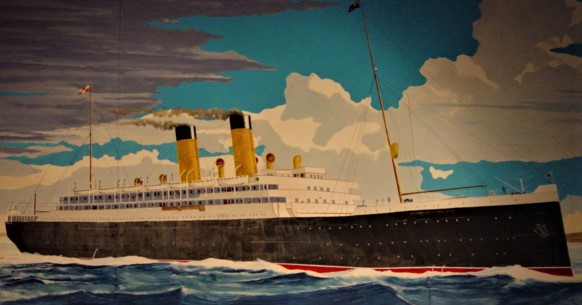
A Survivor from the Empress of Ireland
Lights a Candle During the Old Latin Mass for the Dead
Before the Main Altar at the Sanctuaire Sainte-Anne
Pointe-au-Père

1

I am still afraid of fire:
in principio erat verbum
/ in the beginning was the word.

I am still afraid of the loud voice of the match
scratching its sudden flare,
narrowing my pupils,
enlarging the whites of my eyes:

et lux in tenebris lucet
/ and light shines in darkness.

Booming and blooming,
igniting the soul’s dark night.

Voice of fire:  
et Deus erat verbum
/ and the Word was God.

Flourishing to nourishment,
flames whispering on the flood:
omnia per ipsum facta sunt
/ all things were made by Him.

Wool and water,
this sodden safety blanket;
and what of the cold
plush of pliant teddy bear,
the staring eyes of the doll:

et tenebrae eam non comprehenderunt
/ and the darkness comprehended it not.

2

The lashes of their eyes bound
together with salt water,
they were doused in a silken mist:
hic venit in testimonium
/ this served as a witness.

Still the patterns pierce my sleep,
hauling me from my opaque dreams,
holding my wrists in this sailor’s double clasp:
non erat ille lux
/ he was not the light.

Oh! Curse these dumb waters rising!
“Not a hair on your head shall be harmed!”
he said,
hauling my sister up by her hair
only to find her staring eyes
belonging to the already dead:
et mundus eam non cognovit
/ and the world knew her not.

3

Night waters rising.
The moon raising
its pale thin lantern glow:
et vidimus gloriam ejus
/ and we saw His glory
shining forth
upon the waters’
mirrored face.

Comment: I searched everywhere, but I could not find a copy of my poetry book Empress of Ireland. Nor could I find a file containing the poems. Lost, I searched everywhere yet again and then, on an old USB, I found the text of the chapbook M Press of Ire. The above poem comes from that chapbook. Empress of Ireland is available on KDP / Amazon. I had forgotten how much I loved the sequence.

Some People

Some people leave indelible impressions
memorable moments impressed
on memory’s eye or clasped closely
to the butterfly heart caged in its chest
wings wildly beating as it strives for flight

some people cast shadows on snow
leave footprints light as flakes
as they walk across our waking dreams
or call on us in those midnight hours
when their image sears the drowsing mind

Some people set a fire in our hearts
allow us to see things out of sight
to write what we never thought to write
to reach out to the unreachable
to teach what we thought was unteachable

Stars in night’s silence they point the way
lead us on paths we never thought to tread
present us with a thread to lead us
through life’s labyrinths and out
from the darkness into bright light

Sometimes they cross the rainbow bridge
before we do and when they go we know
deep down in our hearts that they are there
just out of sight waiting for us ready
to welcome us when it’s our time to go

Downsizing

Books abandoned on the sea shore of life.

Downsizing
Francisco de Quevedo

I chose each book, held it in my hands for
one last time, then placed it peacefully in
its new resting place. Old friends, they were …
I broke that friendship and set my friends free
to fulfill their promised afterlife on
another reader’s shelves.

Mind to mind, though they had
lived five hundred years ago,
I strove to engage them in lively
conversation, Bakhtinian dialogs
within our time and space, and
that space my basement library.

I loved to hear their lilting speech,
to listen to their wisdom with open eyes
and mind. I answered them with words
I quickly pencilled on each page.

One day, a man arrived from the university.
He carried them away in a delivery truck
and they were borne to a wider world.

If you see on, bless it, read it, cherish it.
Blind now my eyes that devoured their words.
Deaf now my ears that heard the dead,
for I can listen no more.

Note: “Escucho con mis ojos a los Muertos /
I listen with my eyes to the words of the dead.”
Francisco de Quevedo (1580-1645)

With thanks to Nicholas Wermuth, who was kind enough to comment and help me revise and restructure this poem.