There are striations in my heart, so deep, a lizard could lie there, unseen, and wait for tomorrow’s sun.
Timeless, the worm at the apple’s core waiting for its world to end.
Seculae seculorum: the centuries rushing headlong. Matins: wide-eyed this owl hooting in the face of day.
Somewhere, I remember a table spread for two. Breakfast. An open door. “Where are you going, dear?”
Something bright has fled the world. The sun unfurls shadows. The blood whirls stars around the body. “It has gone.” she said. “The magic. I no longer tremble at your touch.”
The silver birch wades at dawn’s bright edge. Somewhere, tight lips, a blaze of anger, a challenge spat in the wind’s taut face.
High-pitched the rabbit’s grief in its silver snare. The midnight moon deep in a trance. If only I could kick away this death’s head, this sow’s bladder, this full moon drifting high in a cloudless sky.
Comment:
La poesía se explica sola. Si no, no se explica.
Pedro Salinas.
Poetry explains itself. If it doesn’t, it’s inexplicable.
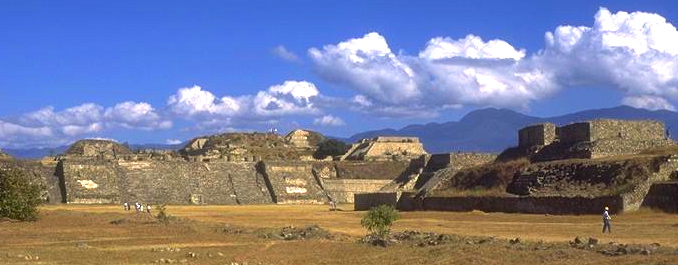
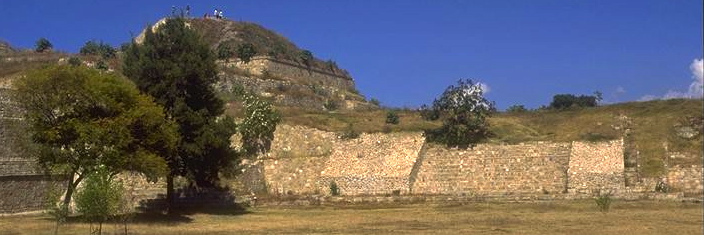
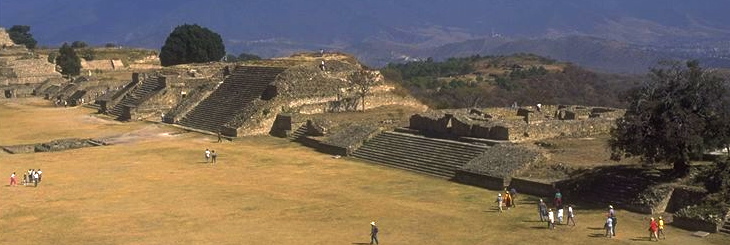
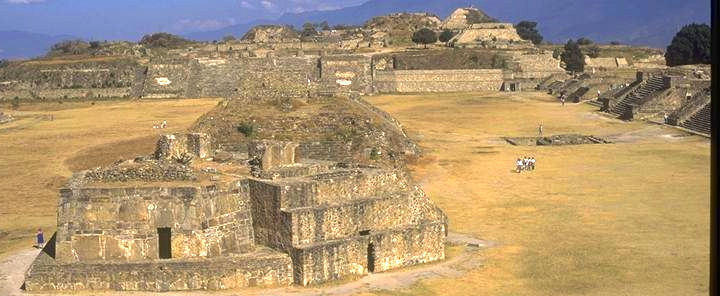
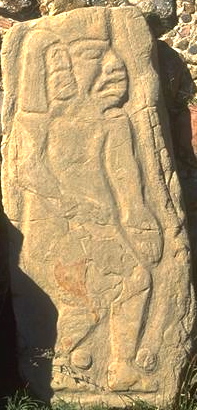
My poem, The Dancers and the Dance, refers both to the danzantes and to Monte Albán. Monte Albán was the capital of the Zapotecs and the principal city in the Oaxaca Valley (Mexico) between its foundation in approximately 500 BCE and its abandonment in approximately 750 CE. The White Mountain, thus named by the Spanish conquistadores, is justly famous for its temples, its tombs, and its carvings.
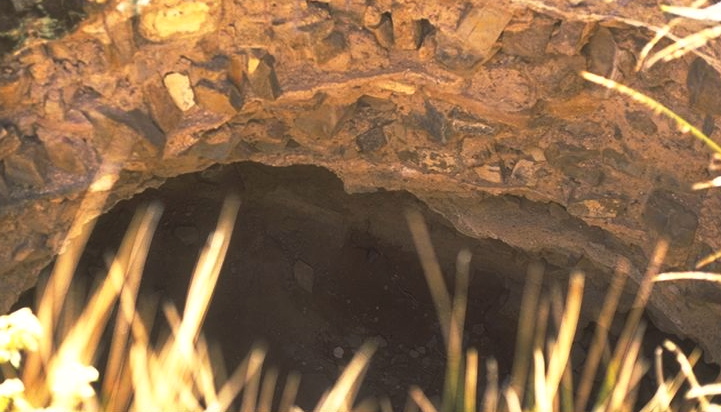
Two natural phenomena affected Monte Albán and its population. The first was drought and the dried earth with its brown and yellow tinges is clearly visible in these photos. The second natural problem came from earthquakes, for this is indeed an earthquake zone with active volcanoes causing tremors at regular intervals. The temples, even today, sometimes need repairing as earthquakes have been known to destroy even the reconstructed temples.
In fact, the abandonment of Monte Albán may well have been caused by an earthquake that cracked the enormous natural cistern in which the population’s water supply was stored.
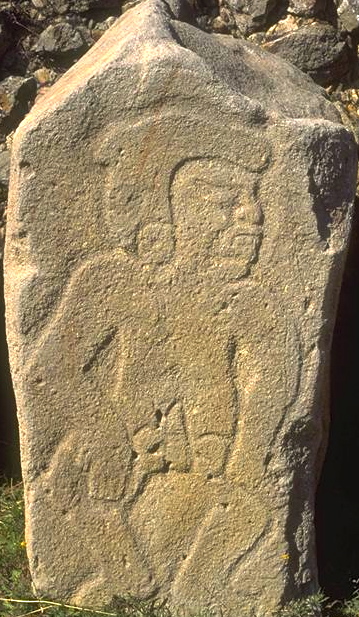
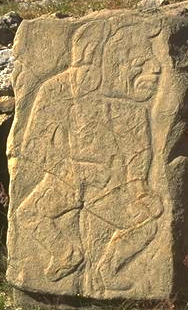
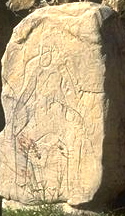
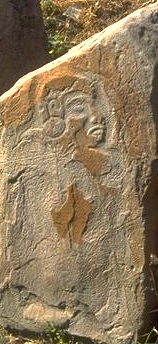
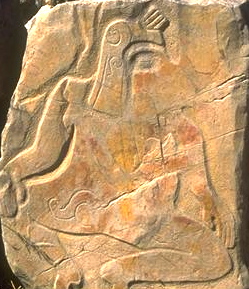
The Danzantes are strange, grimacing characters that have been carved into prisons of stone. They may be captured warriors awaiting sacrifice or the chieftains of conquered tribes humiliated, perhaps tortured, and then flash frozen into stone photographs where for centuries they have danced out their torment. Whoever and whatever they may be, they still dance on Monte Albán.
My poem, The Dancers and the Dance, captures a different form of dancing. It is taken from my book Sun and Moon: Poems from Oaxaca (2000) and contains echoes of the vibrant folkloric culture that thrives to this day both in the city of Oaxaca and in the Oaxaca Valley. Here, traditions are remembered and relived. Each year, on the Day of the Dead, for example, families place food and drink alongside photos of the dearly departed on altars inside their houses and their doors are thrown open to welcome their deceased family members as they return along the marigold paths that lead to their former homes.
The Dancer and the Dance
1
she comes here to dance for me only for me does she dress this way she shows me her dreams unfolding them one by one silk and cotton garments drawn fresh from her scented closet thin copper bracelets carved wooden mask only her eyes reveal subversive flesh and blood
2
she orchestrates her story skin drum rattle of seeds in a sun-dried pod single violin string stretched across an armadillo’s shell I too am tense like an instrument waiting to be played the bones of my love reach out towards her
3
when she makes her music familiar spirits return to the earth dancing in a sash of moonlight she recreates an ancient spell gold letters plucked from dark scrolls no wands no words just water’s purity flicked fresh across lips and face she binds me with the string of notes she undoes with her hair our bodies form an open altar we worship with mysterious offerings drawn from wells set deep within us
4
Rain falls from the sky Moon turns his face away suddenly in darkened alleys clouds hold hands and dance dense streamers of light dangle from street lamps shadows remember their forgotten steps gently she draws me to her I try to follow frail whirlpools of withered leaves fragment weak sunshine in light’s watery pool
5
her magic grows I take my first step an unmapped journey into desert space we move to old rhythms across moon flecked clouds raindrops fall more slowly faltering drum beat diminishing water
6
high above us the ghost of a melody shaking its head wringing its hands we return at last to light and air the moon’s vacant face scowls in an empty field someone has plucked the stars one by one and threaded them like a chain of daisies now there are no sky flowers to adorn the night
7
noche de rábanos someone has taken a knife and peeled an enormous radish this cartoon moon face this full skull hanging from nothing this lantern lighting from above now my lover sculpts time and space into small chunks each sacrifice a jewel between her fingers I pin to my chest three small notes and a skeleton of words
8
inside my dancing head the fires have gone out without her hands to guide me my feet have turned clumsy scars layer my wrists and ankles star crossed bindings cutting against the grain I gather a harvest of stars she holds them in her eyes her fingers are grasshoppers making love in my hair when she kisses my fingernails one by one we both know our bodies will never be the same
9
together we weave a slender cage she cuts out my heart with her tongue placing it on an altar inside the bars she locks the tiny door a silvery key wrought from moonstone my fluttering heart grows miniature wings next time the door is opened my wings will fly me to her lips my heart is a caged bird on a tiny perch it chirrups a love song its image in the mirror answers back breathless it scrapes its wings on the moon its body striving upwards to the stars
10
on Monte Albán the danzantes sway to soft music their shadows dance in and on stone as they have danced for centuries wind rustles the grass moon casts sharp shapes darkness ascends the temple steps huge fingers grasping upwards an owl’s feathers clutching at the skies at dawn tomorrow the sun will rise beneath our feet we will squint down on its majesty we will pluck the ripeness of its orange in our outstretched hands
11
our last night together I pluck a blossom from the tulipán tree a final offering of my love she gives it back I place it in the pocket of flesh where I once kept my heart tomorrow when the flower breaks it will stain my shirt a damp splash of blood no longer running in my veins the scent of our happiness will cling forever to my fingers
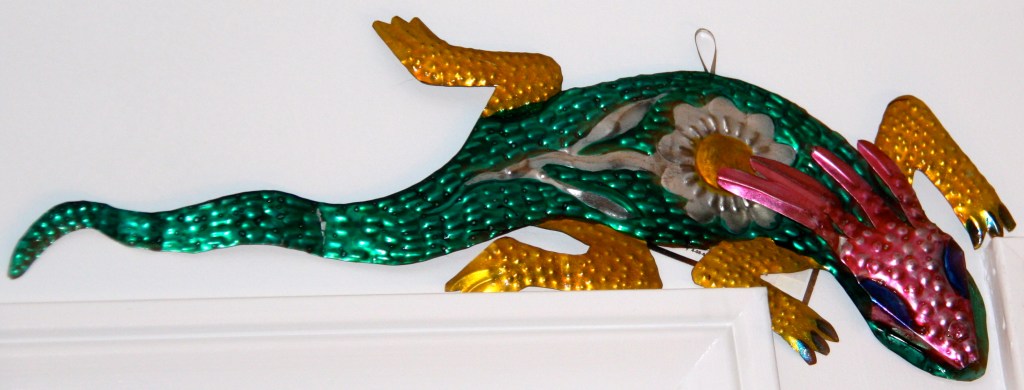
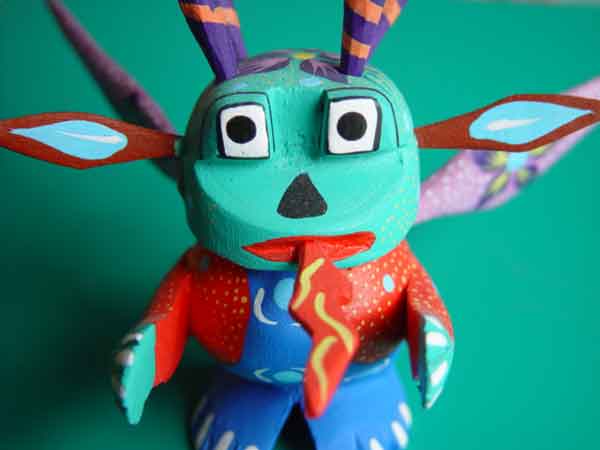
Alebrijesstep out from dried wood and stand in the shower of paint that falls from the brush’s tip. Yellow flash of lightning, pointillistic rain, garish colors that mirror those of the códices. The carvings take the form of fantasy figures, anthropomorphic animals, and mythological creatures.
Sometimes one individual selects the wood, carves it, then covers it in paint. Occasionally an entire family takes part in the work of making the alebrije. One person collects the wood and prepares it for carving. Another carves and sands it. A third works on the undercoat, and a fourth applies the final patterns of paint.
The great debate: does the form in the wood reveal itself to the carver or do the carvers impose their own visions on the wood? In the case of the team, do the family members debate and come to a joint conclusion?
These thoughts, exchanged with wood-carvers in Oaxaca, all with different opinions, have led to a series of interesting conversations. What exactly is creativity? Where does it come from? Do we, as artists, impose it upon our creations? Or do we merely observe and watch as new ideas float to the surface of our minds? How does the creative mind really function? And, by extension, how much of the sub-conscious creative sequence can be placed into words?
Alebrijes
Are they half-grasped dreams that wake, wide eyed, to a new day’s sun?
Or are they alive and thriving when they fall from the tree?
Does the carver fish their color and shape from his own interior sea, or does he watch and wait for the spirit to emerge from its wooden cocoon to be reborn in a fiery block of color?
Daybreak: in a secluded corner of my waking mind, my neighbor’s dog greets the dawn with sparks of bright colors born from his bark.
My waking dream: dark angels with butterfly bodies, their inverted wings spread over my head to keep me warm. In the town square, the local artist plucks dreams from my head and paints them on carved wood.
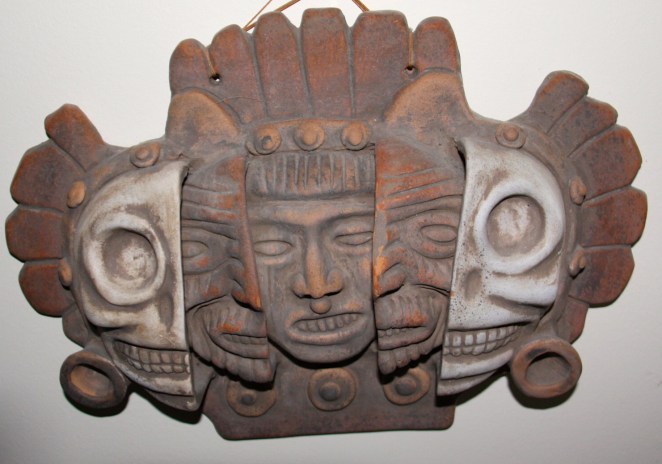
Mitla is a sacred burial place in the Oaxaca Valley. The caves in the hills above the town are said to lead directly to an underworld from which demons and devils emerge at night and by means of which humans can communicate with the souls of the dead. Mitla, in fact, is often called the city of the dead. Legend has it that if you embrace a certain magic column in the Palace at Mitla, the time left for you to live can be measured by the distance between your fingers as they reach round the pillar and almost touch. The pillar, they say, grows and shrinks according to the length of the seeker’s life. Petrus, a rock, in Latin, evolves into piedra, a rock or stone in Spanish: upon this rock will I build my church.
1 We walk on tiptoe round the garden peeling free the sunlight cloud by cloud
sometimes the heart is a sacrifice of feathers bound with blood to an ornate altar
petrus this rock cold against my chest piedra centuries of glyphs alive in your face
if our arms meet round these all too human columns what will become of us?
2 beneath your skin the woad lies as blue as this evening sky yellow light bends low in the fields below us each darkened pool a warrior fallen beneath the scythe
the moon paints a delicate circle its great round open eye stands out above the rooftops tonight it bears an eye lid carved from cloud
our teeth are diadems of whiteness we tie shadows to our heels and dance in triumph through street and square
3 daylight bends itself round rock and turns into shadow we flourish in blocks of fire
dreaming new selves from roots and branches we clasp each resurrection with greedy fingers will the moon rise again tonight and will we watch?
dark angel bodies with butterfly wings our shadows have eloped together
we can see them sitting side by side bumping knees at a table in the zócalo
4 church bells gild the barrio‘s rooftops our fingers reach to the skies and hold back light we draw shadow blinds to shut out the day night fills us with stars and silhouettes
we dream ourselves together in a silent movie closed flesh woven from cobwebs lies open to a tongue-slash of madness
the neighbor’s dog wakes up on the azotea he barks bright colors as dawn declares day and windows and balconies welcome the sun
can anyone see the dew-fresh flowers growing from our tangled limbs?
your fingers sew a padlock on my lips “Listen to the crackle of the rising sun!”
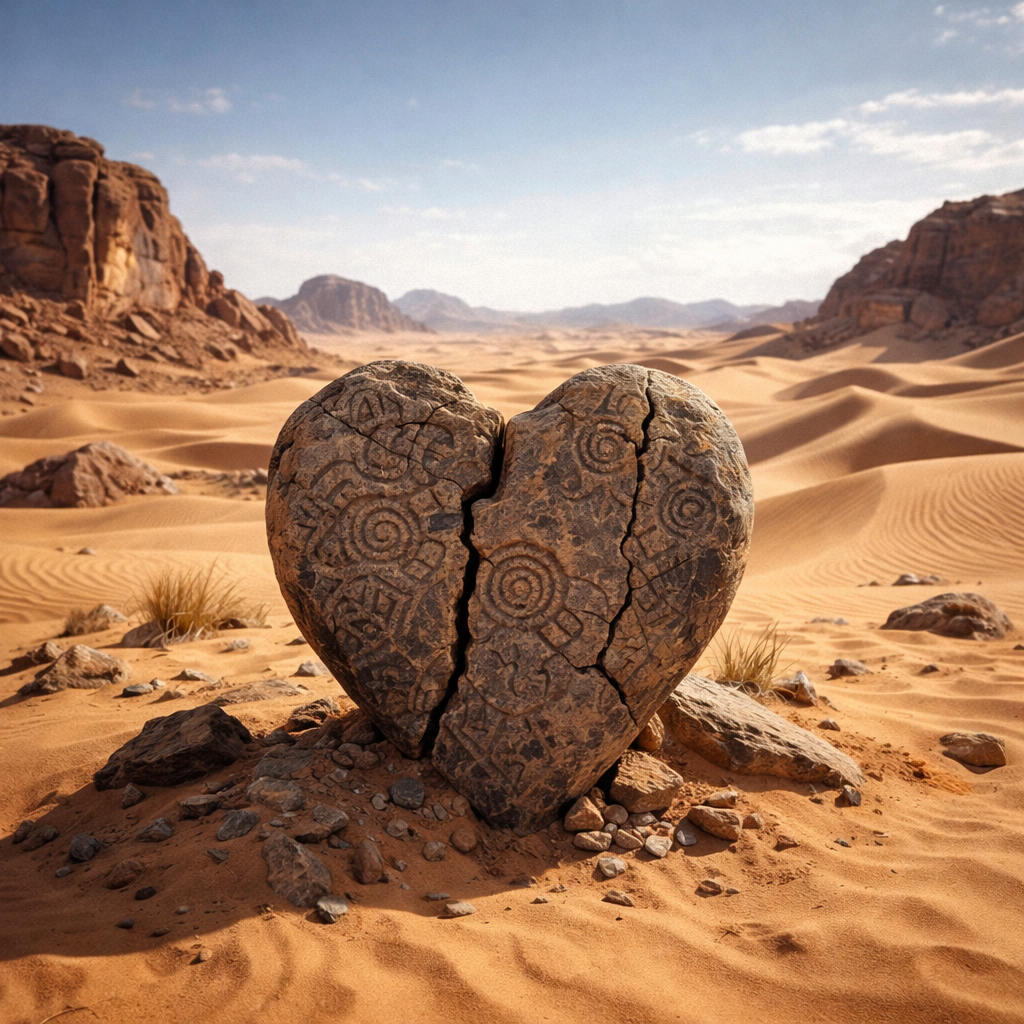
A cracked heart-shaped stone with carvings lies cracked in a desert landscape.
Inquisitor
He told me to read, and plucked my left eye from its orbit; he slashed the glowing globe of the other. Knowledge leaked out: loose threads dangling, the reverse side of a tapestry.
He told me to speak, and squeezed dry dust between my teeth. I spouted a diet of Catechism and Confession.
He emptied my mind of poetry and history. He destroyed the myths of my people. He filled me with fantasies from a far off land. I live in a desert where people die of thirst, yet he talked to me of a man walking on water.
On all sides, as stubborn as stucco, the prison walls listened, and learned.
I counted the years with feeble scratches: one, four, two, three; for an hour, each day, the sun shone on my face; for an hour, at night, the moon kept me company. Broken worlds lay shattered inside me. Dust gathered in my people’s ancient dictionary.
My heart was a weathered stone withering within my chest. It longed for the witch doctor’s magic, for the healing slash of wind and rain.
The Inquisitor told me to write down our history: I wrote how his church had come to save us.
Flames flow sparkling waters, a cataract of fire, down church walls as the Castillo burns.
Fireworks claw upwards to knock on heaven’s door and waken the sleeping gods reminding them not to forget their people.
A knife edge slices sun from shadow, heat from cool, solombra, Paz calls his neologism with its combination of sun and shade / sol y sombra.
66
I will never forget the taste and smell of my own sweat as I walk beneath the heaviness of a midday sun, its heat falling vertical and rebounding in waves from concrete and cobbles.
I recall the roughness of hand-hewn stone heated by that burning sun, the smoothness of silk contrasting with the harshness of tares in hand-woven wool, marketed in the central square.
Commentary:
Fireworks claw upwards to knock on heaven’s door. The celebrants would buy their rockets in groups of 3, 6, or 12. When the first rocket went up – whoooosh – BANG! – we would wait for the fourth. When the sixth rocket went up, same thing – do they have a full dozen? And when the seventh rocket goes up, indeed, we know they do. Sometimes, we would be woken up in the early morning, as the joyful people returned home after a night of reveling. When that seventh rocket flew skywards – we knew it was useless to try and go back to sleep!
I remember leaving the zócalo one night, turning into a side street, and being met by a wall of people. A whole village, with its accompanying band stood there, waiting. Up went the first rocket, the band started to play, and the dancing broke out. No sleep for the gods that night. Their people needed them and had come knocking on the door. I was always amazed by the way the old gods stood shoulder to shoulder with the new gods of Christianity. The number of people who worshiped both also surprised me.
I last visited Oaxaca in 2001. I wonder how much has changed. I hope the dancing trees never change. Inside them, young children, their eyes peering through the bark, followed the band music. Occasionally, one of them would stop, open his or her tree, and invite you in. Alas, I never had the courage or the skill to accept the invitation. Even by 2001, the traditional carnival figures – monos – were gradually being replaced by Donald Duck and Mickey Mouse. Tragic, in so many ways. I hope they keep the traditions of the rockets and the music and the trees.
I cannot bring you the sounds and smells of my own backyard, let alone those of Oaxaca.
The pungent odour of the first drops of rain, falling from a blue sky into dry dust.
The tang of bees’ wax candles, burning in the cathedral’s darkness where la Virgen de la Soledad clad in black velvet sequined with stars stands on guard in her small side chapel
Nor can I bring you the high notes sung at the golden altar in Santo Domingo by the old woman, dressed in black, who sings here every day.
The central market is a bustle of bursting scents, rooftop goats snicker above me, my neighbor’s German Shepherd patrols the roof-garden and growls in my ear.
Commentary:
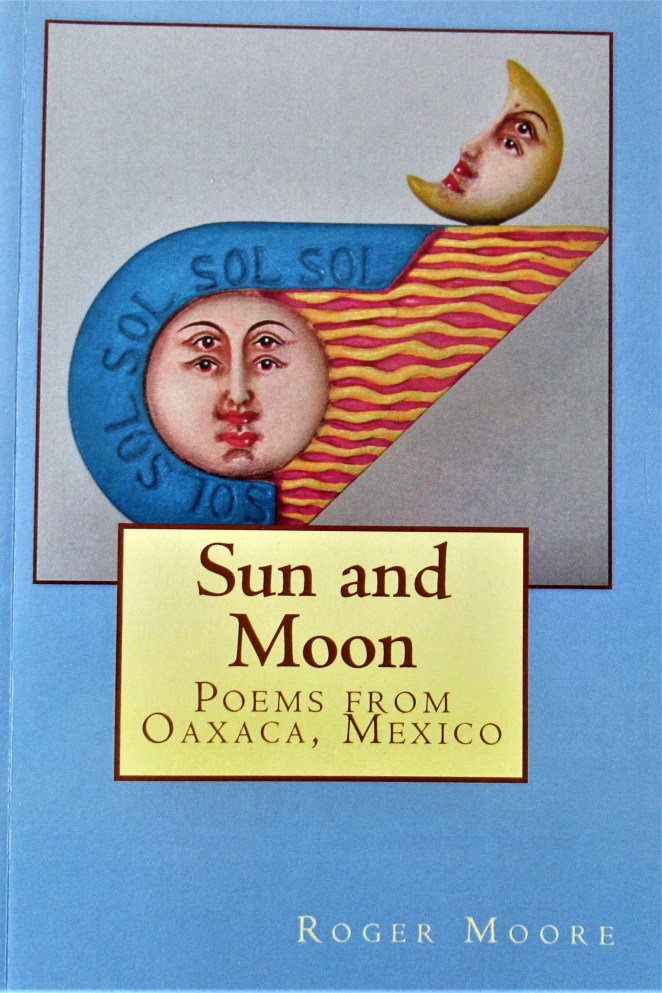
Sun and Moon is the first book in the Oaxacan Trilogy – Sun and Moon, At the Edge of Obsidian, Obsidian 22. I travelled to Oaxaca for 6-8 weeks each year between 1995 and 2001. I taught there and also researched the language, the culture, and the Mixtec Codices. Quite simply, my Oaxacan experiences changed my artistic, linguistic, educational, and cultural life. How? I earned to distinguish between what I could, and couldn’t do. A simple lesson, but one that needs to be understood at the deepest level of understanding.
The lessons took in all of my five senses – touch– dry dust, carved wood and stone, the tares in woven blankets -, taste– mole, flor de calabaza -, sight – the castillo burning -, sound – animals, goats and sheep, herded to the market-, smell– the central market is a bustle of bursting scents – hearing – rooftop goats snicker above me. A select few that blended with music of guelaguetza and the dancing that accompanied the village bands. But the experience(s) went beyond that. I began to realize, deep down, who I was, what I was, and, perhaps more importantly, what I wasn’t, what I could never be a part of, what separated myself from the other, the other whom I loved, who loved me, but who could never be a part of me.
I have a question for you. Recently I purchased a book by Forrester- The African Queen. I enjoyed the movie years ago and thought I would like to read the story. The main actors were great. The book highlighted that it showed what it was like being a female during the war, (1) which when I look back on now is one of its main points.
My question or thought on this book is tied around the library system. When I lived in Fredericton I wanted to give a bunch of books to the library, their first question to me was, “How old are the books? I told her and she said anything over five years in not being accepted. (2)
I wondered about this and the fact that many books in school are being removed, (3) how can we tell how much we have progressed? (4)
I don’t like prejudice but it seems we are throwing out too much. (5) Any thoughts on this. I don’t mind some of the history being trashed (6) because for Canada the consentation is for Quebec and Ontario.
Roger’s Response
(1) It’s also about the role of the nun in society. How do ‘holy women’ function in a male society? It sets some of the many questions we are now being faced with, but doesn’t really give any answers. It’s a long time since I saw that film. I don’t think I ever read the book – the themes might well change in print. They are present (some of them) in The Handmaid’s Tale.
(2) The library system seems to have rules and an etiquette all its own. When I donated books to the library, they accepted some for their collections, but set others up for sale on the book tables by the door. My guess is that certain books are ‘best sellers’ and will be read, others are ‘dust gatherers’ and won’t be. They want the former, not the latter. They also have specialized collections. If the books fit the specialized collections, great. If they don’t, then they hit the unwanted category and are moved on. This is particularly true of the UNB Library System.
(3) This is an entirely different question, and one with very deep roots. It deals, in part, with the question of control – quis custodiet ipsos custodies – who shall guard the guards, who shall program the programmers? By controlling what people read, you control their thoughts. One of the worst signs of this was the book burnings of the Spanish Inquisition (15th – 16th – 17th centuries). The Jews were expelled from Spain in 1492. (And the Arabs / Moors, in 1609). Prior to that, these people were ‘processed’ by the Inquisition. The original Inquisition was Papal, aimed at instructing the priesthood in Rome in how to interpret the Catholic Catechism. It was corrupted in Spain (under Fernando and Isabelle) by the Spanish Inquisition, a sort of secret police, which worked rather like the Gestapo in WWII. One of their jobs was to ensure that people who had converted to Catholicism, to avoid deportation, stayed converted and didn’t revert to their old religion, even in secret. Another was to ensure that reading material, religious material, and cultural material, particularly after 1527 (Martin Luther and his 97 theses) when the Reformation started, were all in line with the accepted Catholic thoughts of the time. All books about to be published were sent to the Inquisitorial Censor who vetted them and either approved them, or asked for changes. If he (they were all men) saw the slightest sign of dissent or heresy. Don Quixote, Book One, Chapter Six (DQ,I,6), deals with the book burnings of DQ’s personal library. In certain of the States (down south) books are already being banned. A similar ban, in certain States, that touches us closely, is the banning of Margaret Atwood’s The Handmaid’s Tale.
(4) “There is no earth, no heaven, no extended body, no magnitude, no place and that nonetheless I perceive these things and they seem good to me. And this is the most harrowing possibility of all, that our world is commanded by a deity who deceives humanity and we cannot avoid being misled for there may be systematic deception and then all is lost. And even the most reliable information is dubious, for we may be faced with an evil genius who is deceiving us and then there can be no reassurance in the foundations of our knowledge.” René Descartes (1635)
Descartes expresses this much better than I can. It is one of the major dangers of the age in which we live. How do we distinguish between reality and alternate realities? Which reality is the real reality? What is, or isn’t, fake news? How do we tell? Who do we believe? And why do we believe them?
(5) Another part of the problem is that ‘certain people’ – who don’t believe in science and who exploit people’s scientific ignorance to their own advantage – are willing to destroy the foundations of our knowledge. Burn everything down, they say, and start again. The new starting point is to impose what they believe upon everybody around them. This is a huge and crucial problem that threatens us, as individuals. It also threatens the foundations of our knowledge, as well as the very world in which we live – climate change vs denial of climate change – profits over people, versus government of the people, for the people, by the people. Once one starts asking such questions and looks at the AI systems with their immense persuasive powers and their seemingly uncontrollable spread of Mis-information and Dis-information, then one starts to realize how serious the problem is.
(6) Those who ignore history are doomed to repeat it – Santayana (the Spanish philosopher, I think). However, we must, in certain circumstances, adjust our current beliefs to current realities. Immigration is a major issue – as is how we deal with people, like me, who come from different cultures and beliefs? Not everything written in the past suits our current world view.
I have been looking at old Westerns – “The only good injun is a dead one” (John Wayne). Really? I know some wonderful people in our first nations communities and I have taught them and worked with them and have often been taught by them. “Shoot first and ask questions afterwards.” Really? I won’t comment further on that one, without reflecting on the number of automatic weapons floating around in our socuiety. So many people are being killed by them.
All of this comes down to the big question – freedom of information or the release of just enough information to persuade other people of what we believe and what we want them to believe. Power and Control. Knowledge is Power – Michael Foucault. Control that knowledge and you have power over the people. Noam Chomsky has written widely on this – and his books have been banned in the USA. Bertrand Russell too – The Meaning of Meaning, for example, and his establishing – along with A. J. Ayer – of the doctrine of logical positivism – the removal by means of mathematics of all the emotional content of words.
My friend, you have opened a can of worms. Long may they wriggle and squirm.
What was the last thing you searched for online? Why were you looking for it?
The last thing that I searched for online was a prompt that I wished to be prompted by, but I promptly lost it before I could respond to it. Then I went looking, but still couldn’t find it, even though I searched everywhere I could think of.
I grow forgetful as I age, and now I can’t remember what the prompt asked for, and that’s a pity because I remember that I had a lovely answer. Now I can’t remember my answer either. So I am stuck in a sort of one-way street, going in the wrong direction, as I draw near to a roundabout that will lead me back the way I came.
I am afraid some Minotaur or other will seek me out, because I am lost in a labyrinth without the thread of Theseus to lead me out. And its no good searching online, because I no longer know what I am looking for. And that’s a bit like my life at the present time – a pointless search for meaning as I wander, amazed, through a baffling maze of days, seeking, I know not what, and never finding it. I don’t want to give up on it yet, because I know that the answer lies just around the corner, lurking like the last sardine in a sardine can, or the last piece of squid, cowering blackly in its own ink, in the tin, not wanting to be eaten.
Life leads me a merry dance, as king-like, a one-eyed man in the kingdom of the blind, I rule my world. For, en el reino de los ciegos, el tuerto es rey / in the kingdom of the blind, the one-eyed man is king. And no, I didn’t search for that online. It came to me in a sort of dream because, as Goya says, el sueño de la razón produce monstruos / when reason sleeps, monsters are born. And now I see them everywhere, those monsters, and I search online for solutions, but none appear. And so I continue on my merry-go-round way, leading my ragamuffins around those ragged rocks.
Aunt Sallies, all of them, sitting there, in front of the camera, virtual statues, three whole rows of coconuts gazing vacantly out of the screen or sitting, mute like swans, with sound and vision turned off so nobody will know that they are there in name only, or perhaps it’s a pseudonym, a nickname, hiding the true identity of the sly persona shying obscurely away from the camera.
Shy, yes, but only at first. The ice breaks. Conversation flows. A jabberwocky of noise breaks over headphones, crackles in ears, meaningless, at times, as the air waves wander, break up, people switch on or off, or, having said their say, go mute and fade away.
I think of monkeys, climbing to the top of the temple steps, sitting there in rows, plucking at the fur of the friend below them, then cracking between thumb and index finger the fleas and other creatures they have found.
And that’s what they will do with the work that other people present to them – nit pick, quarrel, pick minor squabbles, disagree with a noun here, an adjective there, a dangling participle over there, see, quick, give it a flick, a twist of the wrist, that’s what the showman said. There. See? Gone now. And doesn’t that feel so much better?
Now I sit among them, my own effigy staring back at me like a death mask in life’s Madame Tussaud’s virtual wax works, Jolly Roger, another skull-and-crossbones faking it for the camera that tells no lies, even though I despise the shown falsehood – of ‘stand together or we fall alone’ and yes, I feel myself falling, toppling off the saw dust piled into the metal cup, to lie on the ground, battered and broken, but the show must go on, though, for me, that’s the final curtain.




 rogermoorepoet