Orality and Literacy – Words – Spoken or written?

Ryan and Don Roger

13

Orality and Literacy
Words
Spoken or Written?

            We asked our AI friends what the rate of illiteracy was in Spain in 1605, the date of publication of DQI. According to them – Based on historical trends, the illiteracy rate in Spain in 1605 was extremely high, likely exceeding 90% to 95% of the general population. While exact nationwide surveys did not exist in 1605, historical insights from the period indicate that during the 16th and 17th centuries, the ability to read and write was generally restricted to elites, clergy, and urban professionals. Furthermore, female illiteracy was significantly higher, with hardly any women possessing writing skills during this era. And, in addition, literacy was slightly higher in major cities like Madrid or in northern Spain, while the rural south suffered from much higher illiteracy rates. Based on these insights it is easy conclude that well under 10% of the population in Cervantes’s time knew how to read and write.

            In Don Quixote, Cervantes reveals to us a rural society which is basically illiterate. Most of the multitude of characters can neither read nor write. Throughout the woven interplay of the novel, Cervantes juxtaposes the illusion of the literate nymphs and shepherds who come into the woods to dance and play with the reality of the goatherds, shepherds, and horse wranglers, like the Yanguesans (DQI, XV / 15) who, totally illiterate, work the woods for a living. This contrast is a theme of the times and can be clearly seen in the paintings of Velásquez. One has only to think of The Water Seller, The Old Lady Frying Eggs, The Topers, The Court Dwarves, and Vulcan’s Forge, to name a few paintings that illustrate the clash of youth, age, class.

            The question of learning is an interesting one, explored in depth by Walter J. Ong in Orality and Literacy (1982). Learning in an oral society is done by word of mouth. One method of handing down knowledge is the proverb, its wisdom passed down from generation to generation. Sancho Panza, totally illiterate, is famous for his stringing together of proverb after proverb. He is the prime example of what one might call oral sagacity. Don Quixote, on the other hand, amazes us at first with his mastery of the ballads and the major exploits of knights errant in the novels of chivalry that he recites and imitates at will, and later with his mastery of such themes as the Golden Age and Arms and Letters. 

As Ong points out, the presence of writing changes totally the ways in which people think and learn. The word, once spoken, can never be recalled. But, when the word is written down it can be redacted, erased, changed, crossed out. More, the immediate transference of ideas from person to person in the oral exchange of conversation is totally different from the thoughtful exchange of written letters and ideas. In the latter, one trains oneself to think before you ink. That thought process can then be transferred back to the thinking process, both by literate and illiterate people. In this way, the processing of thought changes. And that is what happens to Sancho Panza in DQII.

The question of authority arises here. In an oral society, authority rests with the older members, who have lived long, and understand much, and a great deal of it preserved in proverbs. In a literate society, the authority resides in the written word, especially when it is tested and approved by the Inquisition (in the case of Spain) and royal permission. In a literate society, those who have studied a subject become the authority in that subject. I know professors who never again took a course or opened their books after they attained their doctorates. The PhD gave them the right to be an authority and to know it all. I also know professors who never stopped learning, who continued reading, and publishing, and taking courses, and building their initial knowledge base into a life long learning process.

Is knowledge static? I certainly hope not. As T. S. Eliot writes in Burnt Norton, “Words strain, crack and sometimes break, under the burden, under the tension, slip, slide, perish, decay with imprecision, will not stay in place, will not stay still.” The lapidarian truth of the folkloric proverb softens as change surges around us. The authorities of the sixties, when I was in graduate school, faded gradually, and new names, new theories, new doctrines replaced them. We started to explore these ideas in 5 – Book Burnings and 6 – Censorship. With the proliferation of knowledge via the internet and the intrusion of an abundance of AI into our lives, this question of authority – what is true and what is false – must form a part of our current thought and teaching and learning methodology. How do we distinguish truth from fiction, real news from fake news?

In an oral society, with no writing, your word is your bond. Think of the cowboy movies – “White man speak with forked tongue.” Now make the appropriate gesture from the many Cowboy and Indian movies you have seen. White man wants it in writing. For the red man, his word is his bond, sealed maybe, with a slash of the knife across the wrist – blood brothers. We have entered a world with different cultures and expectations. Now ask yourself, how many written treaties has the white man broken across the centuries. Is his word, written or spoken, truly his bond? I guess it depends upon the courts and the lawyers.

            “My word is as good as my bond,” 007 aka James Bond aka Sean Connery aka Daniel Craig aka Pierce Brosnan aka Roger Moore aka 3M-007. How many levels of different linguistic reality, at the intertextual level, can you count in that delightful sentence? Just think about it. And tell me, if you are an authority on the subject, who is the real James Bond! Meanwhile, remember that The Olde Order Changeth Lest One Good Custom Should Corrupt The World. Now, could that be Tennyson, Idylls of the King, or is it a quote from The Wycliffe Star? You are the authority. You choose!

Rage, Rage 55

Rage, Rage
55

I walk on thin ice
at the frayed edge
of my life.

I search for the key
that will re-wind me,
but I fail to find it.

Who will winch up
the pendulums on
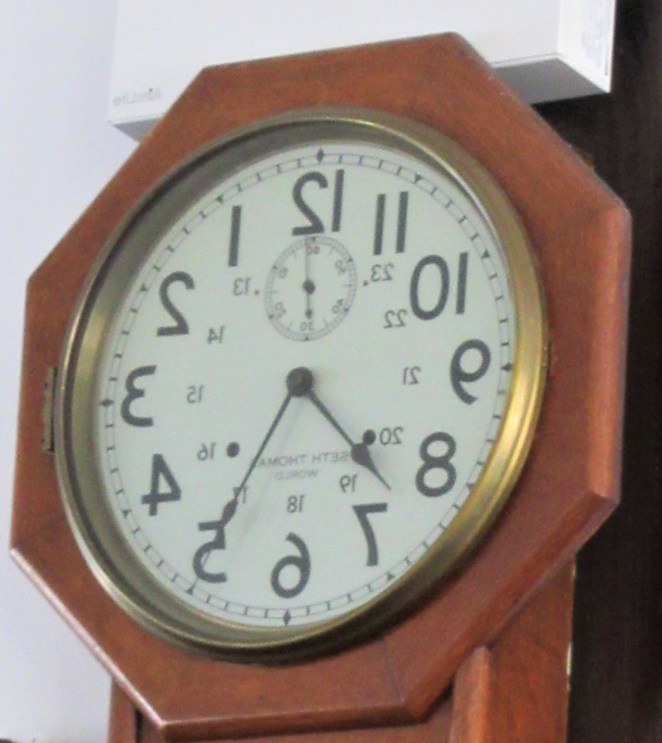
my grandfather clock,
resetting it
in spring and fall?

Who will watch
time’s sharp black arrows
as they point the path
of moon change
and the fleeting hours?

Each hour wounds,
or so they say.
Who will tend me
when that last one kills?

Comment:

Omnia vulnerant, ultima necat. / Each one wounds, the last one kills. That’s how the Romans thought about the collection of hours that make up a day. An interesting way of putting it. In lapidarian fashion. Four words that are worth a whole book of philosophical thought.

What is this thing called time? Good question, and one which is being asked more and more. Clearly time does not flow evenly within the human mind, though it is remarkably regular on the clocks we have invented to mark time for us. And remember, there are many types of time – seasonal time – spring time, summer time, autumn time, winter time. Strange that autumn – or fall as I have now learned to call it – is the only one that doesn’t have the word time attached to it.

And what about time changes – spring forward, fall back – when we change our clocks in order to make the most of daylight hours. A tedious process for many of us. I see some provinces are rejecting those changes and sticking to the same time, all the year round, from season to season. Personally, I would prefer life without those time changes, as would many of my friends.

Celestial time also known as sidereal time – the time as showed by the planets as they seem to march around the earth in the terra-centric universe. Rephrased, the positions of the planets as the earth turns slowly round the sun in the helio-centric universe.

Then there is the personal time of individual experience. An hour watching football or rugby on the tv set passes much more quickly than an hour passed in the doctor’s waiting room or the dentist’s chair. Of course, an hour watching a five day cricket test can also be a slow process, unless England are playing Australia in the Ashes. As one friend of mine commented, a long time ago, “I thought those English cricketers were unfit. But I’ve never seen anyone go out to bat and come back to the pavilion so quickly. They must be super-fit.” Alas, their cricketing problem, as usual, was centered on the three cants – can’t bowl, can’t bat, can’t catch.

En fuga irrevocable huye la hora.
La que el mejor cálculo cuenta
en lectura y lección nos mejora.

Irrevocable is the hour’s flight.
The one that counts the most
in learning or reading improves us.

Francisco de Quevedo
(1580-1645)

And remember – the hours fly by and your time is limited – spend it wisely and enjoy each and every day to the full limits of your abilities.

Rage, Rage 27

Rage, Rage
27

Last night
an east wind blew
outside my window.
It whistled and groaned
as it herded the stars
from left to right.

The stars pursued
the westering moon
and planets danced
to the rhythms
of the accordion playing
music in my chest.

The sky’s planetarium
folded and unfolded
its poker hands
of silent cards
marked with my fate.

Comment:

The photo is of the Hunter moon, as seen from Island View. It is quiet out here, very quiet, with very little light pollution. At night the stars shine bright and the constellations to North and South are clearly visible. Not so much so to East and West where the older trees tower. Occasionally, we get to see the Northern Lights. They can be incredible – great curtains of light hanging from the Northern Horizon. So bright, so clear, you can almost hear them crackle.

I have always loved the image of the planets dancing. If you have followed my poetry you will know that the idea of the Master of the Terracentric Universe, in Platonic and Neo-Platonic Theory, plays a large harp. The planets dance, forwards and backwards, to the sound of that harp. Of course, all that poetic beauty disappeared with the work of Galileo, Kepler, and all the students of the helio-centric universe. It is good to remember it though.

My beloved, born a Leo, loves to follow the progress of the sun. Each day she times its first appearance as it peeps above the ridge. Then she watches for it to arrive on the kitchen walls, and times that too. It is as if we lived as they lived thousands of years ago, in touch with nature, communicating with nature. And yet we are but a ten minute drive from the city centre.

The accordion playing music in my chest – you will have to wait until stanzas 28 & 29 for me to clarify that sound for you. I have been remiss in my postings. Very irregular, like my recently diagnosed A-Fib heart beat. Perhaps, after all, everything is linked, right down to the tiniest details, like posting blog notes and remembering all my e-friends out there. The known and the unknown.

Speaking of the known – Orion is gradually striding his way to the west. He dominates the southern sky at this time of year. He reminds me a lot of the Naked Man of Cerne Abbas. Except the Cerne Abbas man doesn’t move, while Orion definitely does. Or is it us who move around him. Your answer to that question will make you heliocentric – an observer, a measurer, like my beloved. Or it will make you Terracentric – a poet like me, well, an aspiring poet, who prefers the beauty of myth to the cold realities of science. Well, sometimes. Not always. But certainly in terms of my affinities to Plato and his celestial followers.

Carved in Stone 18

18

Day-dreams, cloud castles,
châteaux en Espagne.

I climb the castle tower
in Segovia, and watch
Golden Eagles flying
in the air below me.

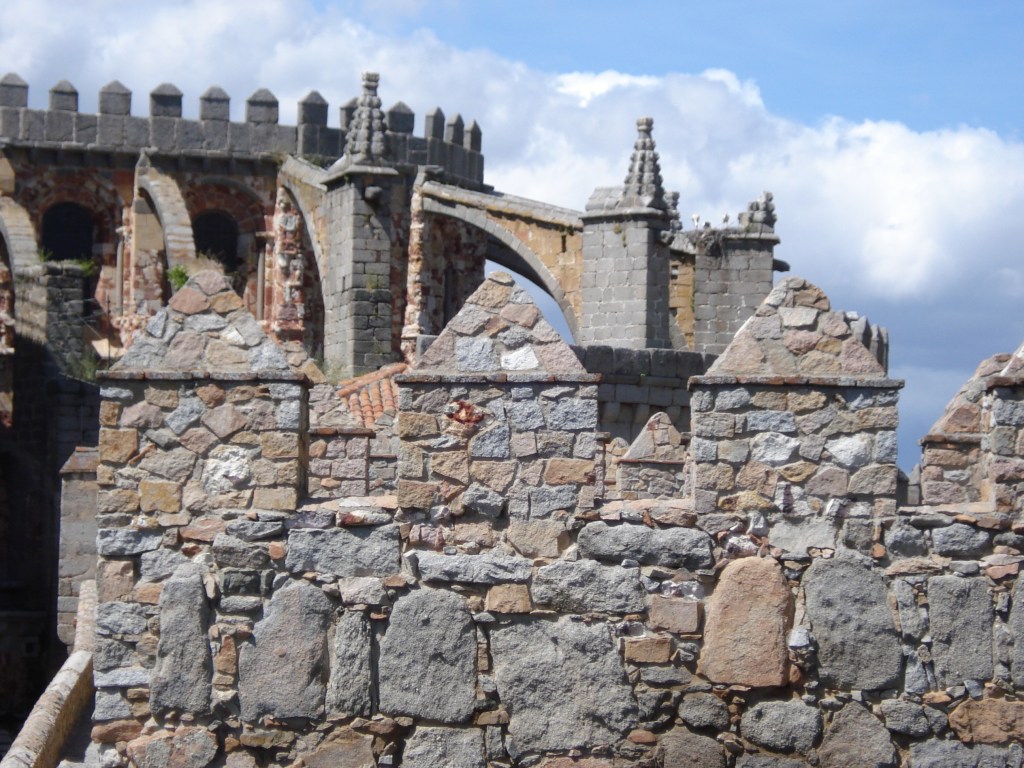
I walk the walls in Avila,
feel the stonework, warm in the sun,
and sense the passing of time
as it slowly gathers,
like clouds in the air
when they foretell a storm.

I trace masonic signatures
on the cathedral’s central façade,
and marvel at the master carvers,
who shaped the statues.


They also created angels
and the praying pay-masters
condemned to kneel there,
seeking forgiveness for their sins,
as flickering candles mark time.

Commentary:

Avila: 3.8 kilometres of walls. 9 entrances. Inside the walls, the old city. I lived for three summers in El Rincon, a Hostal in the city centre just outside the Mercado Chico. I still dream of walking those city streets, visiting the bars each with its different customs and tapas. And I remember the tapas, each bar specializing in something different. The Rincon, a marisqueria, and I learned so much abut sea-food, its transportation, the ways of preparing and cooking it.

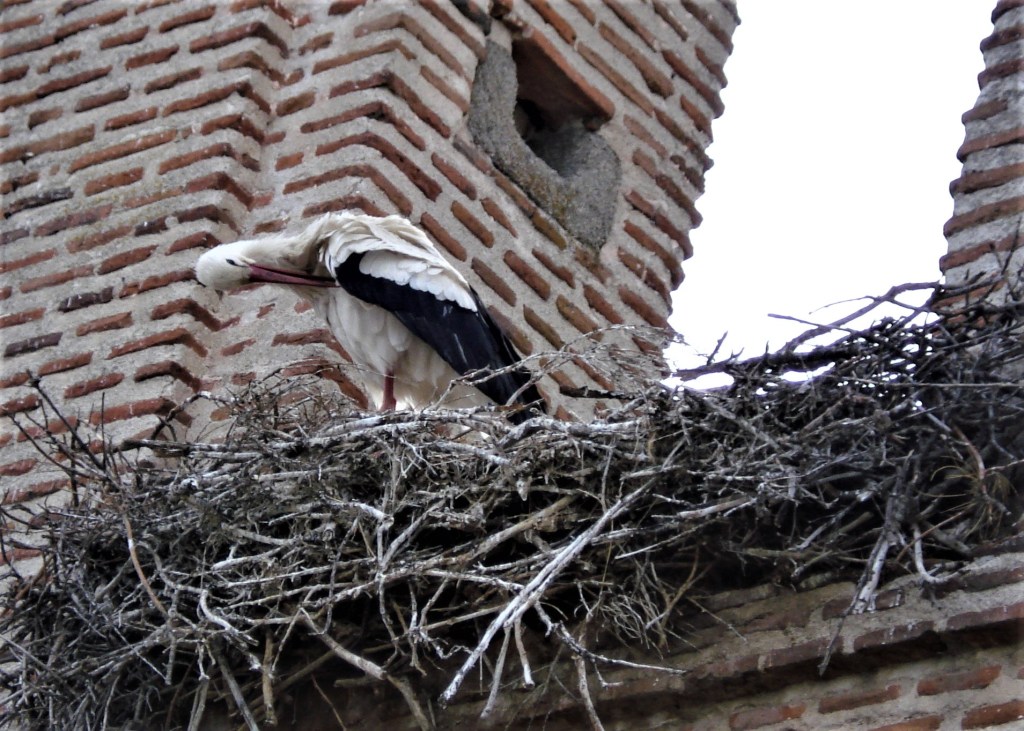
And while in Segovia, you look down at the Golden Eagles, in Avila, an eternity of storks looks down at you. I remember my friend, standing at the door of the Hostal and calling the storks, as they returned from a day in the fields, by the names of the churches in whose towers they built their nests.

I never thought those days would end, but end they did. As all things do. Now I must take a delight in the memories as they walk before me and call me by my name.

Raven

Raven

When Raven flies through his trap door in the sky, a light bulb clicks off in my head and I fall into darkness. Is there some safety net before oblivion? Raven’s claws scar crow’s feet on a fingernail moon. His bleak black beak widens the hole in my head and the Easter egg of my skull shows thin blue cracks. Outside my window, the river moves backwards and forwards with the tide. Raven shrugs at cancerous creatures, promising nothing. He soars into clear skies in search of his private exit and extinguishes sun, moon, and stars, plunging our world into blackness. The light on the point picks out a heron, mobbed by a clacking ring of gulls. The sea mist wraps the real world tight in its cloak. Now sea and lighthouse, heron and gulls, are distant things of memory. Raven, shoulders hunched, stands like a stone, an anthracite block hacked out from the coal seam in my mind, hand carved from feathers and my forefathers’ blood.

Commentary:

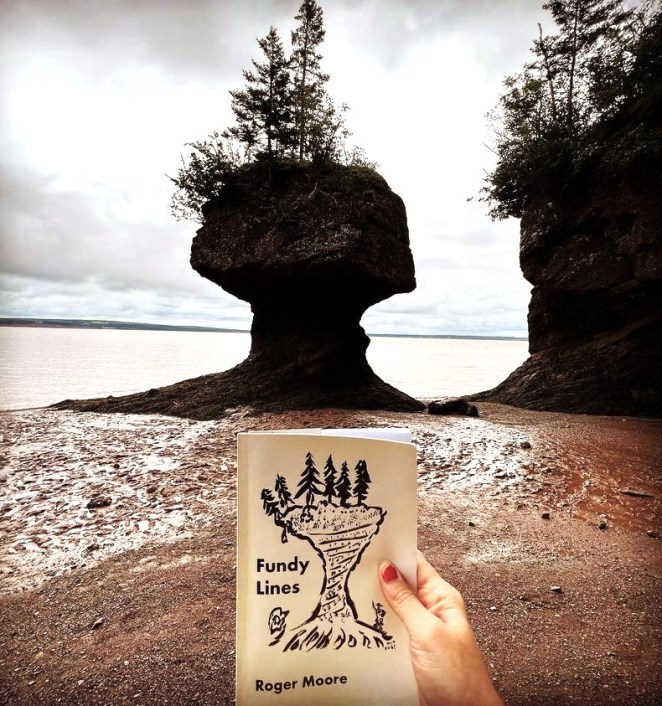
I had forgotten all about this poem in prose. It comes from Fundy Lines, if I remember correctly. Photo credit (below) to one of my former students, an excellent poet herself, who took the trouble to locate the correct rock and then take a photo of book and rock together.


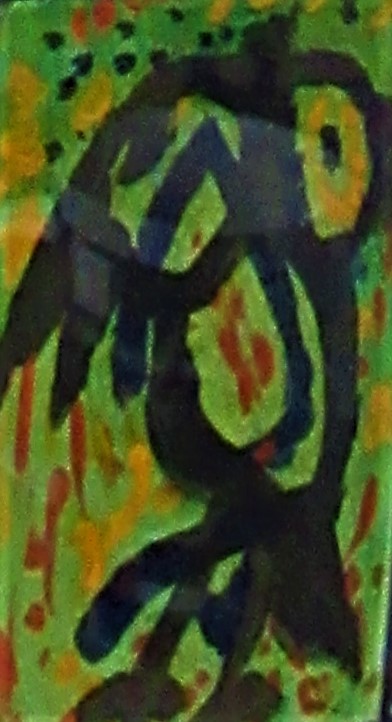
Moo thought his painting of a dark shape that looks a little bit like a bird of ill-omen would be just what this prose poem needed. Maybe he’s right. I trust him with his choice of paintings. Well, most of the time anyway. He can be a bit ‘off’ from time to time, but mostly we form a good team, especially where Surrealism is concerned.

I guess Raven formed part of my Surreal sequences. I really do enjoy Surrealism. The mixing of metaphors, for example, the unexpected meeting of a sewing machine with a carving knife and an umbrella on an operating table. And look what Raven’s up to. He discovers a trap door in the sky. Well, that would be very useful, if we had wings and could fly. Then he turns off the light bulb in my head. I didn’t even know I had one in there. I guess Raven, like coyote and zopilote is a bit of a Trickster. Next he changes into a woodpecker and widens the hole in my skull. Poor old me – avian trepanning – no wonder I have problems! My head becomes an Easter Egg and has cracks in it giving birth to what? Some mad ideas, I guess, pecking their way out into the wonderful world in which Moo and I live in perfect harmony with my beloved and our cat. And look at all those Welsh mining memories – lignite, house coal, steam coal, anthracite, jet – and remember, when the coal comes from the Rhondda down the Merthyr – Taff Vale line, I’ll be there.

It will be a long way from Canada to Taff’s Well. Maybe Raven will be kind and fly me there, through his Island View trap door that has direct access to the trap door just above Castell Coch, the Fairy Castle of my childhood. That would be faster, and easier, than my old two-wheeler Raleigh bicycle with it’s Sturmey-Archer three gear click on the handlebars. I bet Raven can fly faster than I can pedal. And if I could have pedaled as fast as Raven flies, downhill and uphill, I would have been King of the Mountains and an all time winner of the Tour de France. Now that would have been surrealistically surreal, seeing me as a cereal winner, with my snap, crackle, and pop! Not that my dad would have been happy. He never was happy with anything I did!

How has technology changed your job?

Daily writing prompt
How has technology changed your job?

How has technology changed your job?

I suppose I must begin by saying that, having retired fifteen years ago, I no longer have a job. So, Technology has not changed my job at all. However, when I was actually working full time, technology made an enormous impact on my work.

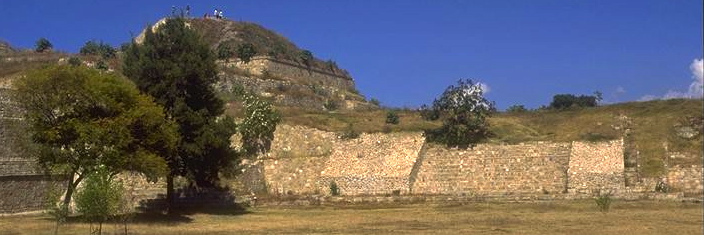
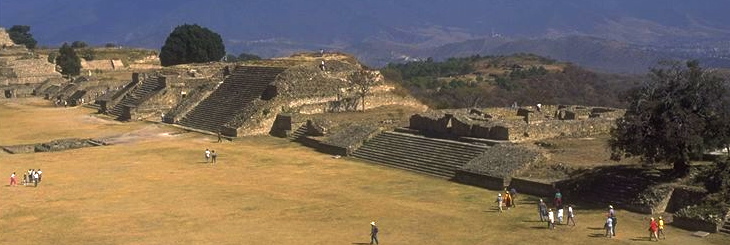
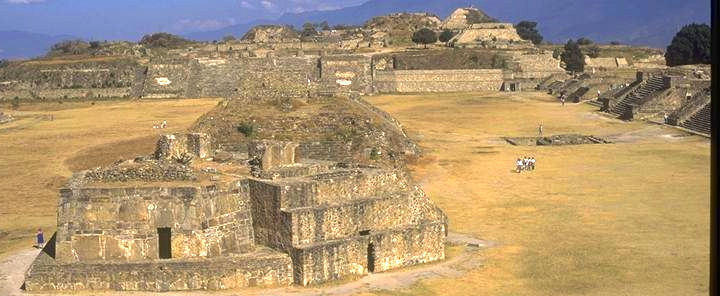
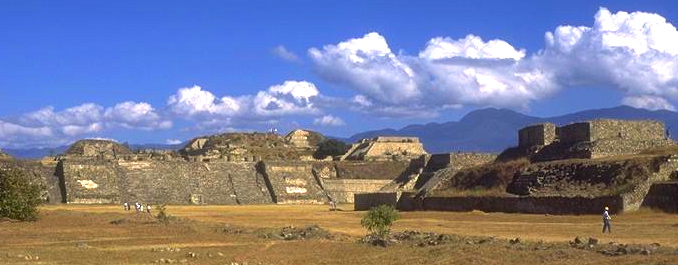
Keeping up with the Jones’s! I travelled to Oaxaca, Mexico, on a faculty exchange program in 1995 and was astonished to find that the Escuela de Idiomas of UABJO, had better computer and technology features than I did in my home university. I was way behind the Oaxacans in what I taught and how to deliver it. How to catch up, that was the question!

In 1996, I started a Multi-Media Certificate at the University of New Brunswick, completing it in 1999. As a result of this certificate, my beloved and I built our first web pages and produced our first Quevedo Online Bibliography. This also enabled me to start teaching a course entitled Mexico Online. This course took place in the university’s computer laboratory and, instead of requiring written papers, it asked the students to create their own web pages and to do their own online research.

This was the first step into the brave new world of WebCT, Blackboard, and the many other web platforms that rapidly became available, often at great cost to the student. Student costs – well, they skyrocketed. So, I did my best to cut them down. Texts, especially literary texts, in online format, for free. A formal course outline, online, discussed with the students each term, and changed in accordance with each class’s particular needs. This guaranteed that teaching and learning were both flexible, and did not become bogged down by the trap of the one course, set “in electronic stone” for all eternity. This is a trap into which far too many teachers fall. The everlasting course, as it was in the beginning, is now, and ever shall be, taught without further changes and with no end, amen. No thought, no development, and knowledge a static state.

But technology also changed the teaching environment. We began with the static classroom with rows and rows of desks looking down on the stage where the professors, at the podium, performed their annual circus acts of passing knowledge from their notes to the students’ notes, without it passing through anybody’s head, as my first prof in my first university once told the class.

Then we moved to the chairs and tables classroom, where the professors could, if they chose, wander among the students, get to know them by their names, and create a dynamic small group teaching environment in which each individual received increased professorial attention if and when needed.

Enter Technology. The Computer screen replaced the black, green, white board (I have scrawled with chalk and marker pens on all of them). Classrooms became fixed spaces again. And the computer program doubled with, or replaced, the formal lecture. Static knowledge delivered to stationary students sitting and passively watching.

They were called smart classrooms. My favorite moment of the day? When I stood up and asked the class if this was indeed a smart classroom. Yes sir, they always replied. I would tap on the wall and ask the wall – “What’s two plus two?” The class would wait and wait. No answer. I would ask again. No answer. “Not such a smart classroom, then,” I would tell them.

Technology is great, as a tool for genuine teaching and learning. But it brings problems with it, as we are beginning to find out. Brainwashing, false information, erroneous material that misleads, quite often deliberately … Quis custodiet ipsos custodies? Who shall police the police? Who shall program the programmers? Perhaps the Romans, all that time ago, had it right. Caveat emptor – buyer beware.

What could you do less of?

Daily writing prompt
What could you do less of?

What could you do less of?
I shall deliberately misinterpret that prompt / question and answer it my way. I could do less of listening to stupid adverts, repeated ad nauseam, sometimes with gimmicky tunes – one to two lines maximum – again and again, all day, every day. Surf the channels to escape an ad, and what do you get? A synchronized set up where almost every channel is blasting out the same, or similar, ads at the same time. Have you noticed that when you leave the TV room, and retreat to the kitchen to get some limited peace, the ads follow you because the volume is turned up at ad time so you just can’t escape.

I remember my grandfather, back in the sixties, with the advent of ITV in Wales – the Independent TV channel that used ads – sitting before the TV set, his foot up before the screen and his fingers in his ears so he would not be able to see or hear those ads. Alas, once heard, seldom forgotten, and I can still sing most of those meaningless jingles heard back in my childhood. How it I hate when I go shopping in the supermarket and shoppers tunelessly whistle a TV ad as they shuffle along behind their carts. Alas, ad free programming, all too often, is either expensive or non-existent.

And what about those telephone calls when they put you on hold until the next agent is free to attend to you? I won’t mention names, because I don’t want to get sued, but I guess we have all had the same experience. I had a ninety minute online wait one day, with horrible music, an exhortation to stay on the line so I wouldn’t lose my place in the queue aka line-up, and a 90 second ad that glorified the joys of the company’s product, repeated once every five minutes. I suffered through that ad 18 times on that one call alone. Another local firm gave me the similar treatment, except that it was a one minute ad, repeated once every ninety seconds. I suffered through 10 repetitions in a wait of 15 minutes, got fed up, and hung up the phone.

Look at the peaceful scene above. That’s the view from my bedroom window in Island View. Even the crows are absent, and the early morning silence, like the sun, is golden. Two birds with one stone – a morning person or an evening person? A morning person with dawns like this, but an evening person when a sunset like this one miraculously occurs.

Do you ever see wild animals?

Daily writing prompt
Do you ever see wild animals?

Do you ever see wild animals?

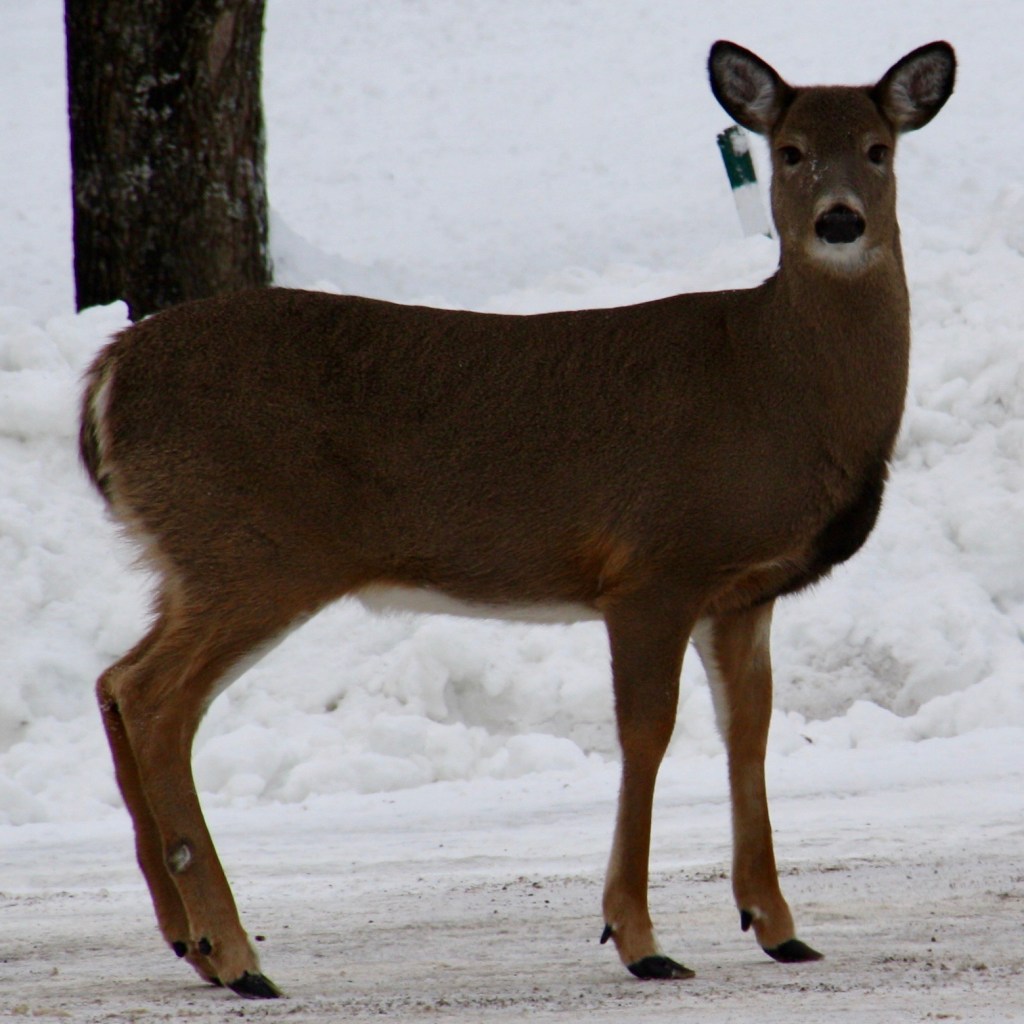
Indeed I do. And sometimes, just like this Wapiti, or White-Tailed deer, they see me as well. Some are camera shy. But this one, caught one morning walking past my garage door, heard the click of the first camera shot, stopped, turned towards the sound, then kindly waited until I had shot him, in the only way I would ever shoot a wild animal, with my camera. Isn’t he a handsome fellow – very photogenic.

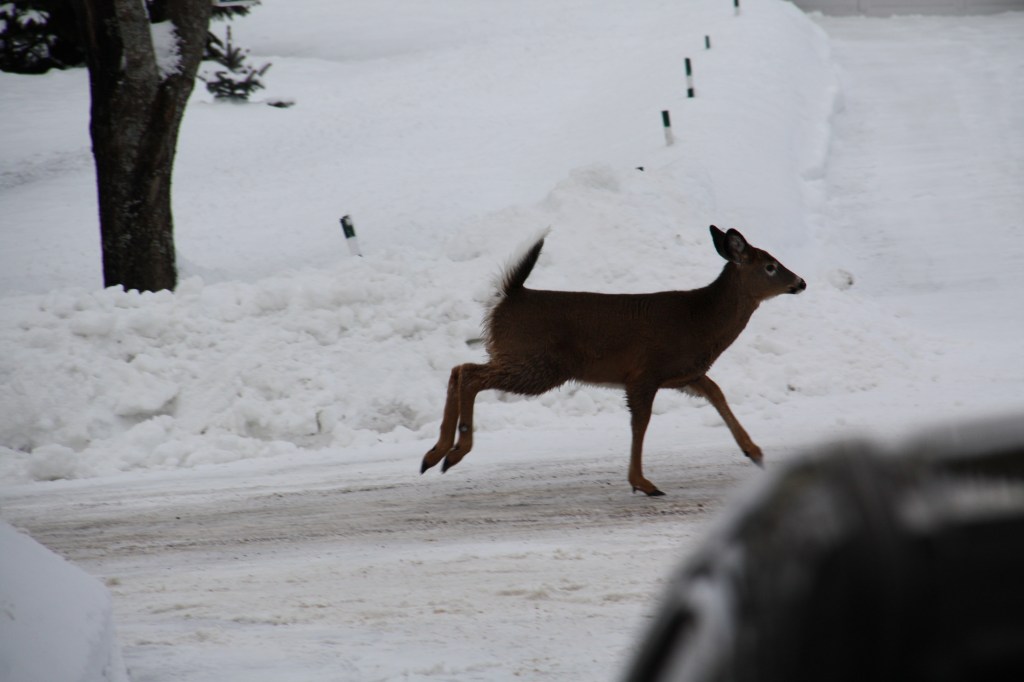
Some of the animals that pass through our yard do not seem that wild. This one lay down for a little rest about forty feet from the house. Early morning light, not easy to shoot, but he sat there and waited for me. Alas, I was using a camera with a laser focus and the red flash of the light disturbed him. I didn’t mean to do so. Whoops – there he goes, tail-up and now you know what they mean when they say ‘high-tailing it’ out of the woods and up the road.

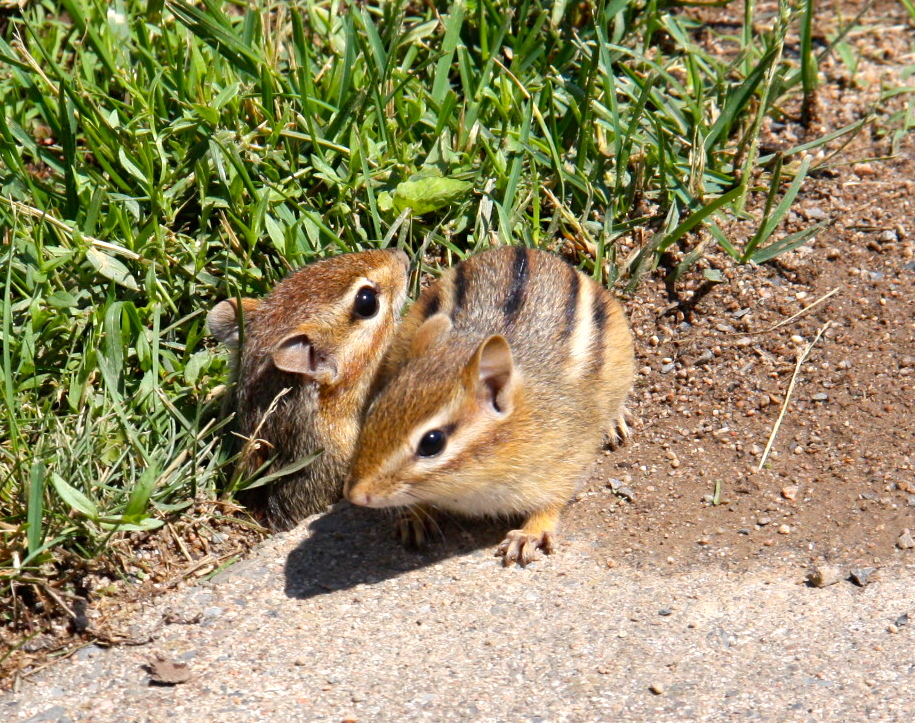
And what about the chipmunks, and the squirrels, and the skunks, and the raccoons, and the jack-rabbits, and the porcupines? They all drop in from time to time. Look at this happy couple. Aw! Aren’t they sweet?

And don’t forget the birds – but give us another prompt – all about our feathered friends -and we’ll talk about them next time