In Praise of The Other

In Praise of the Other

I have lived with the Other.
He treated me well.

To him I was the Other,
yet he fed me when I hungered,
gave water when I ran dry.

I fell ill and he cared for me,
nursed me back to health.

He taught me his language,
culture, history, and skills.

He loved me, never forced me
to forget myself and become
something I could never be.

He made me what I am today:
a believer in humanity,
not man’s inhumanity to man.

Commentary:

Words for a divided world where man’s inhumanity to man sometimes seems to over-ride man’s humanity. Sometimes I am afraid to publish poems like these. Self-censorship is the worst form of censorship because it bottles things up until they rot inside you. Somebody has to speak out. Somebody has to stand up. So many, myself included, are afraid to do so.

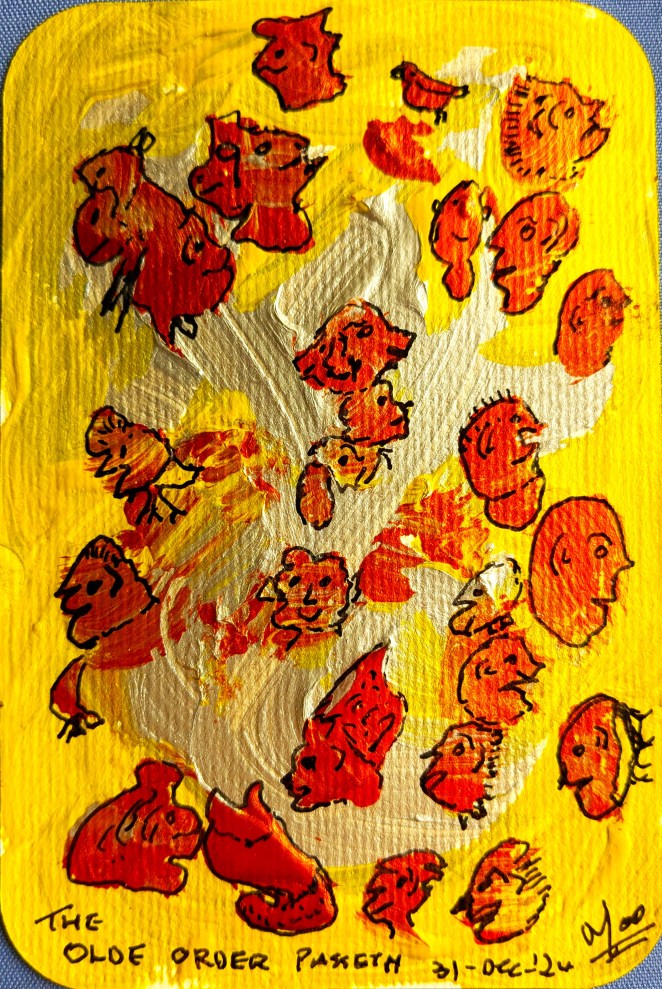
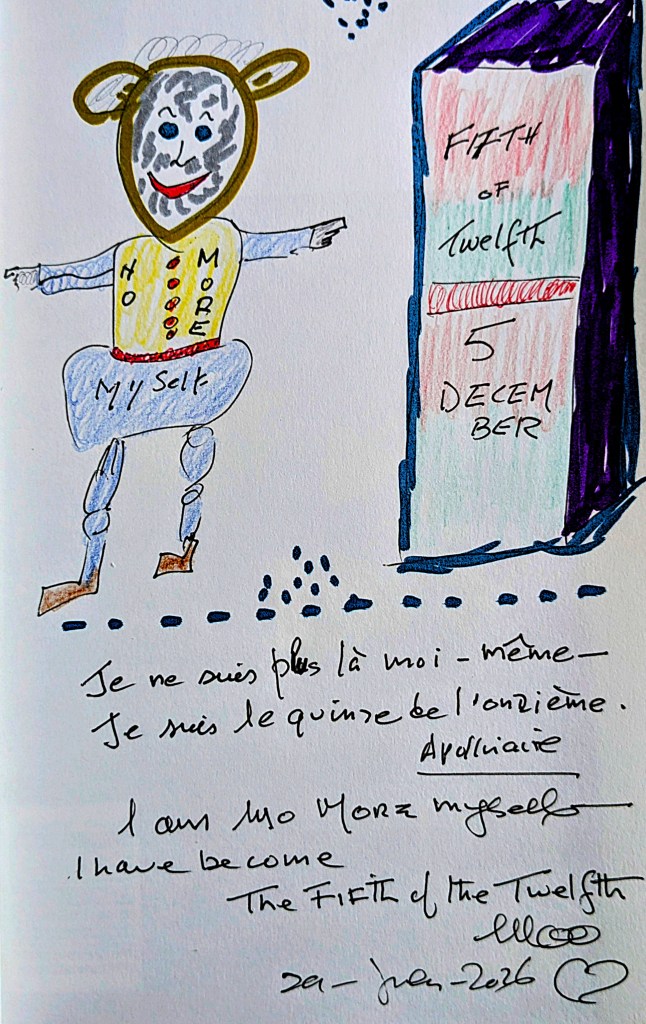
Moo asked me to use his painting for this one. “Yours,” he told me, “is a cri de coeur, a cry from the heart. It must be heard. I’ll stand by you, side by side, and support you with this painting. It’s a Golden Oldie, but it’s good.”

I turned to thank Moo, but when I looked, he had gone. So much for shoulder to shoulder and side by side. Never mind. The poem’s not mine really. It belongs to others, many others. The start is from the Bible – The Good Samaritan. The ending is from Robbie Burns, changed slightly. There – now I have people who will stand beside me and echo my cri de coeur. And wow, look, here’s Moo, back again.

Wonderful. Now we can stand together. Should to shoulder. Side by Side. With no walls to divide us (Billy Bragg).

No, Moo. Sorry. I don’t have twenty dollars to lend you. Oh dear. There he goes again. Once more I am the monarch of all I survey and shoulder to shoulder with Alexander Selkirk I ask that other question – “Oh solitude, where are thy charms?” He ought to know if anyone did for he too made his cri de coeur from another horrible place.

Neighbors

Neighbors

lights in the new house
we haven’t met them yet
we’ve seen them clearing the lot
digging basement and well
setting up the tile field

children playing riding bikes
bouncing on a trampoline
swinging on swings
their shrill voices breaking
the brooding silence of trees

sooner or later we’ll meet
it will be neat to put names
to faces and decipher
the stick shadows seen
in the distance shifting
dancing changing shape

a new generation of hope
turned into neighbors

Commentary:

“The olde order changeth, lest one good custom should corrupt the world.” Idylls of the King – Tennyson.

We have been here in this house for 37 years. We planted trees, and watched them grow. We watched lots being sold, developed, turned into houses. Many of those who were here when we arrived downsized, moved away, or in some cases, simply passed away and died.

We have seen families move in, and then move on. Some became very good friends, and we miss them dearly. Others were mere nodding acquaintances. Some spoke our language, others didn’t. We met many of them and their children at Hallowe’en until Covid arrived and spooked even the spooks. As an event, it ghosted out of our lives.

Soon it will be our turn to move. Our house will belong to somebody else. Our house? We are restless souls inhabiting a changing planet. We own nothing. We merely borrow, use, and pass it on to someone else who, in their own turn, will eventually pass it on.

So – what exactly do I own? What do I control? Only this single moment of time, this tiny particle of time when I raise my fingers, choose which keys I will type and in what order. And sometimes, even that is incorect / incorrect, for i / I make misteaks / mistakes, fale / fail to corekt / correct them, place the wrng wrong finger on the wrong key. A single slip of the finger – a bright red button – sometimes I wonder how it will all end.

The Dancers and the Dance

IMG0041_1.jpg

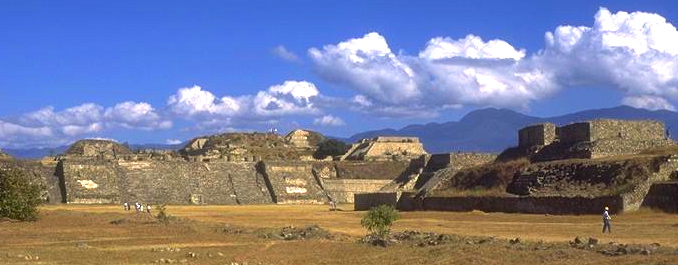
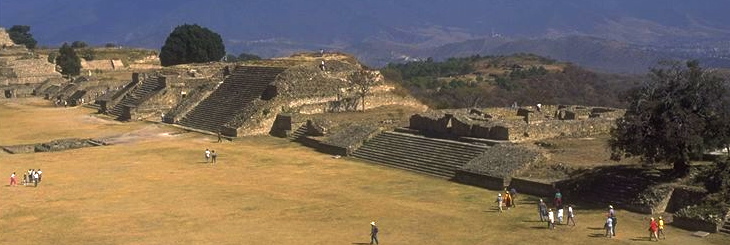
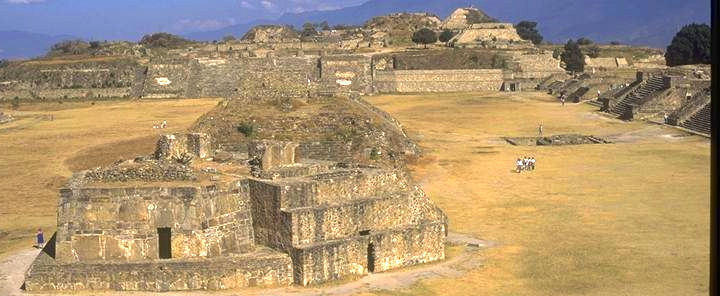
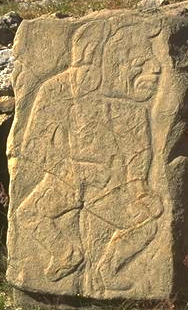
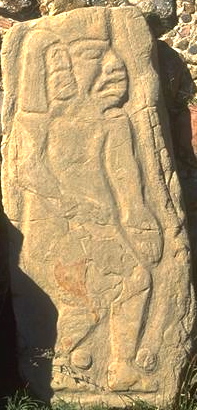
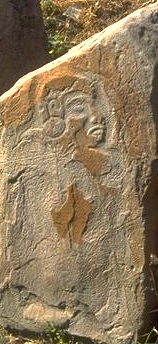
My poem, The Dancers and the Dance, refers both to the danzantes and to Monte Albán. Monte Albán was the capital of the Zapotecs and the principal city in the Oaxaca Valley (Mexico) between its foundation in approximately 500 BCE and its abandonment in approximately 750 CE. The White Mountain, thus named by the Spanish conquistadores, is justly famous for its temples, its tombs, and its carvings.

IMG0013_1

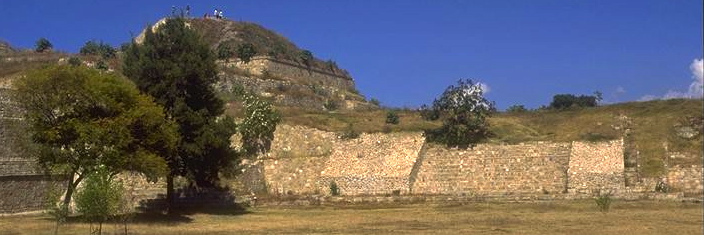
Two natural phenomena affected Monte Albán and its population. The first was drought and the dried earth with its brown and yellow tinges is clearly visible in these photos. The second natural problem came from earthquakes, for this is indeed an earthquake zone with active volcanoes causing tremors at regular intervals. The temples, even today, sometimes need repairing as earthquakes have been known to destroy even the reconstructed temples.

IMG0034_1.jpg
IMG0035_1.jpg

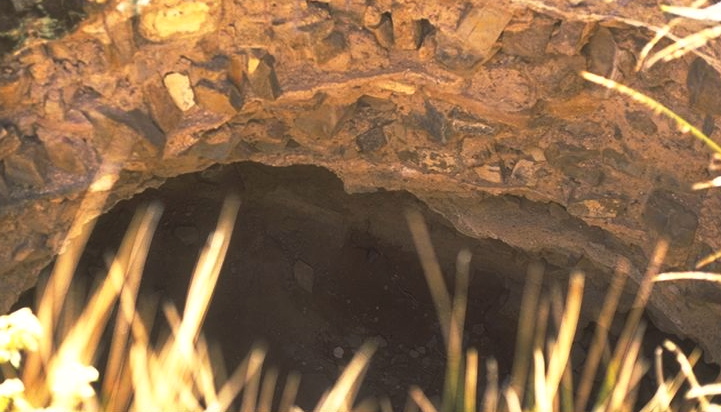
In fact, the abandonment of Monte Albán may well have been caused by an earthquake that cracked the enormous natural cistern in which the population’s water supply was stored.

IMG0031_1.jpg

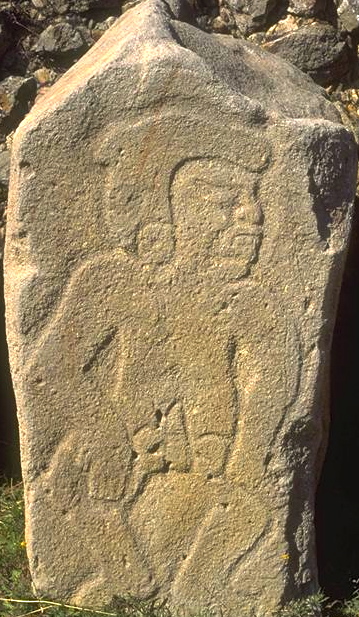
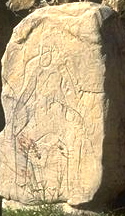
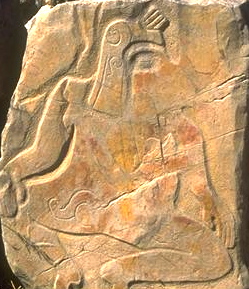
The Danzantes are strange, grimacing characters that have been carved into prisons of stone. They may be captured warriors awaiting sacrifice or the chieftains of conquered tribes humiliated, perhaps tortured, and then flash frozen into stone photographs where for centuries they have danced out their torment. Whoever and whatever they may be, they still dance on  Monte Albán.

My poem, The Dancers and the Dance, captures a different form of dancing. It is taken from my book Sun and Moon: Poems from Oaxaca (2000) and contains echoes of the vibrant folkloric culture that thrives to this day both in the city of Oaxaca and in the Oaxaca Valley. Here, traditions are remembered and relived. Each year, on the Day of the Dead, for example, families place food and drink alongside photos of the dearly departed on altars inside their houses and their doors are thrown open to welcome their deceased family members as they return along the marigold paths that lead to their former homes.

The Dancer and the Dance

1

she comes here to dance for me
only for me does she dress this way
 she shows me her dreams
unfolding them one by one
silk and cotton garments
drawn fresh from her scented closet
thin copper bracelets
carved wooden mask
 only her eyes reveal
subversive flesh and blood

 2

she orchestrates her story
skin drum
rattle of seeds in a sun-dried pod
single violin string
stretched across an armadillo’s shell
 I too am tense like an instrument
waiting to be played
 the bones of my love
reach out towards her

3

when she makes her music
familiar spirits return to the earth
dancing in a sash of moonlight
 she recreates an ancient spell
gold letters plucked from dark scrolls
no wands no words
just water’s purity
flicked fresh
across lips and face
 she binds me with the string of notes
she undoes with her hair
our bodies form an open altar
we worship with mysterious offerings
drawn from wells set deep within us

4

Rain falls from the sky
Moon turns his face away
suddenly in darkened alleys
clouds hold hands and dance
dense streamers of light
dangle from street lamps
shadows remember their forgotten steps
gently she draws me to her
I try to follow
frail whirlpools of withered leaves
fragment weak sunshine
in light’s watery pool

 5

her magic grows
I take my first step
an unmapped journey
into desert space
we move to old rhythms
across moon flecked clouds
raindrops fall more slowly
faltering drum beat
diminishing water

6

high above us
the ghost of a melody
shaking its head
wringing its hands
 we return at last
to light and air
the moon’s vacant face
scowls in an empty field
someone has plucked the stars
one by one
and threaded them like a chain of daisies
 now there are no sky flowers
to adorn the night

7

noche de rábanos
someone has taken a knife
and peeled an enormous radish
this cartoon moon face
this full skull hanging from nothing
this lantern lighting from above
 now my lover sculpts time
and space
into small chunks
 each sacrifice
a jewel between her fingers
 I pin to my chest
three small notes
and a skeleton of words

8

inside my dancing head
the fires have gone out
 without her hands to guide me
my feet have turned clumsy
 scars layer my wrists and ankles
star crossed bindings
cutting against the grain
 I gather a harvest of stars
she holds them in her eyes
 her fingers are grasshoppers
making love in my hair
when she kisses my fingernails
one by one
we both know our bodies
will never be the same

9

together we weave a slender cage
she cuts out my heart with her tongue
placing it on an altar inside the bars
she locks the tiny door
a silvery key wrought from moonstone
 my fluttering heart grows miniature wings
next time the door is opened
my wings will fly me to her lips
my heart is a caged bird on a tiny perch
it chirrups a love song
its image in the mirror answers back
breathless it scrapes its wings on the moon
its body striving upwards to the stars

10

on Monte Albán the danzantes
sway to soft music
their shadows dance in and on stone
as they have danced for centuries
wind rustles the grass
moon casts sharp shapes
darkness ascends the temple steps
huge fingers grasping upwards
an owl’s feathers clutching at the skies
at dawn tomorrow
the sun will rise beneath our feet
we will squint down on its majesty
we will pluck the ripeness of its orange
in our outstretched hands

11

our last night together
I pluck a blossom from the tulipán tree
a final offering of my love
 she gives it back
I place it in the pocket of flesh
where I once kept my heart
 tomorrow when the flower breaks
it will stain my shirt
a damp splash of blood
no longer running in my veins
 the scent of our happiness
will cling forever to my fingers

Runaway

Runaway

I waited until the boys
in the dormitory slept.
snores, whimpers, children
snuffling, crying in their sleep.

I dressed in the dark,
crept downstairs, opened
the school’s back door,
moved silently to the gates,
and climbed over them.

I stood at the roadside,
stuck out my thumb
at the cars that passed,
not many at one AM.

A cloudless night,
bright stars, dark sky.
A sense of imminent freedom
washed over me.

The fourth car stopped.
A man and a woman.
They opened the door,
let me in, turned around,
and drove me back to school.

I stood in the hall watching
the swing of the pendulum
as the head master, in pajamas,
thanked the couple
for bringing me back to school.

That night, he led me quietly
back to bed. Every night,
for a week, he removed
my clothes from the chair
beside my bed.

I ran away again and again.
No matter where I went
my own face stared
back at me from the mirror.

One day, I realized
I was running from myself.
When that happened,
the running finally stopped,
and I confronted my demons.

Comment:

I guess we are all motivated by flight or fight and I have always believed in the powers of flight – per ardua ad astrathrough hardship to the stars, the motto of the Royal Air Force, I believe. Yet running really does no good, especially when we are running from our own interior demons. I hated that particular boarding school, my second, even more than I did my first one. I hated it with a deeply rooted inner loathing that still seethes inside me when I think about it. And that particular ‘first escape’ remains printed indelibly on my mid, every footstep, every floor board that creaked, every shadow that threatened.

Much later in life, while attending my fourth boarding school, one of the slightly better ones, with a strong emphasis on the slightly, my cousin, an unarmed combat instructor, took me in hand. For three weeks we went to Swansea Sands and he put me through basic training. How to break fall, to leg throw, to arm throw. Then he taught me the sacrifice throws, where you go to ground and your opponent follows, you prepared, your opponent not. He taught me about power points and the pointed or sharp edged bones that could do so much damage to the unprepared. He taught me all the multiple choke holds, how to apply them and then the secret of squirming out of them. Monday – Friday, four hours a day, total immersion, three weeks. I learned so much.

After that, I had the choice of flight or fight. However, I no longer saw myself as a victim because I saw those bullies and predators as potential victims. All the vibes had changed. Older, bigger boys no longer bullied me. Everything, in the end, turned out all right!

Inquisitor

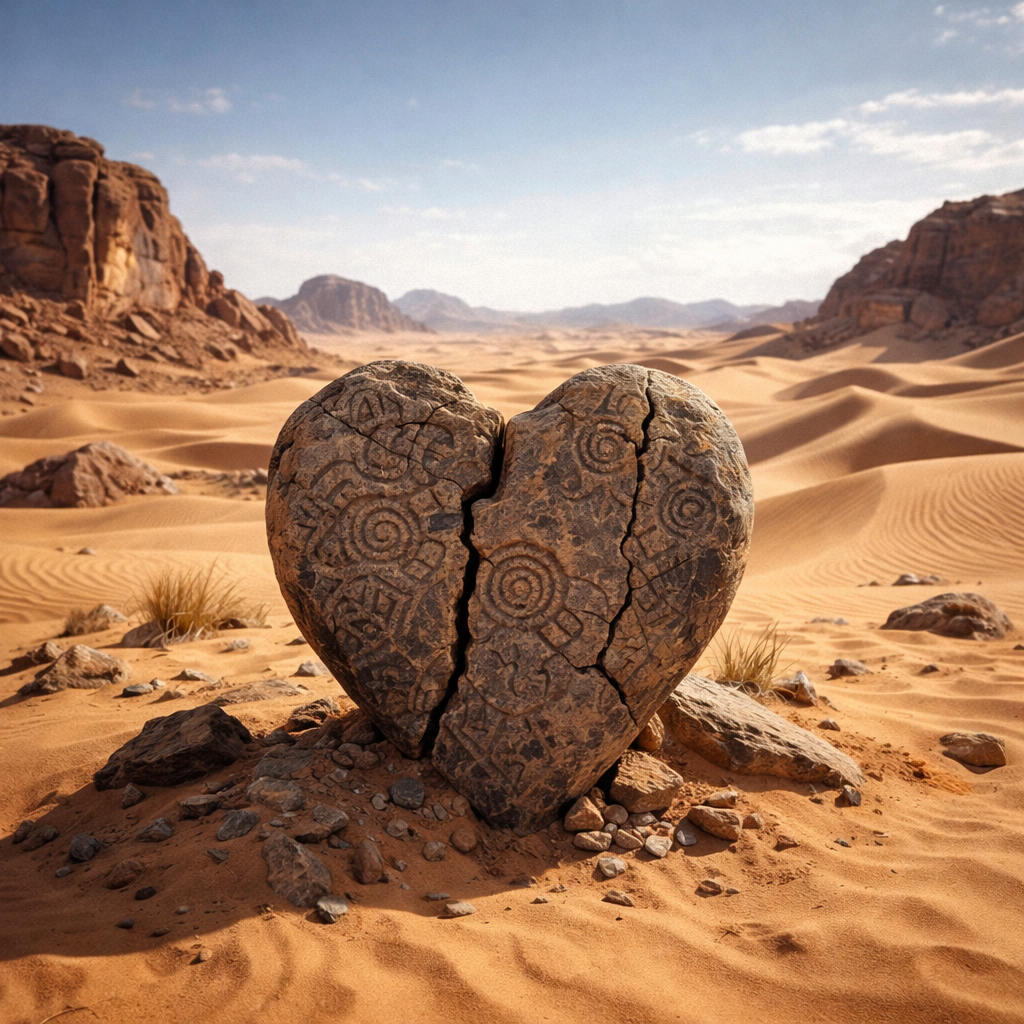
Cracked heart-shaped rock with ancient carvings in a sandy desert
A cracked heart-shaped stone with carvings lies cracked in a desert landscape.

Inquisitor

He told me to read,
and plucked my left eye from its orbit;
he slashed the glowing globe of the other.
Knowledge leaked out: loose threads dangling,
the reverse side of a tapestry.

He told me to speak,
and squeezed dry dust between my teeth.
I spouted a diet of Catechism and Confession.

He emptied my mind of poetry and history.
He destroyed the myths of my people.
He filled me with fantasies from a far off land.
I live in a desert where people die of thirst,
yet he talked to me of a man walking on water.

On all sides, as stubborn as stucco,
the prison walls listened, and learned.

I counted the years with feeble scratches:
one, four, two, three;
for an hour, each day, the sun shone on my face;
for an hour, at night, the moon kept me company.
Broken worlds lay shattered inside me.
Dust gathered in my people’s ancient dictionary.

My heart was a weathered stone
withering within my chest.
It longed for the witch doctor’s magic,
for the healing slash of wind and rain.

The Inquisitor told me to write down our history:
I wrote how his church had come to save us.

Rage, Rage 32 & 33

Rage, Rage
32


I miss
the swish and roar
of my incoming,
outgoing breath.

I miss
those Full Moon fingers
tinkling the tides
of my inner being,
making me strive
to keep myself alive.

My body’s house,
devoid of gnomes,
wolves, and pipes,
lies vacant and silent.

The full moon’s
rampant skull
empties the sky of stars
and fills my mind
with cratered shadows.

33

Strange creatures hide in the mist
that overcomes my brain.
I see the sudden flash
of sharp, lusting midnight teeth,

My heart turns into
a time bomb ticking
its irregular beat
in the cavity of my chest.

Am I a victim, then,
as Camus suggests,
or just another assassin?

A suicide bomber, perhaps,
with explosives strapped
inside my rib-cage
rather than round my chest
in a hidden vest?

Tick-a-tock
and tickety-tick-tock,
I can hear and feel
the arrhythmic clock
alarming me
as it arms itself in my chest.”Tick-a-tock
and tickety-tick-tock,
I can hear and feel
the arrhythmic clock
alarming me
as it arms itself in my chest.”

Comment:

So, Moo has just come back from wherever he’s been and wherever it was, he’s not telling me. However, he does say that I look All Shook Up. And he’s humming Elvis Presley songs at me. And the above painting is his suggestion for me for today. “Thank you, Moo. And welcome back.” He nods at me. “Good to see you two,” he says. “You spelt that wrong,” I tell him. “I didn’t,” he says. “We all know you’re a split personality and I am saying that I am pleased to see both halves of you again.” Oh, dear, you can never win with Moo. He always paints a different angle or comes round in a wiggling circle. “Ha!” he says. “At least I don’t paint myself into corners.”

Am I a victim, then, as Camus suggests, or just another assassin? Interesting suggestion. We are either murderers or victims. But I haven’t murdered anyone, that I am aware of. And I don’t feel myself to be a victim. So what is my dear friend Albert on about? Alas, he isn’t around to ask. I just have to read his books and see myself left wondering.

I guess it was all different in Paris, in the 1940, during the Nazi occupation. Anyone can talk a good game, but what do you do when the Gestapo knock on your door at 2:00 am? Good question. Existence precedes essence. We live. We survive. That’s Jean-Paul Sartre. And so is this – “L’homme n’est rien d’autre que ce qu’il fait.” Man is no more than what he does. So there you have it. It’s never what you say you might do, or how you relate things in respect – it’s all about what you are doing right now. So – ask yourself that vital question – “What am I actually doing?” The answer you give will tell you a lot of things about yourself – if you are honest in what you say.

Wild Life

Wild Life

I see green grass
Small ponds
Winding roads
Patches of sorrow

Turquoise blues 
Hills to climb
Softness
Strength 

Flowers blooming
A small animal
Covered in feathers 

An eye
Keeping watch
Purity of white

Ekphrastic Poem
©
Yolande Essiembre

Comment:

My good friend Yolande Essiembre sent me her Ekphrastic poem after viewing this morning’s painting by Moo. Wild Life II is a better representation of the colours of the original. However, Moo added in some (what he calls!) helpful touches – the black shapes that reinforce the suggestions of the original. Yolande wrote her poem based on Version I – but with the stronger colors of version II. Magic oh what a tangled web we weave when first we practice to deceive. And all artists weave their webs of deceit. As Cervantes says – Tanto la mentira es mejor, cuanto más parece verdadera. / The closer it approaches the truth, the better the lie.

Imitatioimitation – one of the bedrocks of classical rhetoric. “Imitation is the best form of flattery”. Flattery, yes, but what we find, in art above all, is that there exists only one original. However good the copy, the flattery – the imitation, if you prefer – it is never as good as the original. The original of this painting exists in one time and one place. The two deceptions are not the original. In fact, Wild Life I no longer exists because Moo has repainted it. It has turned into Wild Life II.

So many questions – which version do you prefer – I or II? De gustibus non est disputandum. There is no arguing about taste. Which is the better version? Well, each viewer must choose. But remember, each version is a deception, and each deception is a lie. And there is only one original. Oh what a tangled web we weave.

But we can, I hope, agree on one thing – Yolande’s verbal version (which I publish here with her permission) is verbally picture perfect. It is how she sees the painting. It is what the painting means to her.

Thank you so much Yolande. Moo and I hope to publish your words and visions more often. With your permission. we will do so.


Carved in Stone 70 & 71

Carved in Stone
70

Where can I survive
in this harsh world
where poetry and ideas
struggle to be free,
a world in which
the great literary myths
have been destroyed?

Where mass media rules,
sensationalizes, lies,
falsifies the power and glory
of words, now used
not to delight and educate,
but to manipulate.

A treacherous world
in which an evil genius rules
and constantly misleads us.

71

An Age, not of Enlightenment,
but of Endarkenment,
this is not the world
in which I want to live.

My chosen world
is that quiet corner,
outside El Rincón
in the Plaza Zurraquín,
by the Mercado Chico,
in Ávila, Spain,
where leaves and confetti
dance to the wind’s tune.

A world of mystery and dream,
personal perhaps,
but well known to
all of those dreamers
who have the eyes to see
and the heart to stand still
and listen.

Commentary:

“There is no earth, no heaven, no extended body, no magnitude, no place and that nonetheless I perceive these things and they seem good to me. And this is the most harrowing possibility of all, that our world is commanded by a deity who deceives humanity and we cannot avoid being misled for there may be systematic deception and then all is lost. And even the most reliable information is dubious, for we may be faced with an evil genius who is deceiving us and then there can be no reassurance in the foundations of our knowledge.” René Descartes (1596-1650).

Cervantes wrote about such times in Don Quixote. Do we see what others see? What is truth and what is fiction? How do we approach and understand authority? What do we believe and why do we believe? Are they windmills or giants, wineskins or warriors, a flock of sheep or an invading army? “Only believe, and thou shalt see” – but what do we believe and why do we believe. “The fault, dear Brutus, lies in ourselves, not in the stars, that we are underlings,” Shakespeare, from one of his many plays.

Carved in Stone 67 & 68

Carved in Stone
67

At night, on the cool
sea-shore of my dreams,
the calls of shore-birds
at Ste. Luce-sur-Mer
are borne on the wind.

High-pitched, they are,
like the voices of children,
or of men and women,
in distress.

I walk on the sand
at low tide and a lone gull
flies past my head,
battering itself
against the wind’s cage
with outraged, sturdy wings.

68

Sunset.
Sea mists descend.
The church on the headland
steps in and out of darkness.

Shadows gather, persistent.
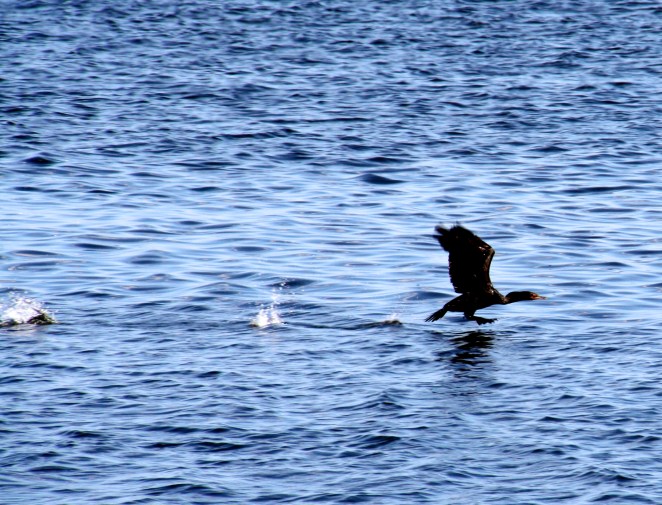
Gulls surround a lone heron.
It clacks its beak in anger
forcing the gulls to scatter.

These words are not my words.

They came to me in the speech
of birds hidden in the foliage,
or carried on a feathered plume
sprung from the osprey’s wing.

Some came from the click
of the crab’s claw as he dug
deeper into the sand
a refuge where he thought
he could live safely.

Commentary:

Sunset. Sea mists descend. The church on the headland steps in and out of darkness. And so do I. I seek clarity, but there is no clarity when the sea mist descends, just the blurred image and the clouded thought. The cloud of unknowing, one philosopher called it, many years ago, and it is still with us. Especially when the sunlight fades and we are left wandering in the mists of unknowing.

“Is it here, you ask, or over here?” Well, if you do not know, I cannot tell you. But I will ask you this, and think very carefully before you answer – does the answer come from outside of you, given by another, or does it come from the deep, sacred intimacy of your own soul? The answer to that question will tell you all you need to know, one way, or the other.

These words are not my words. They came to me in the speech of birds hidden in the foliage, or carried on a feathered plume sprung from the osprey’s wing. Some came from the click of the crab’s claw as he dug deeper into the sand a refuge where he thought he could live safely. Sunset. Sea mists descend. The church on the headland steps in and out of darkness.