Hot Water Duck

Canada Geese at Mactaquac

Hot Water Duck

The worst punishment of all was to be sent to bed early.  You climbed upstairs by candlelight, if you were lucky, or groped your way upwards in the dark, if you had been really bad. You entered the cold, dark, damp of the bedroom and punishment was not to have supper, and not to have a warm hot water bottle or a warm baked brick to keep you warm in bed. I loved that hot brick, baked in the oven or by the fireside, then wrapped up in a towel. Bricks and bottles: they banished damp from the bed and kept you warm for a while, or burned if the wrapping fell off. The hot water bottles: they were made of tin not rubber, and once, I remember a cast iron duck, that my grandmother baked in the oven, then wrapped in swaddling clothes, like a little baby. But if the grown-ups said you had been naughty, or nasty, or cheeky, or just plain wicked, then you were given nothing to keep you warm, and you lay in bed and shivered until you cried yourself to sleep.

Canada Geese and Fall Foliage at Mactaquac

Dream

Fall Foliage

Dream

I dreamed last night
that angels lofted me
skywards and wrapped me
in cotton-wool clouds.

The nearest rainbow
was a helter-skelter
that returned me to earth
where I landed in
a pot of golden sunlight.

Red and yellow
were
my hands and face.
I stood rooted like
an autumn tree covered
in fall foliage with
no trace of winter’s woe.

“May this moment last
forever,” I murmured,
as the rainbow sparkled
and I rejoiced in
my many-colored coat.

Comment: I have noticed on several occasions that when I am reading a text, I change the wording on the page to a new wording that seems more in keeping with the rhythm of the moment. I see that I have done this here, more by accident than by plan. I have noticed this too when listening to Dylan Thomas’s recordings of his own verse. Each reading then becomes a new variant on the poem. In this case, I rather prefer the second variation, but I am not sure that I approve of the first one, nor nor do I approve of leaving words out. Naughty! I am afraid that I still haven’t developed the skill of reciting instead of reading my poems. I guess it will happen soon enough. In the meantime, I’ll just have to put up with these little flaws.

Dream … A poetry reading from One Small Corner
Fall Foliage in Island View

My Grandfather’s Chair

18581930_1306791786107970_4016640231053970709_n

My Grandfather’s Chair
For Margie Goldsmith

“Write about that chair,” Margie said,
and I wondered what was in her head.
How can I write about that chair
when those who sat in it are not there.

Before the coal fire my grandfather sat,
snoring away, on his lap slept the cat.
At three years old, I climbed that chair,
and blew on the bald spot in his hair.

So many things we no longer know:
my grandpa did the same thing, years ago,
and years before that, his own grandad
did just the same to make his old man mad.

Now I, in my turn, when I drink deep,
like to sit in that chair for a little sleep,
and my grand daughter, there’s no grandson,
climbs up that chair, as others have done,

and sees the bald spot in my hair
and blows and blows as I snooze there.
The years roll back and I see the smiles
of generations woken by a young child’s wiles.

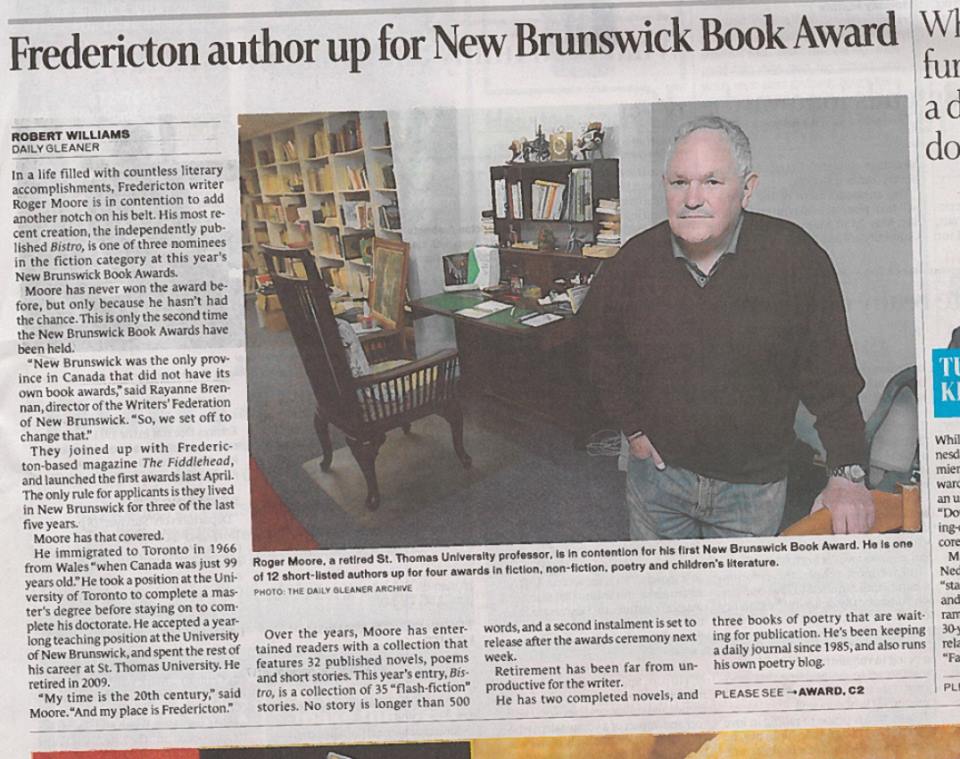
Comment: Talking the other day, I mentioned my grandfather’s chair, the only piece of furniture rescued from my parents’ house, and Margie said I had to write a poem about it. So, last night I did. The result is something very different from what I normally write. This is what in Spanish is called an occasional poem and it celebrates a specific occasion, a specific set of circumstances. Thus, it is written under different rules, rhyme, rhythm, stanzas. It is always an adventure to write something suggested by someone else. Poems like this cross the boundary between poetry of play (which this is) and occasionally enter the realm of poetry that expresses the authenticity of being which, to a certain extent is present in this poem too. The above photo, from our local newspaper, The Daily Gleaner, is the only one I have of the chair which resides in the basement where I keep my books. The article is an old one (2017), but the photo is nice!

Plein Air


IMG_0018 (2)

Plein Air
(for Ruby Allan)

Plein air,”
she said, and I imagined her
sitting before the blank spread of a canvas,
a ship’s sail waiting for a sea-side breeze
to fill that empty space with color and mood.

What routes will her paintbrush take
as it wanders over the new world
lying before her?

Plein air, al fresco,
in garden and street,
before the shops and then
on headland and shore,
alone or accompanied,

with sea birds wading
and the gull’s cry echoing its sea of sound
as the sun sets in its bonfire of brightness
and throws light and shadow,
chiaro-oscuro,
all around.

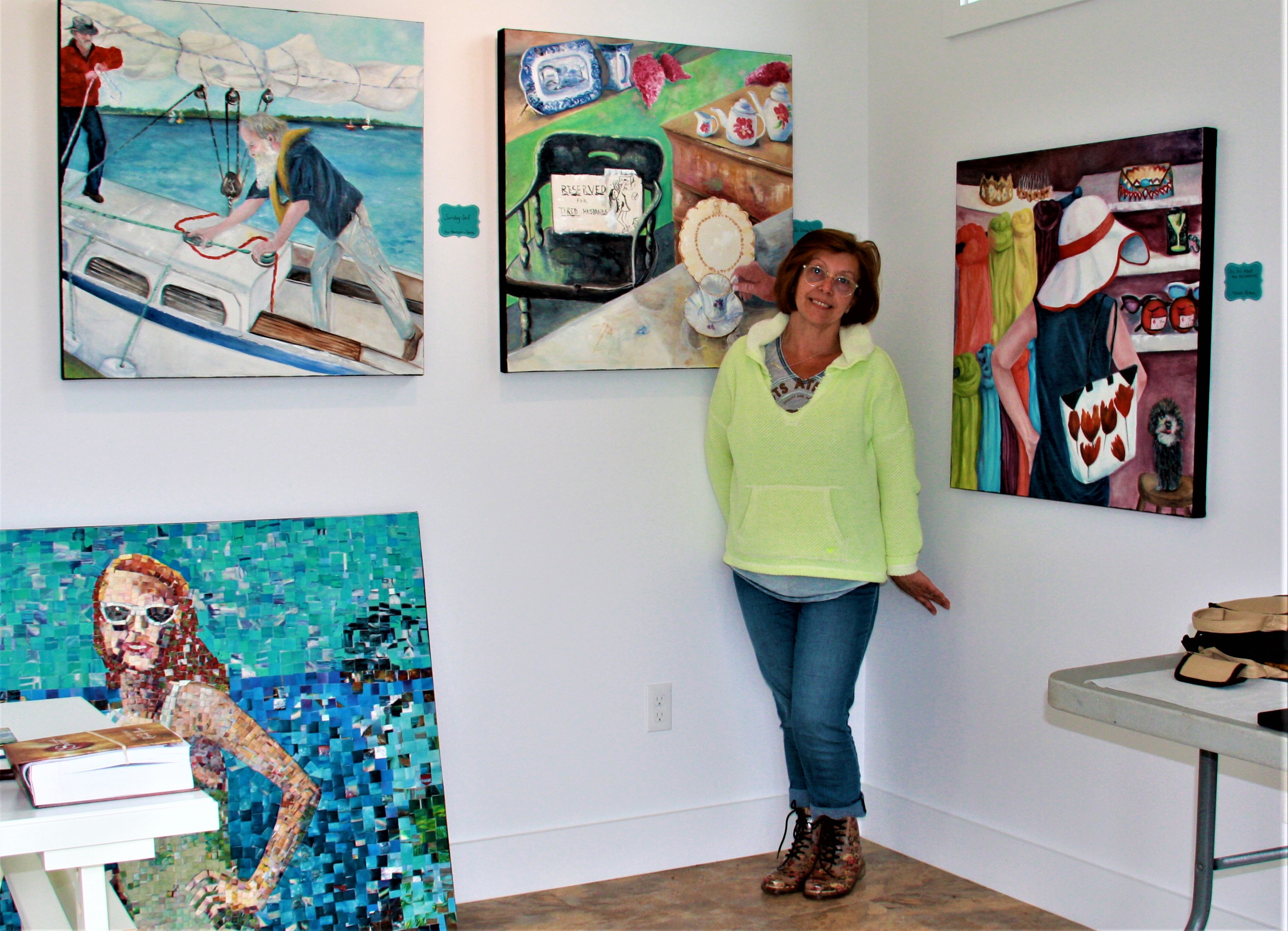
Comment: The lead photo of Ruby Allan in her studio was taken in her KIRA studio in June, 2017, by my friend and fellow artist, the Peruvian pan-piper and flautist / flutist, Carlos Carty. The poem comes from my book, One Small Corner (2017), written in KIRA during my residency. It can be found on page 94 in the section entitled Artists.

In this poem I have tried to capture the idea of Ruby painting in the fresh air (plein air / al fresco) in St. Andrews-by-the-sea. Clearly, as you can see from the above photo, the sea is so important to this town, as are harbors and boats and the men that man and sail them. The light is important too as it changes throughout the day or with wind and weather. As you can see, Ruby’s paintings are filled with light and she catches those magic moments when the world seems to freeze and stand still. I try to imitate visual art when I write, and I try to fill my poetry with those magic moments as I create verbal pictures that seize the seconds and  hold them, even if it be for just a little while.


Ego

cropped-39948917_706398923049634_3046174897211441152_o.jpg

Ego

I am not worthy
to be called her sun,
and yet her world
revolves around me.

She spins in my space
and short-circuits
her own life to make
mine more livable.

I’d like to say ‘joyous,’
but tears are in all things
(sunt lacrimae rerum)
and
death touches mortal minds
( et
mentem mortalia tangunt
).

The best I can offer:
a salt water world,
filled with inadequacies,
drowning us in tears.

Comment: Several things of note in this poem and the voice recording. Should we mix languages in a poem? Why ever not, so long as we explain them. This Latin tag goes back over 2,000 years and links my poem (Intertextuality, remember?) into a long Western tradition. Am I worthy of that tradition? Is my poem? Well, that is a totally different question. However, I am linked in, as you might phrase it. A second question: does my reading of the poem affect your understanding of the poem? If so, how and in what way? Does the phonic word play sun / son affect your understanding of the poem? If so, how? And how does the double meaning of ego work on your mind? Does the Freudian Ego / Id stand out? Or does the schoolboy “Quiz?” “Ego!” spring to mind. Or do you immediately think of the first person singular (Latin) ego as in ego sum lux, via veritas? More important: are you aware of any of this or does the poem disappear into a desert landscape of nothingness with no apparent strings attached? Good questions all: I invite you to think about them all. Blessings and best wishes. Keep safe.

Rain Again

The rain in Spain
does not stay on the plain

Rain
              When it rained in South Wales, it rained everywhere soaking rich and poor alike. There was no escaping the eternal wetness of Welsh Rain. Whenever we traveled, especially by bus, to another part of Swansea Town, it would be raining there too, but, as my auntie used to tell us when we came back home: “Smile now. Look happy. And remember: we had lovely weather all day. The sun was shining over there where we were. Raining here, at home, all day, was it? What a pity. You should have come on the bus with us!” I remember her smiling, all wrinkles round the eyes, her false teeth shining white, as she flashed a horse’s collar coal-scuttle of a grin, absolutely shameless. But we’d back her up. We’d all smile happily and laugh, and dance, and jump up and down, basking in the joy of the falsified sunshine of her wonderful smile, her shining false teeth. And she was right: where we had been together, the sun had shone all day, in spite of the umbrellas, our wet, cold feet, and all the undoubted evidence of a day of rain.


KIRA Creative Quarantine

image1 (53) - Copy

KIRA Creative Quarantine

The Kingsbrae International Residencies for Artists (KIRA) requested its alumni to consider creating a ten minute video of themselves offering an instructional lesson based  on themselves working in their specialist areas. You can click on the above link to see all the creative videos currently available. Note that two more are added each week. Here is a link to my own video on Writing a Poem. It is designed for people of any age and I hope that anyone who sees the video will enjoy it and be inspired to start putting together their own poems.

The photo above was taken by Geoff Slater, the Artistic Director at KIRA. He placed a selection of my books on the beach at Holt’s Point and Bingo: instant art from a master artist. My book Fundy Lines now sunbathes on a beach that has ready access to the beautiful Bay of Fundy.

Midnight

IMG_0225

Midnight

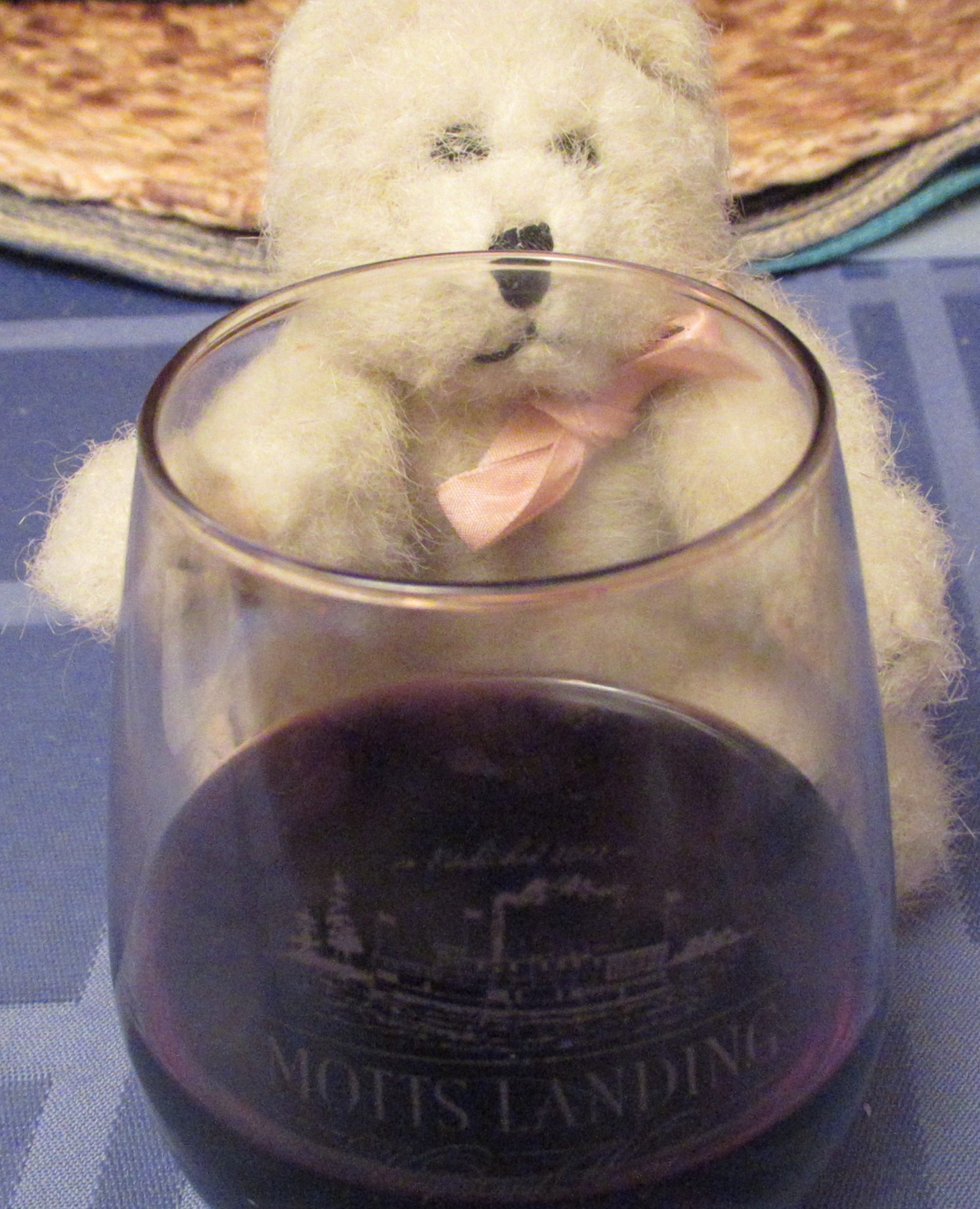
Primary red, this label, and the wine, fresh-drawn,
plucked from the bottle, tumbling tinto, into the glass.

Swirled, streaked ruby by overhead lights, bubbles
bright with hints of garnet, purple, brick at meniscus.

Sniffed, it smells of warm autumn days, scintillating
leaves, just crisping, turning color, and fruit all ripe.

Tasted: fruit bursts into hints of raspberries,
strawberries, spices, a touch of garrigue, mysterious.

Wine descends like water on a dry, hot, dusty day,
or rain after drought, when thirsty lands lap up

liquids, and rejoice in moisture’s blessings.
Raised now the glass, vineyard and vintners toasted,

midnight greeted, saluted the old day past and gone,
welcomed the fresh day walking in, swaddled, new born.

Word without end

IMG_0937 (2)

Word Without End
Antonio Machado

Tree: rowan, mountain ash, larch, tamarack,
hackmatack, spruce, birch, maple, passerines
flying from branch to branch. Birds: more words,

woodpeckers, downy, hairy, pileated, cardinals,
finches, purple, house, golden, rain-rusted robins,
crows, aerial magicians, wondrous in flight.

Spring: fresh branch tips, tiny fox gloves, leaf buds,
folded fiddleheads soon to open their spring magic.
Open: hearts worn on sleeves, open to the world,

wounds, eyes, everything open to beauteous
sun-warmth, snow’s slow disappearance, rising river,
freshet flow freshening this Renaissance,

every day a rebirth, a new beginning,
fresh starts, the world reborn beneath a rising sun,
its yellow disc growing, the new day glowing.

The word as it was in the beginning, head in hands,
heart in mouth, words without meaning, words whirling
golden autumn leaves, words caught in a whirligig,
words all powerful in a word-world without end.

Comment: “La palabra: una palptiación honda del espíritu / The word: a deep palpitation of the spirit.” Antonio Machado (1875-1939). In The Meaning of Meaning, Bertrand Russell discusses what words mean and how they construct, with their endless associative fields, a net of emotions that take us beyond logic into new realms of meaning. As poets and creative artists, we are conscious of the emotions we attach to each word we use. If the poetry is good, then that network of emotional associations reaches out to a wider audience and draws them into our own world view. If we are less skillful, then the emotions are trapped in our own claustrophobic words and fail to reach out, to lift up from the page, to achieve take-off. As we develop as poets and writers, we become more and more aware of the ways in which the microcosm, our own world in miniature, reaches out to the macrocosm, that wider world outside. When we achieve a blend between those two worlds, even if it be in nothing more than a metaphor, nothing more than a felicitous phrase or a delicately timed rhyme, then we reach a new level, a level that we strive to retain and attain anew every time we create.

For me, many of the secrets of poetry can be found hidden in the rhythm of words, the music of their joining, the harmonies they create when they play off each other, old and older meanings reflecting off the newer meanings we give them as we shuffle them anew and put them through their paces.

img_0146-3

Yesterday, my beloved placed seeds on the back porch, and a chipmunk, her pet chipmunk, came and sat on her foot as he chomped the seeds. Today, this first chipmunk was followed by a second chipmunk. Patience my friends. Keep writing. Keep striving. Keep experimenting. Keep your faith and your creed. Your words will one day reach out, like seeds to chipmunks, and will sow themselves in the mind’s of your readers. And those readers will beget other readers, much as one chipmunk plus one chipmunk will eventually equal many more than two chipmunks. Oh the joy of words, the loving search for le mot juste and the meaning of meaning. In the words of the immortal Cervantes: Paciencia, y barajar / patience, and shuffle your words. The results will creep upon you one morning, unaware and, like the chipmunks, they will catch you by surprise.

Applause

DSC02548

Applause

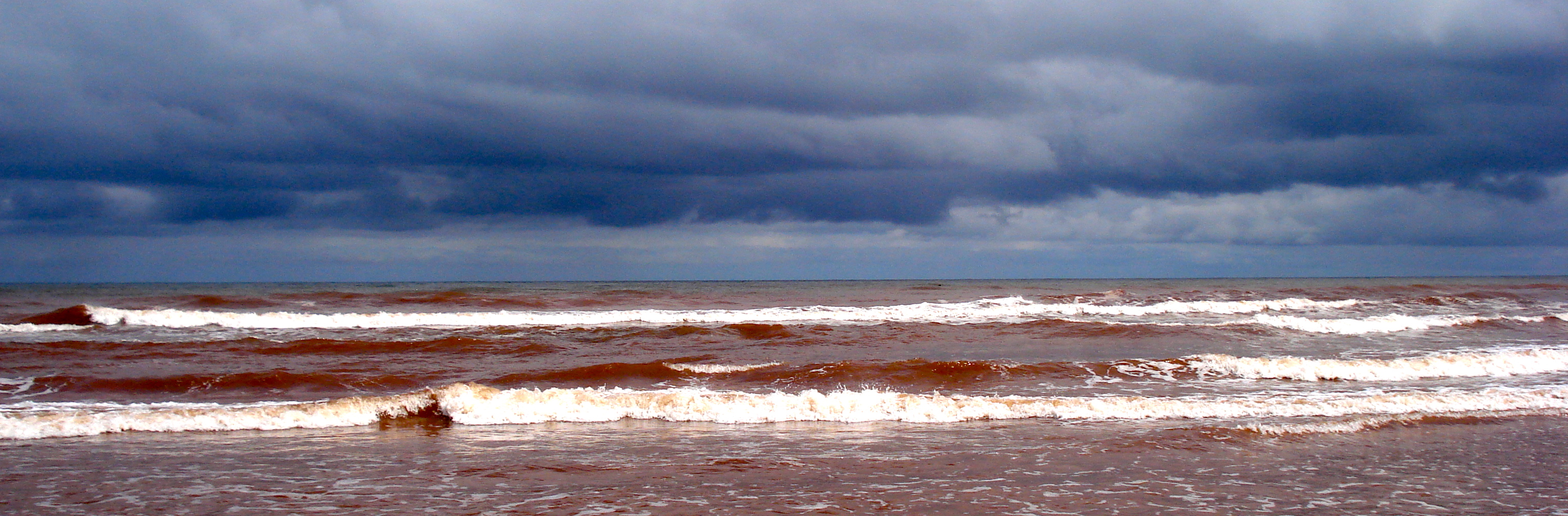
All that I hear
around me:
the mixing and matching
of shingle and stone,
waves hissing,
grinding the beach down
as they move in and out.

Comment: We are surrounded by news, fake news, false news, and systematic deception. What can we now trust? I no longer know. But I do know that the above poem is not nihilistic. It expresses the reduction of applause and insubstantial glory to the minutiae of the daily doings of the natural world, in comparison to which we humans are nothing. “Look on my works ye mighty and despair” … hand gestures, smiles, thunderous applause from the chosen gathered to bear witness and paid to applaud, whatever the event. Alas, I cannot say it as well as Shelley. Here’s his Ozymandias (11 January 1818).

I met a traveler from an antique land
who said: “Two vast and trunkless legs of stone
stand in the desert . . . Near them, on the sand,
half sunk, a shattered visage lies, whose frown,

and wrinkled lip, and sneer of cold command,
tell that its sculptor well those passions read
which yet survive, stamped on these lifeless things,
the hand that mocked them, and the heart that fed:

and on the pedestal these words appear:
‘My name is Ozymandias, king of kings:
look on my works, ye Mighty, and despair!’

Nothing beside remains. Round the decay
of that colossal wreck, boundless and bare
the lone and level sands stretch far away.”