Carved in Stone 18

18

Day-dreams, cloud castles,
châteaux en Espagne.

I climb the castle tower
in Segovia, and watch
Golden Eagles flying
in the air below me.

I walk the walls in Avila,
feel the stonework, warm in the sun,
and sense the passing of time
as it slowly gathers,
like clouds in the air
when they foretell a storm.
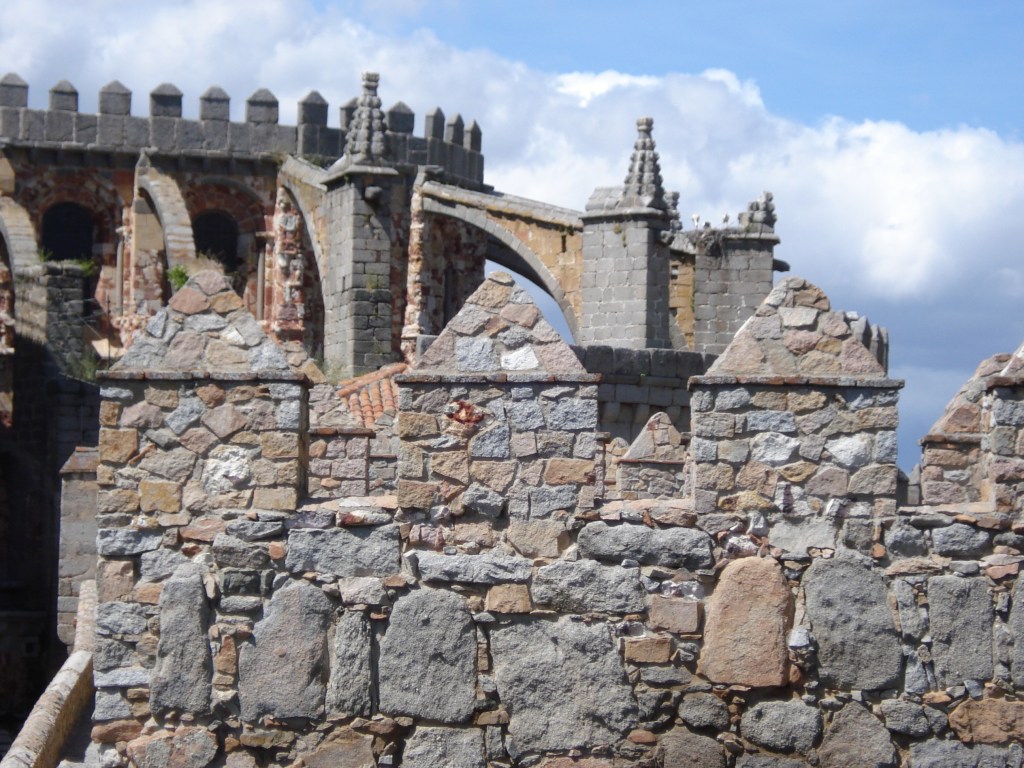
I trace masonic signatures
on the cathedral’s central façade,
and marvel at the master carvers,
who shaped the statues.


They also created angels
and the praying pay-masters
condemned to kneel there,
seeking forgiveness for their sins,
as flickering candles mark time.

Commentary:

Avila: 3.8 kilometres of walls. 9 entrances. Inside the walls, the old city. I lived for three summers in El Rincon, a Hostal in the city centre just outside the Mercado Chico. I still dream of walking those city streets, visiting the bars each with its different customs and tapas. And I remember the tapas, each bar specializing in something different. The Rincon, a marisqueria, and I learned so much abut sea-food, its transportation, the ways of preparing and cooking it.
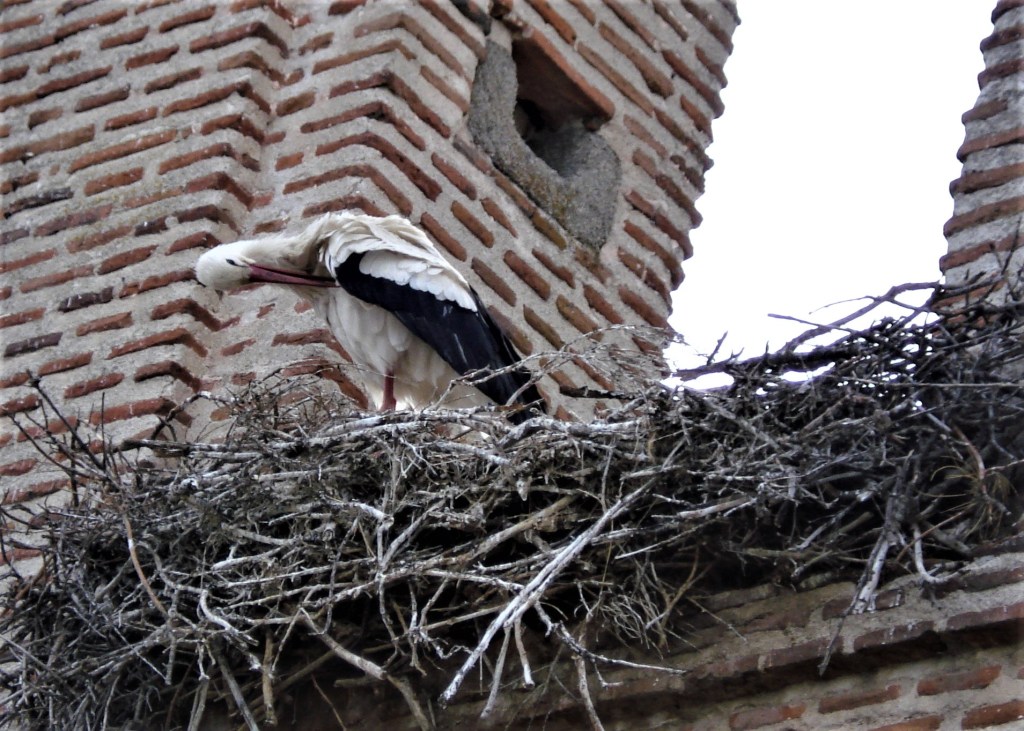
And while in Segovia, you look down at the Golden Eagles, in Avila, an eternity of storks looks down at you. I remember my friend, standing at the door of the Hostal and calling the storks, as they returned from a day in the fields, by the names of the churches in whose towers they built their nests.

I never thought those days would end, but end they did. As all things do. Now I must take a delight in the memories as they walk before me and call me by my name.
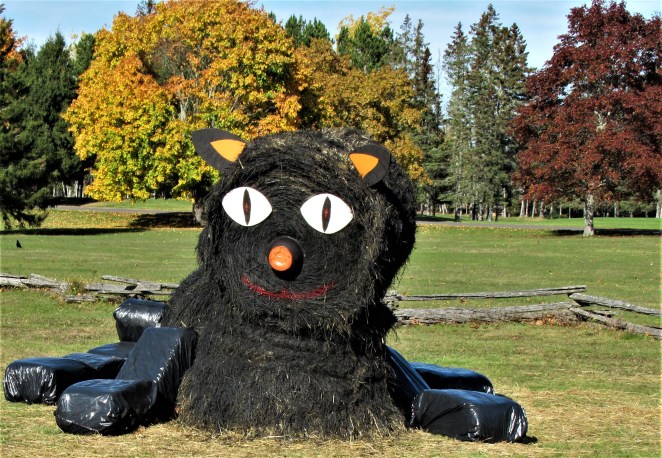
My favorite cat

My favorite cat

Pebbles have caught in my throat.
The word-river once flowing smooth
now backs up to spill leaf-freckled foam
over the tiniest barriers of branch and weed.

When I speak, some gypsy I find
has stolen my tongue, and my voice
is that of a changeling whisked away
from the cradle whilst her guardians slept.

Now leaves outside my window grow
rusty with autumn rain. A sharp-shinned hawk
no bigger than the blue jay he stalks
drives like a whirlwind at our feeder.

In dawn’s early light, a Great Barred owl
flaps enormous wings and drops like a stone
on my favorite cat, lifting her up and away.

Commentary:

Not a true story – sorry, my friends. However, I did see a Great Barred Owl swoop down on my neighbor’s cat. A canny old cat that one. He rolled over on his back, hissing and spitting, and showing all his unsheathed claws. Then he let out a most unnerving high-pitched whining sound and the owl backed off. Nature red in tooth and claw and our own backyard a battle ground where wild creatures roam and prey on each other.

Luckily, as a poet, I need neither seek nor deliver the truth, in any sense of the word. What I search for is emotional impact – words that ring true, even if they are not. Moments that reach out and grab us when and where we least expect it. As someone once said – never let the truth get in the way of a good story. Same with jokes.

And speaking of jokes, cross-cultural jokes are some of the most difficult things for a language learner to grasp. Humor exists in many forms. Silent comedy, like slapstick, does not need an interpreter. However, jokes based on cultural understanding are remarkably difficult to follow, unless one is totally immersed in the culture. As for linguistic jokes, even the sharpest individual can be defeated by word play and double meanings. I remember word plays from my beginner’s language classes that still leave me cold. Sorry, I just don’t find them funny even when explained. Clever, maybe, but funny? No way. Molière for example – Trissotin / trois fois fous. Really? ne dis pas que c’est amaranthe, dis plutôt que c’est de ma rente. Or, from the Spanish of Fuenteovejuna, Lope de Vega – Ciudad Real es del Rey. I hope you are splitting your sides over that one – I have never been able to laugh at it and still can’t understand what’s funny about it. C’est la vie, I guess.

Mallards

Mallards

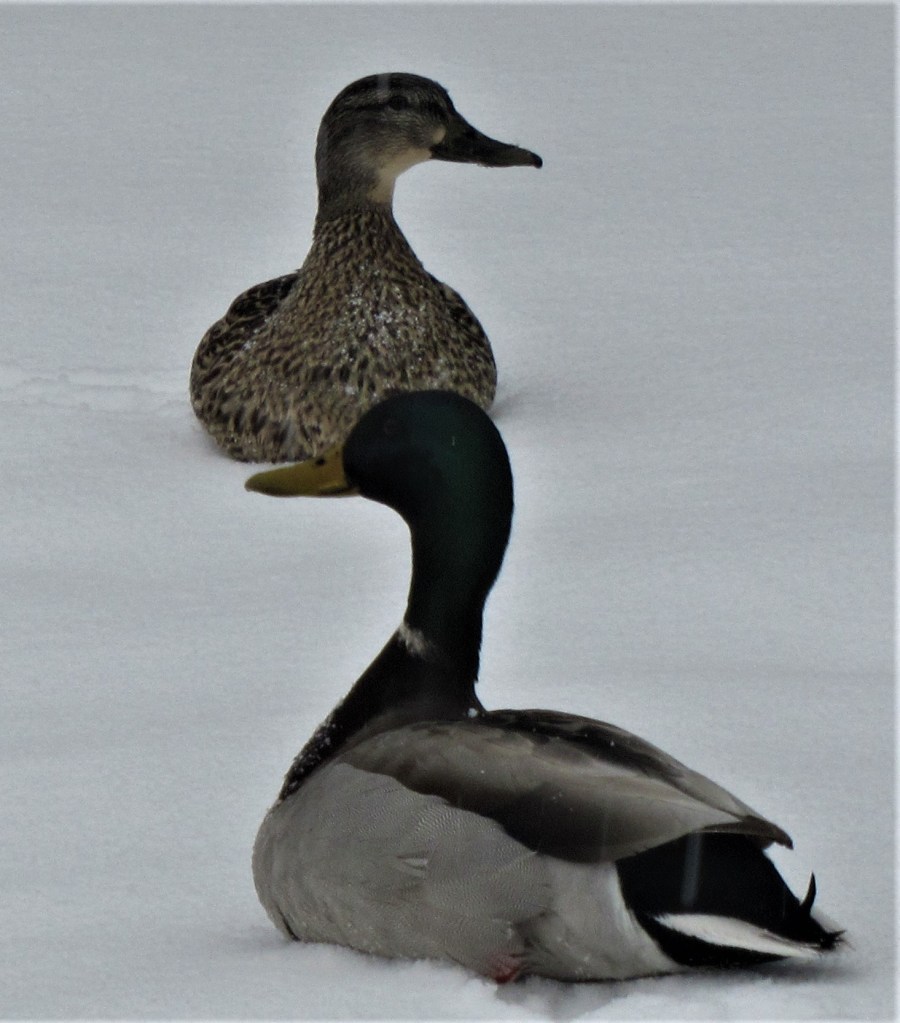
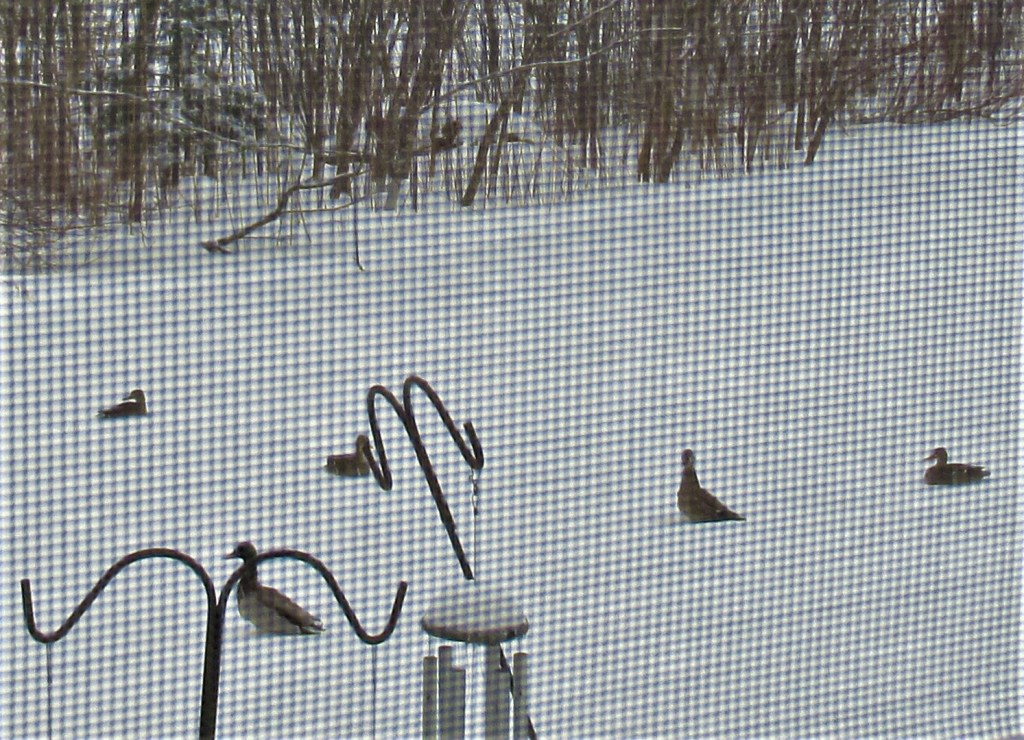
They flew twice around the house, then settled in on the snow. Not a pond in sight. Six of them: beautiful. The snow was fairly fresh and they sort of swam through it, looking very clumsy. Between low light, fly screens, and dirty winter windows, the photos aren’t great. But what fun. This is the best way to shoot things: with a camera.

“Duck! Here comes another one!”

Dawn Chorus

Dawn Chorus

On a sunny morning, the sun lights up
my bedroom wall. Each day he arrives
earlier and earlier, a minute a day.
Now days grow longer, a sure sign
that spring is on its way.

As I lie awake, waiting for the sun,
I sing my morning sunshine song.
It keeps me warm and comforts me.
I also count the birds that fly across
the garden in search of sunshine and food.

Crows come first. They perch atop
the highest trees and watch and wait.
Mourning Doves come next
and their dawn song is a mourning chorus,
“Who-who-who’s next?
called from branch to branch.
With the sun come Chickadees,
Pine Siskins, lazy Blue Jays, Juncos.
These are all regulars.

Irregular are my neighbor’s Cardinals,
orange and red, American Goldfinches,
two small woodpeckers, a Downie
and a Hairy, a Nuthatch.

Gone now are the Gray Jays,
Gorbies, Whisky Jacks,
those ghosts of the woods.
Lost too are the Greater Pileated,
the flocks of Grosbeaks, Evening,
Pine, and Rose-Breasted.

They may come back,
but somehow, I doubt it.
For now, the Blueness of Jays,
the Blackness of Crows,
and an unsubtle dawn chorus
of Caw-Caw-Caw-Caw-Caw.

Click here for Roger’s reading.
Dawn Chorus

Crow’s Feet

A crow, but not a beach. You’ll have to click on the link at the bottom of the page for the real beach photos.

Crow’s Feet

a convict’s arrows
marking the eye’s corner
and the beach at low tide
with its crackle of wings
as sea-birds fly
their defensive patterns
feathered sails
on a canvas wind

how many crabs
made in the image
of their carapaced god
hide in the sand
half-buried waiting
for the tide to turn
and water to return
and give them refuge

abandoned shells
postage stamps
glued in the top right-hand corner
of a picture post card beach

who can decipher
the sea’s hand writing
this mess of letters
stitched by sandpipers
who thread the beach’s eye
inscribing dark secrets
with the sewing machine
needles of their beaks

pregnant this noon tide silence
this absence of waves
where the quahaug lies buried
secured by a belly button
a lifeline to air and light
surrounded by crow’s feet
tugging at the beach’s dry skin

sand beneath my feet
sand between my toes
dry sand sandpapering

Comment:
And here’s the link to the beach photos.

https://moore.lib.unb.ca/poet/Crows_Feet.html

Crows

UNADJUSTEDNONRAW_thumb_2788.jpg

Crows

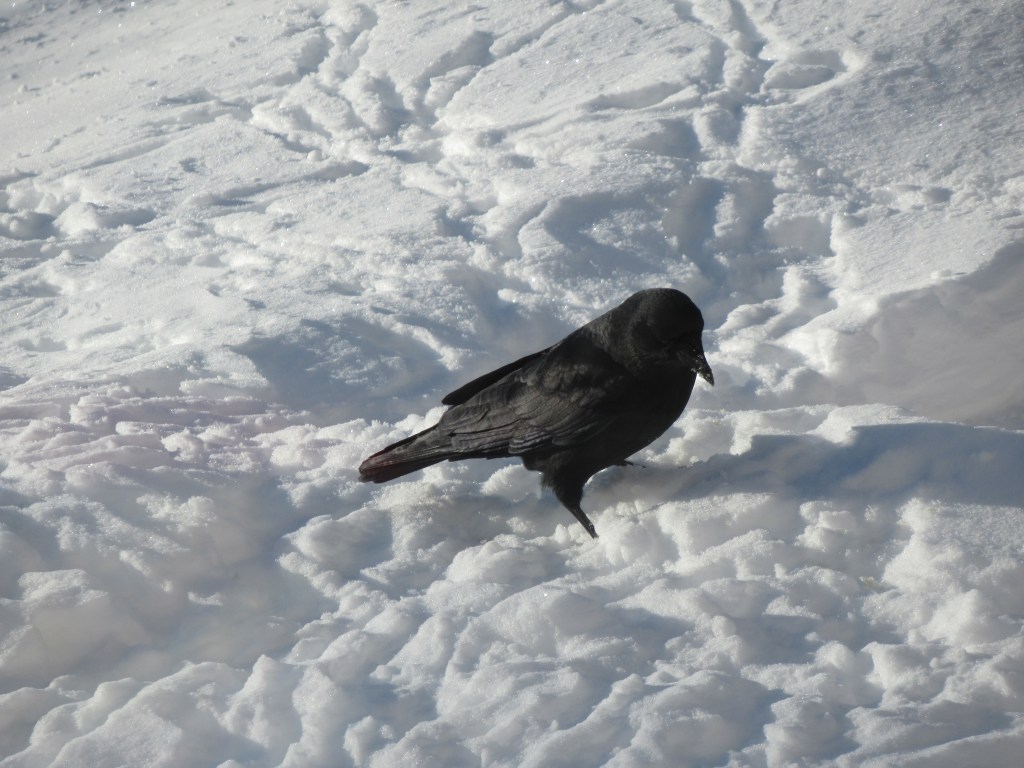
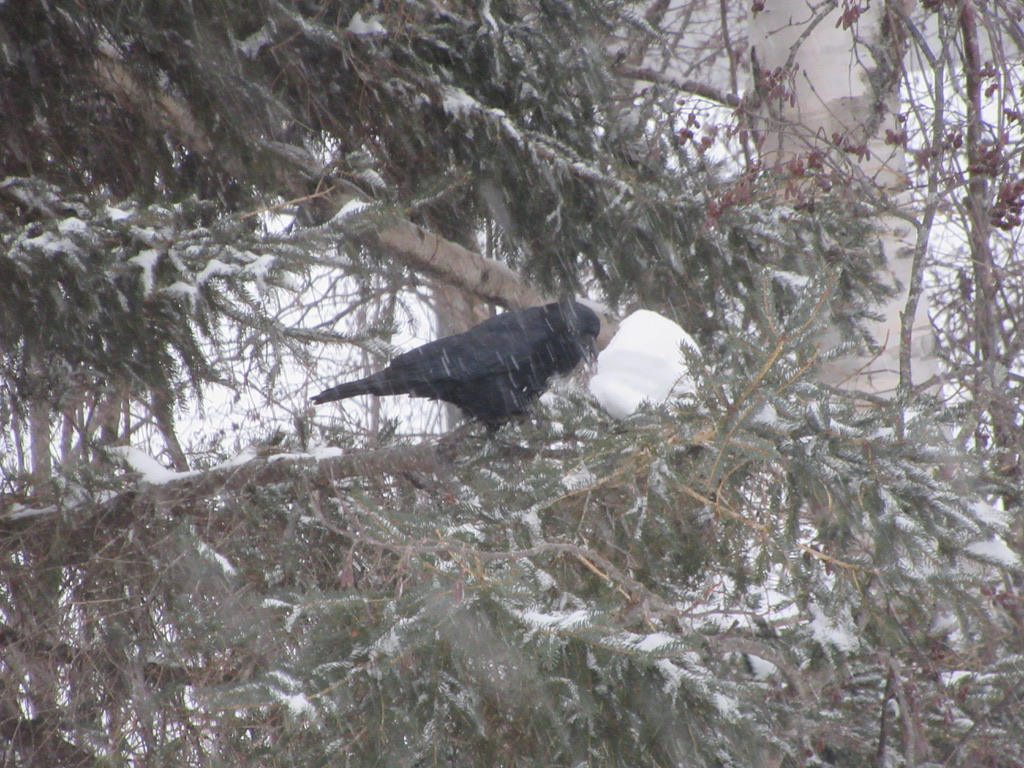
A family of crows lives  and nests close to our garden. Here are four of them together on the same branch. Two years ago, there were five of them. Last year there were seven and this year ten flew in the other day. They are such beautiful flyers. All weather conditions, too, summer and winter, all year round visitors.  I wish I could photograph the sound the air makes through their pinions as they swoop low over the roof on a warm summer’s afternoon.

UNADJUSTEDNONRAW_thumb_2741.jpg

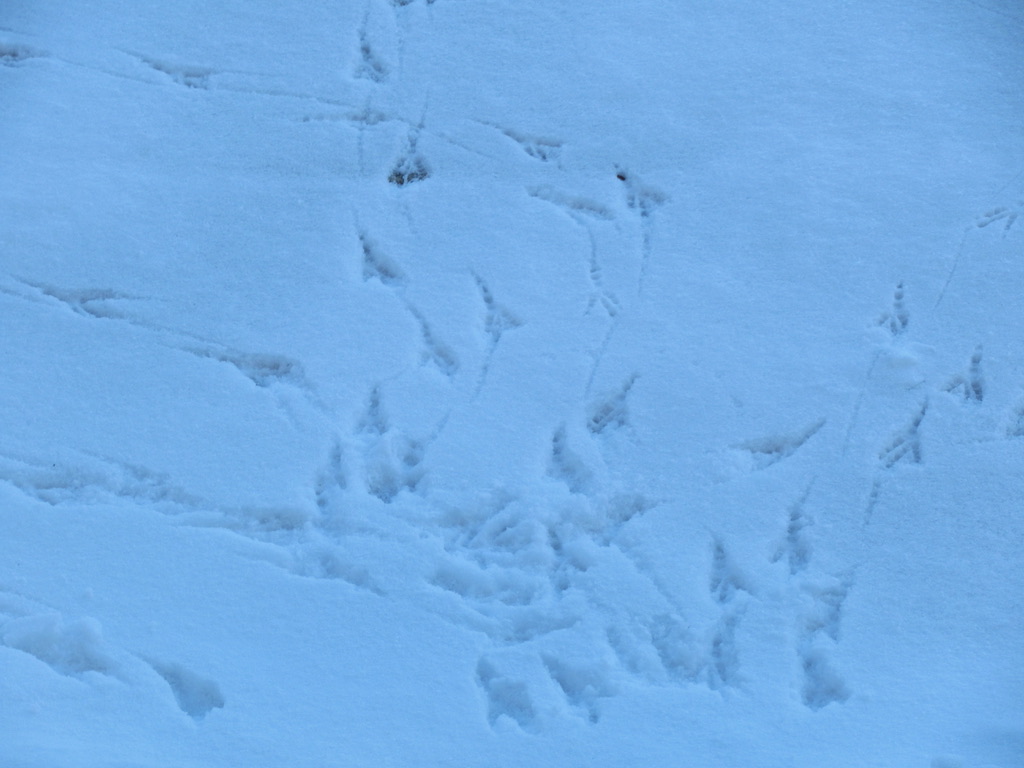
And they leave such gorgeous tracks in the snow. It is always fun to have them around and totally raucous when they find something worth eating.

UNADJUSTEDNONRAW_thumb_2731

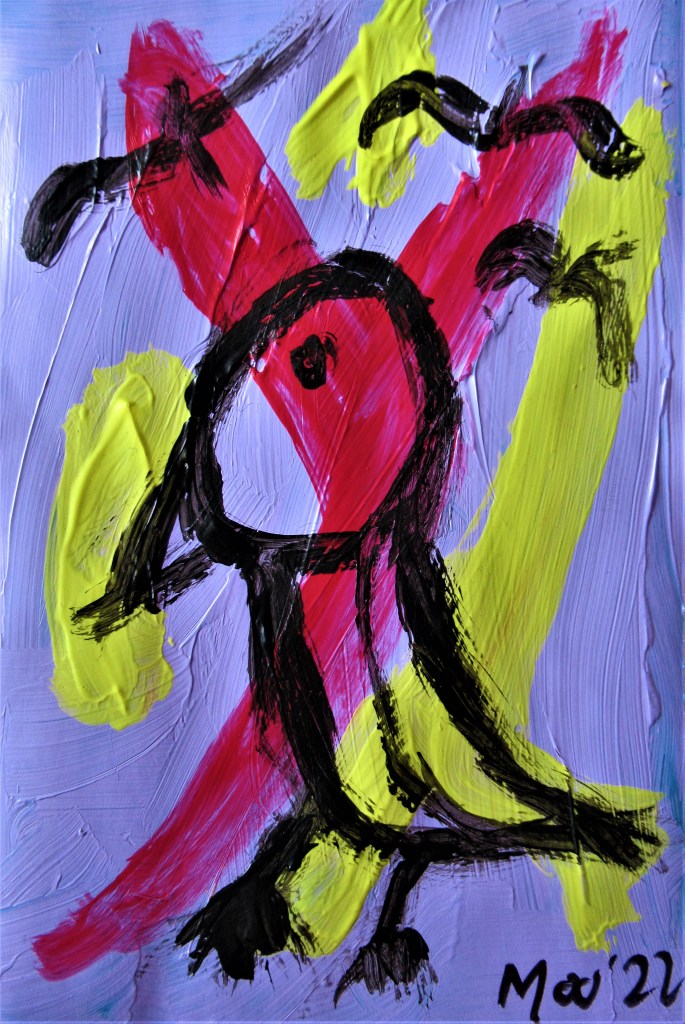
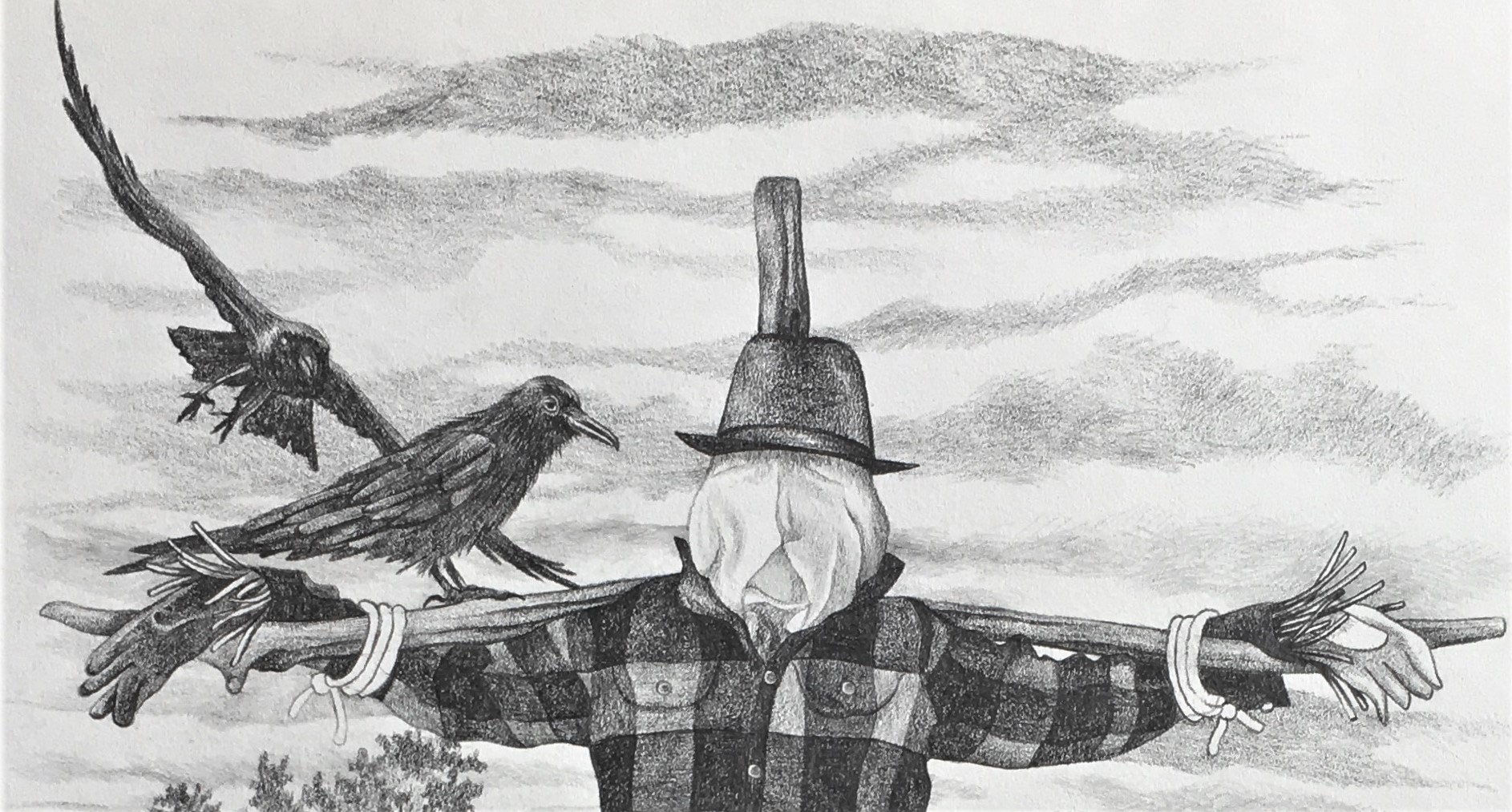
Geoff Slater has captured them to perfection. He’s better with his pencil than I am with my camera.

image3 (10)


A Rare Visitor

IMG_1672 (2).JPG

A Rare Visitor

The rare Red Plastic Flamingo drops in to visit. He isn’t seen very often, especially in cold weather, for he should be flying somewhere in the Caribbean. It is cold here: you can see the snow outside. It probably drove him in to seek refuge inside in the warm.

The Red Plastic Flamingo is a strange bird, being land bound rather than aerial. He has four legs, as you can clearly see in the photo and is capable of running at great speed, faster than the fastest greyhound. It is rare and unusual to catch them in pensive pose, as here. Usually they are just a blur of movement, a moment of madness captured briefly flashing through the yard.

Rare Bird Alert: keep your eyes open. You may find one living close to you.

Good Morning, Mourning Doves

IMG_1676 (2).JPG

Good Morning, Mourning Doves

They sense the snow storm on its way and come in early to feed while they can. Strange birds they are, so twitchy, so flighty. Eyes on the sides of their heads, all standing and pecking at different angles, a total world view. At the first sign of movement,the twitch of a curtain, a shadow on the floor, they give a sharp piercing call and fly in all directions. Sometimes, the shadow of the hawk falls over the feeder. Then they scatter. An individual may perish, but the flock survives.

When they leave, we throw out seed. But the yard is silent and they won’t come back, not for a long time. In the meantime, in comes that big, fat, grey squirrel and look, there’s a mourning dove in mourning for his long-lost, squirrel-gobbled breakfast!

And they are so difficult to photograph. Since the slightest movement scares them away, I must try from a distance, sometimes in not very good light. They can be so subtly beautiful, but oh dear, they can also be so dumb!

IMG_0437 (4)

Hawk at the Feeder

IMG_1678 (2).JPG

S/he flew in at lunch time today. We haven’t seen a bird or a squirrel in the garden since. So, ipso facto, s/he must still be around somewhere. It’s very quiet out there. I just managed the one photo before s/he flew.

We have had a few discussions on Facebook and elsewhere about what type of hawk this is. Sibley says it is difficult sometimes to distinguish between the Sharp-shinned hawk and the Cooper’s Hawk. My feeling is that it is too big for a “sharpie” and therefore, in all probability, is a Cooper’s. My camera battery was on its last gap when I took the photo, and as I said yesterday, I only managed this one shot. It was certainly a beautiful bird.

Bird Flu

dsc03693

Bird Flu

Silent the mountain ash
burdened beneath berries
burnished from yellow
to orange but where are
the birds who bounce
and chirrup and chirp
silent now their domain
the bird flu gripping
at fountain and feeder
and stilled their voices
gone their brightness
banished from this garden
that suffers now in silence
butterflies adorn the cones
and bees bumble in bees’ balm
but where oh where have
our beloved birds gone
chickadee and phoebe
sparrow and goldfinch
robin blue jay and nuthatch
gone gone gone all gone
and only the family of crows
young and old croak on and on