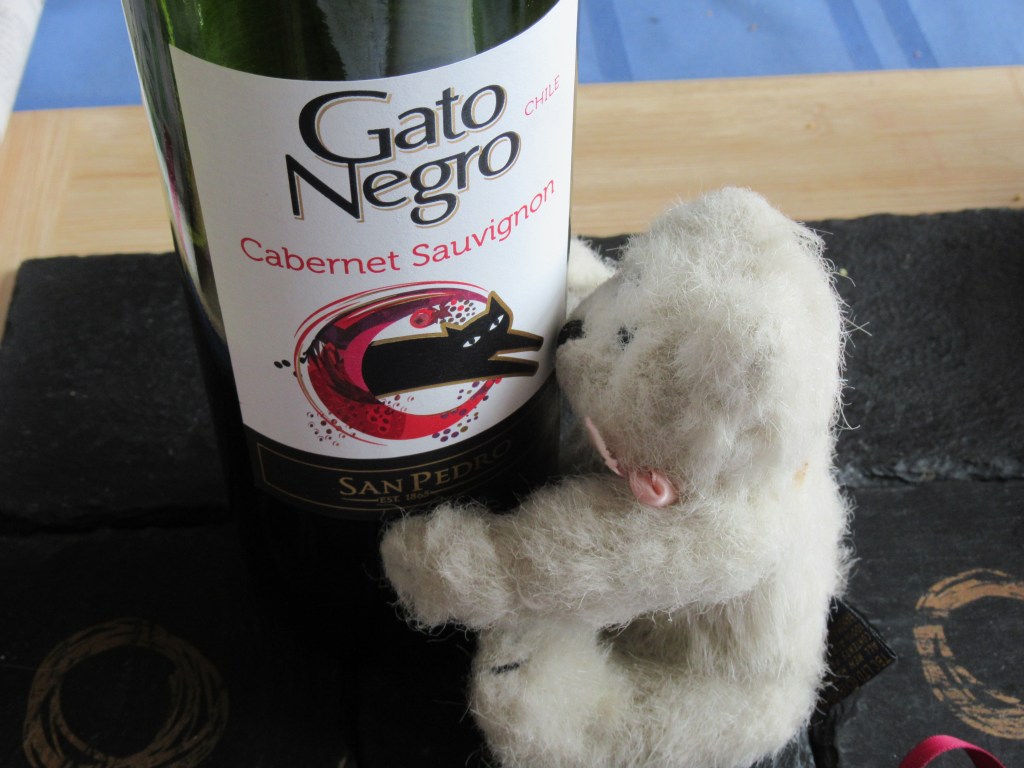
I wonder what I’m doing here, so far from home, sitting at the bar, with my beer before me, my face distorted in half a dozen fairground mirrors, surrounded by people half my age, or less, all smoking, cursing, using foreign forms of meta-language, gestures I no longer recall: the single finger on the nose, two fingers on the forehead, the back of the hand rammed against the chin with a sort of snort of disapproval. It’s way beyond my bedtime, yet I am held here, captured, body and soul, by foreign rhythms, unreal expectations of a daily ritual that runs on unbroken cycles of time: morning brandy, pre-lunch wine and tapas, home for the mid-day meal, a brief siesta, back to the café for a post-prandial raising of spirits, more blanco, then back to work at four and struggle on until seven or eight when the bar routine begins again with pre-supper tapas and tinto. Who am I? What am I? Where am I going? I wander, restless, streets and squares, enter other bars and restaurants, consume verdejo, manzanilla, tinto de verano, the original and many falsifications, in corner bars, on patios, sampling liqueurs, cognacs and coñac, Fundador, Carlos Quinto, Torres Diez, sol y sombra, Cuarenta y Tres, pasteles con café quemado. Time, comprehended in this new life-cycle, lacks meaning. Time, in a cycle I have long abandoned, is meaningless too.
Last night’s rainstorm shrank the house. We closed down rooms and now the walls are closing in. There’s so much we no longer use, nor visit, so many rooms we no longer enter.
Almost all our friends downsized long ago. We are the holdouts. We love it here in this big house with its lawns and trees and flowerbeds with bees’ balm, butterflies, birds, and the yard abuzz with sunshine and bees.
But now we are starting to throw things out. Maybe we’ll move, next summer perhaps, or maybe not. For now is the time of indecision.
Like friends of the same age, we travel the lesser road of memory loss, a name and a face here, a date or phone number there.
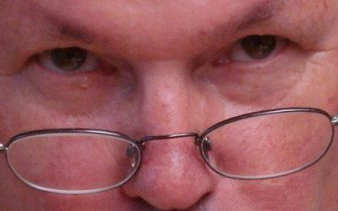
Perhaps, when the time comes, we will have forgotten how to move. Meanwhile, the mandatory old man’s question: ‘where did I put my glasses?’
Clarity is essential now: the cycle of seasons, the will and willingness to change. Nothing can alter this flow: rain and river, pond and sea, the moon pull of the tide. Each half-truth glimpsed through the helmet’s slotted visor as we charge in the lists, knee against knee, spear against spear, knight against knight. On the shore at the earth’s edge, a new planet mapped in miniature: each grain of sand, a speck of dust, light upon the palm, yet the whole beach, in unison, weighing us up, weighting us down. This world, immanent, renascent, growing more solid through its thinning veil of mist. Freckled the water, as the wild man sculls towards us, over the waves, over the sand, a fisher of what kind of men? Was he without guilt, he who cast that first stone? The pond’s water-mask, reconfigures in ever-widening circles traveling who knows where to lap at an unseen shore. Light bends like a reed; liquid are the letters dancing, distorted, on speckled waters and the white sand undulating under the rising waves.
Comment: So this is the messenger, and what now is the message? And who or what do we believe? And why should we believe it? Better by far, say some, to bury our heads in the sand and to pretend to be unaware, uncaring about all that is going on around us. Why worry about what we cannot change? Just let it be. But not all people think that way. And, unfortunately, not all people think. I do. But I am beginning to think that I am one of the few who does think. And not only that, I think I am getting out of step with the world around me. Yes, I know the Spanish saying: “in the Kingdom of the Blind, the one-eyed man is king”. I am neither blind, nor one-eyed, nor am I a king, nor a king-maker. More than anything, I think I am an anarchist ant!
Monkey Meets an Anarchist Ant Memories of El Camino de Santiago
The anarchist ant is dressed in black. He has a little red base-ball cap worn backwards on his head.
His eyes are fiery coals. “Phooey!” He says. “It’s folly to go with the flow.” so he turns his back on his companions and marches in the other direction.
Some ants call him a fool. The Ant Police try to turn him.
The Ant Police try to turn him. The Thought Police try to make him change his mind.
Others, in blind obedience to a thwarted, intolerant authority, first bully him, then beat him, then bite him till he’s dead.
Monkey loves walking behind the gorillas. The gorillas break and enter: and when they do, monkey simply points and gorillas do their thing: it’s that simple …
Monkey has a code word that he took from his computer course. “Delete!” he says with delight and the gorillas delete whatever he points to.
Monkey loves burning other people’s books. He also loves deleting parents especially in front of their children, and deleting children in front of their parents can be just as exciting.
The delete button excites monkey: maneuvering the mouse tightens his scrotum and he feels a kick like a baby’s at the bottom of his belly as he carefully selects his victim and “Delete!”
The gorillas go into action: ten, twenty, thirty, fifty, seventy years of existence deleted with a gesture and the click of an index finger pointed like a gun.
Some days, monkey winds himself up like a clockwork mouse. Other days he rolls over and over with a key in his back like a clockwork cat.
Monkey is growing old and forgetful. He forgets where he has hidden the key, pats his pockets, and slows right down before he eventually finds it and winds himself up again.
One day, monkey leaves the key between his shoulder blades in the middle of his back.
All day long, the temple monkeys play with the key, turning it round and round, and winding monkey’s clockwork, tighter and tighter, until suddenly the mainspring breaks
and monkey slumps at the table no energy, no strength, no stars, no planets, no moon at night, the sun broken fatally down, the clockwork of his universe sapped, and snapped.
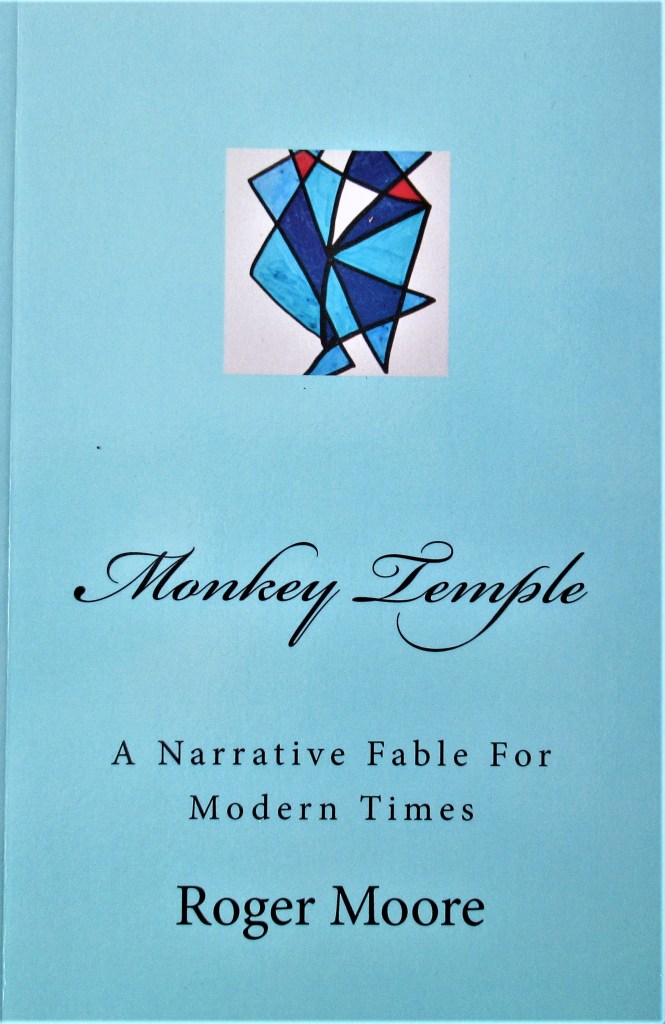
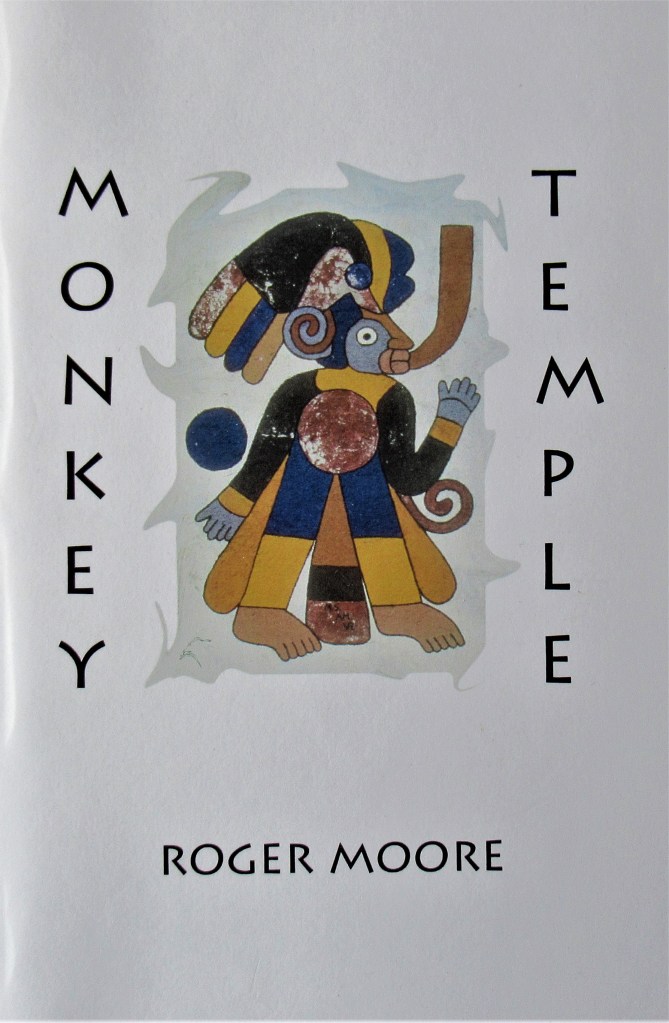
Comment: Monkey Temple is A Narrative Fable for Modern Times written in verse. The poems show strong links to Surrealism and Existential Philosophy. They portray the upside-down world of Carnival and out line Monkey’s Theory of the Absurd in a dystopian world that mirrors that of George Orwell’s Animal Farm, LaFontaine’s Fables, the esperpento of Valle-Inclan, and the witty conceptismo of Francisco de Quevedo. This is a walk through the jungle of the Jungian innermost mind. But watch out for those monkeys: they bite.
“I left her by the gate to the Beaver Pond at 2:38. It takes her twenty minutes to walk around the circuit. I always check my watch. Then I know when I can expect her back. In exactly eight minutes, she comes out of the woods and I can see her at the end of the boardwalk. I park the car in a spot from which I can watch her and wave to her. Today, I didn’t see her come out of the woods. It’s the radiation for prostate cancer … it’s left my bowels weak. I had to go to the bathroom … so I turned the car engine on … it was 2:44 … about two minutes before she was due to appear on the boardwalk … yesterday, a Great Blue Heron stood fishing in the pond … he flew when he saw her … a great crack of the wings … but today, the heron wasn’t there … just ducks … they flapped their wings, stood on the water, you know, the way they do, and scattered from the spot where she should have appeared … she walks very quietly, tip-toe, you know … she likes watching the heron and the ducks … she doesn’t like to frighten them … I don’t know what to think … I had to go … it was urgent … so I turned the car around and drove to the nearest bathroom … about one hundred yards away … I was in there … I don’t know … about five minutes … I didn’t check my watch … it’s dark in there … no electricity …besides, between hobbling on my sticks, praying to God to help me to hold on, opening and closing the door, struggling to get my pants down without soiling them …and then I drove back to the picnic tables … and waited … and waited …and she never appeared. I haven’t seen her since … she’s gone missing … I fear the worst … “
On the other end of the phone, a long silence, some heavy breathing, then:
“We’ll file a missing person’s report.”
“You will find her, won’t you? I love her, you know. I must find her. I want to know what’s happened … ” the old man wiped the corner of his right eye with the knuckle of the index finger of his left hand. He coughed and cleared his throat.
“Twenty years younger than you, you said?”
“Yes,” the old man nodded.
“Well, sir: we’ve already started our investigation. We’ll do our best to find her. We’ll contact you as soon as anything turns up.”
The police officer put down the phone and the circuit clicked out.
“What the hell you gonna do?”
“Not me … us.”
“Okay … us then … well … what the hell we gonna do?”
“You tell me. We got her on video. She walked out the other exit, by the park HQ, straight into the arms of the Deputy Police Commissioner. She’s twenty years younger than her husband and her husband’s got the sort of cancer that’s killed his sex life. Cancer? And the Deputy Commissioner’s the one who’s waiting for her? What the hell do you think we’re gonna do?”
Fall: Beaver Pond
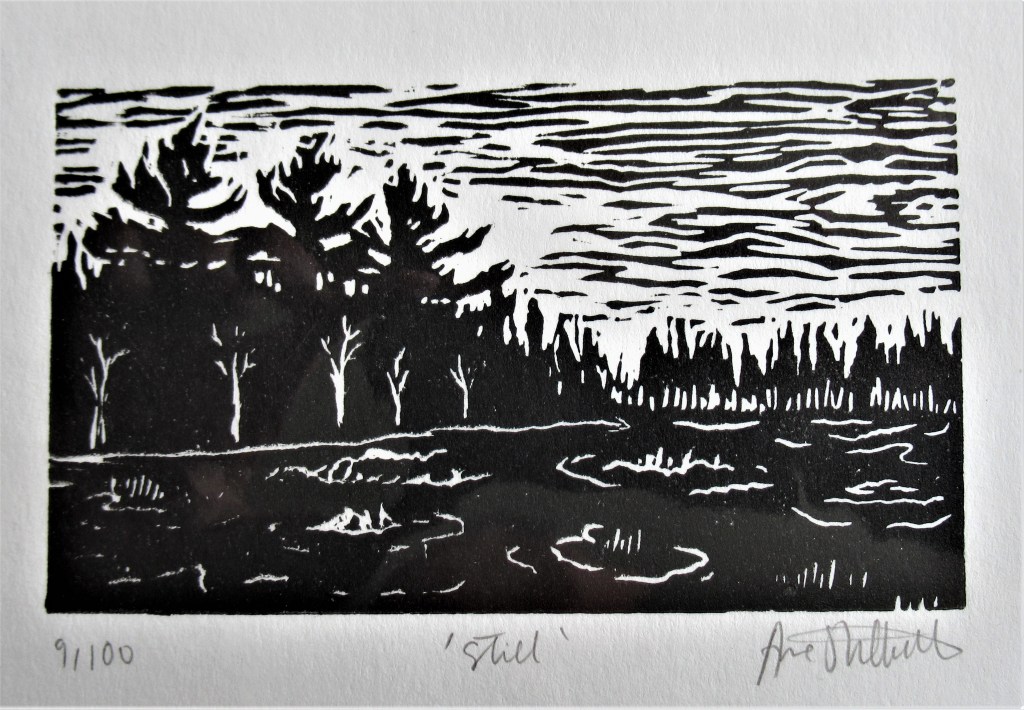
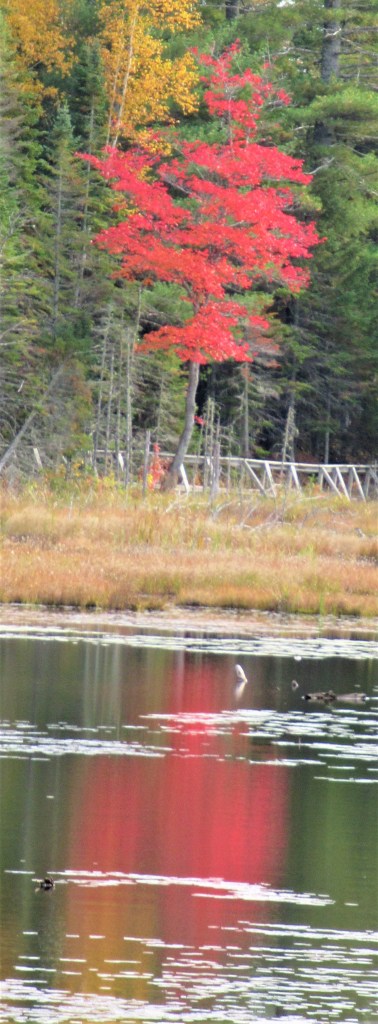
Comment The Beaver Pond at Mactaquac is a beautiful place to be, all year round. We love it in summer and fall and Anne Stillwell-Leblanc (< click on link for website) has captured the stillness and silence of the place in the above engraving. As I have become less mobile, so I have sent Clare cantering around the pond to enjoy the beauty we used to enjoy together. Meanwhile, I sit in the car and watch for Clare’s regular appearances through the trees and on the footbridge. As I sit, I write. Sometimes it is journal style, sometimes poetry, and occasionally a short story, like this one.
Spotify Remember to scroll down to the correct audio episode.
Chaos Theory
Chaos theory: it states that we don’t know what we’re doing and it wouldn’t really matter anyway, even if we did, because life lacks meaning, chance rules, and Lady Luck with her lusty locks attached to her forehead and she, all bald and hairless from behind, must be caught as she arrives, because later is much too late, and when past, she’s gone for good and our good luck’s gone with her, and we’re left for ever, sitting there, head in hands, bemoaning all that milk spilled before we ever had a chance to actually taste it.
Click on the link below to peruse my books for sale.
Spotify Scroll down to hear appropriate audio episode.
Not on My Watch!
The black-and-white cat sits in the window and watches the ginger cat that lounges on the porch and watches the five deer that stand in the woods at the garden’s foot and watch the neighbor’s little dog that watches the raccoon that disdainfully removes the garbage can lid and fishes out the food, scattering paper and wrappers and cans as four crows sit in the tree and watch the wind as it whistles the papers round and round in a windmill that wraps itself round the feet of another neighbor who is watching the raccoon with open-eyes as a seagull flies above him and bombs him from above, damn seagulls, and the bird poop falls right on my neighbor’s watch face and he cries out “Oh no, not on my watch!”
Click on the link below to peruse my books for sale.
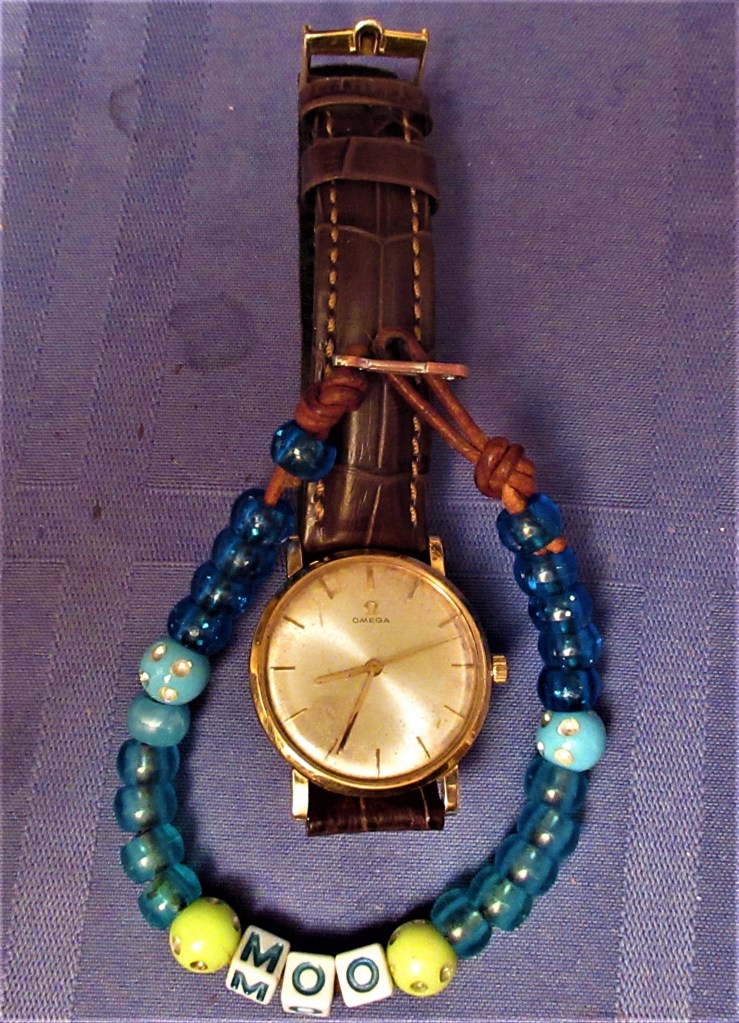
Comment: The photo shows the Omega watch that my father gave me for my 21st birthday. I am wearing it now, together with the bracelet that my four year old granddaughter, his great-grand-daughter, gave me for my birthday two years ago. Four generations in one photograph. Unbelievable.
Spotify: Remember to scroll down to the appropriate audio episode.
Spring
Slow going this snow going, but at least it isn’t snowing.
Snow forecast on the weather show, but we all know it cannot last, now the equinox is past.
With a roll of drums Easter comes, but friends and family stay away.
So all alone and safe at home we’ll spend our Easter day.
Everybody understands how often we must wash our hands.
Don’t go unmasked, even when asked, and all our friends must safely stay at least six feet away.
Comment: I just received this poem as a memory on Facebook. Interesting. I remember writing it, online, a year ago today, and what a fun time I had. Here’s the link to the video. I loved being involved in the creative experience. It was my first poetry video. I do hope you like it.