Rhondda Fawr

IMG_0689


Rhondda Fawr

To be Welsh on the coalfield
is to speak the language of steel and coal,
with an accent that grates like anthracite ‑‑
no plum in the mouth for us; no polish,
just spit and phlegm that cut through dust and grit,
pit‑head elocution lessons hacked from the coal‑face.

We sing arias and deep, rolling hymns
that surge from suffering and the eternal longing
for a light that never shines underground
where we live our lives and no owners roam.

Here “gas” and “fall” mean violent death
and the creaking of the pine pit‑prop is a song‑bird
suddenly silent in its cage warning of danger
soon to be upon us…

… words and music stop in our throats
as up above us the sad crowds gather.

Featured Image -- 7454

Sunday in Wales

IMG_0795.JPG

Sunday in Wales

To be Welsh on Sunday in a dry area of Wales
is to wish, for the only time in your life,
that you were English and civilized,
and that you had a car or a bike and could drive or pedal
to your heart’s desire, the county next door, wet on Sundays,
where the pubs never shut and the bar is a paradise
of elbows in your face and ribs and the dark liquids flow,
not warm, not cold, just right, and family and friends
are there beside you elbow to elbow, shoulder to shoulder,
and the old ones sitting indoors by the fire in winter
or outdoors in summer, at a picnic table under the trees
or beneath an umbrella that says Seven Up and Pepsi
(though nobody drinks them) and it serves as a sunshade
on this Sunday evening when the sun is still high
in the summer sky and the little kids tumble on the grass
playing soccer and cricket and it’s “Watch your beer, Da!”
and the gymnasts tumble over and over the family dog
who hides beneath the table and snores and twitches until
“Time, Gentlemen, please!” and the nightmare is upon us
as the old school bell, ship’s bell, rings out its brass warning
and people leave the Travellers’ Rest, the Ffynnon Wen,
the Woodville, the Antelope, the Butcher’s, the Deri,
the White Rose, the Con Club, the Plough and Harrow,
the Flora, the Pant Mawr, The Cow and Snuffers,
the Villiers Arms, the Cricketers, the Mexico Fountain,
the Church (the one with handles on the prayer books),
God Bless them all, I knew them in my prime.

Comment: In the old days, when there were twelve counties in Wales, each county voted whether or not to permit the consumption of alcohol in public houses (pubs) on Sunday. Those counties who forbade Sunday drinking were called ‘dry’ and the others, who permitted it, were called ‘wet’. I remember hearing about the rush from Sunday Chapel Services in dry counties as the church-goers headed over the border into the wet counties where they could fill up in the proper fashion. The pubs listed at the end of the poem are all in the Swansea or Cardiff area, and yes, I have visited them all. The poem was designed to be read in a single breath … at quite high speed and in a Welsh accent. Alas, it takes me more than one breath now and I, like the ageing church-goers, must stop a couple of times as I wend my way down Memory Lane, from the dry to the wet.

Shunting

IMG_0777.JPG

Shunting
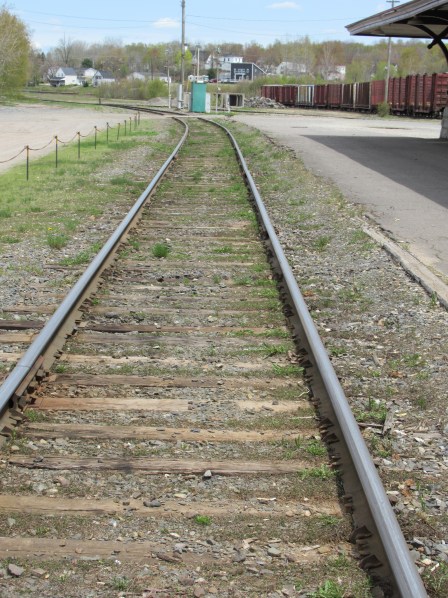
McAdam Railway Station # 7

So many memories
cling like hobos
to freight trains.

Tracks as always,
sleepers, steel rails
an optical illusion,

joining in the distance
where the miles
between now and then

knit themselves together
and we are young once more,
riding the rails,

dreaming of towns
beyond this town,
dreaming of the future,
not the past.

Comment: This is one of my own memories. We lived by the railway yards in Swansea and again in Cardiff. The trains were a regular part of my dreams. I lay awake one night waiting for the 3:20 to London, but it never came. I couldn’t sleep, waiting for that train. Next day I learned that there had been a railway accident. When I returned to boarding school after the holidays, I would lie awake at night waiting for trains that never arrived. We had a track close to the school, but we called it the Beetle Crusher because it was old and rusty and used so rarely that the beetles, who never knew when it was coming, would get crushed when it arrived. I have written a book about that train and that school, but I have yet to publish it. When I was very young and we travelled to London on the Great Western Railway (GWR) train from Swansea High Street, we had to go up to the engine driver and say ‘hello’. And then we had to thank the engine before we set off. Iron, steam, coal, inanimate to many perhaps, but live living animated beings young children who sat, like our ancestors in Gower caves, and watched the pictures the sea-coal flames painted in the fire.

Volunteers


IMG_0765 (2).JPG

Volunteers
McAdam Railway Station 6

Only the old in body
and young at heart know
how to cook like this.

The soda fountain stools,
the horseshoe bar
from the old Royal York,

they merit only the best.
Simplicity rules. Stews
like grandma made them,

lining the ribs,
defying damp and cold.
Railway Pie, recipes

a hundred years old, or more.
bread rolls that melt
into the butter knife,

coffee to kill for. No wonder
the old ghosts walk around
feeding off cooking smells,

sad, gentle eyes, watching us
as we eat, refusing to leave.

Comment: That’s the end of the Railway Pie, I’m afraid. The soup has already vanished. Three lucky people, arriving on cooking day, and receiving a free lunch. What joy, what delight. The volunteers were cooking for another event, outside the station, which was not yet open. Old ghosts watched from quiet corners as we ate. I am sure those spirits survive on the wonderful cooking smells that emerge. I should add how impressed I am at the knowledge displayed by the volunteers at McAdam Railway Station. They now only have their facts at their fingertips, but hey are able to express those facts in a way that draws the audience in and makes every visit a genuine pleasure. Volunteers: thank you for being there. You do a great job.

IMG_0765 (2).JPG

Defenestration


IMG_0781 (2).JPG

Defenestration
McAdam Railway Station 4

“When I first walked
by that tiny window,
right up there,
on the third floor,
I wanted to go up to it,
to stand there, to look out.

There was a young girl,
went up there one morning,
opened the window,
and threw herself out.

She must have been desperate.
Rejected by her lover,
who knows what state she was in.”

Defenestration?
It’s a funny word,
I had to look it up.

It’s from the Latin:
de means out from,
fenestra is the window,
fenêtre in French.

“She just opened the window
and threw herself out.”

Comment:  Geoff, in his role as tour guide, took Clare up to the third floor, showed her this window, and told her the story of the young girl who had jumped out, killing herself in the process. Clare said she was fascinated by the story and felt an urgent desire to stand there, and look out of the window. I am so glad she didn’t feel the need to throw herself out. Oral tradition: I love the way stories are passed from mouth to mouth, changing slightly all the while. Why did the young woman kill herself? Was she pregnant? We can only speculate and I guess we’ll never know for certain.

Call Girl

IMG_0783 (2)

Call Girl
McAdam Railway Station 1

“She came down from Montreal
to look after all the railway workers.
We called her the Call Girl.”
The men in the room sit up
and pay attention. The women
look rather expectant.

“She was a great worker,
performed her duties willingly.
Up at four in the morning,
out into the streets,
knocking on the men’s doors,
waking them up for work
with her morning call.

We called her the Call Girl
because it was her vocation.
she was called to call.”

Comment:
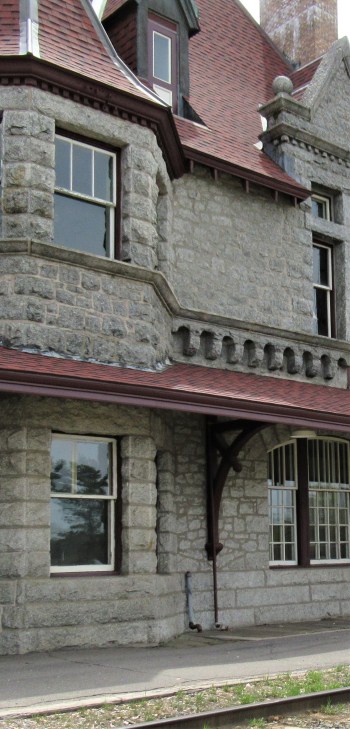
I visited McAdam Railway Station last week, a Canadian National Heritage Site. The guides who were there, many of them members of the local historical society, were well-versed in tales of the station and the people who used to pass through there. I listened to their words with great care, admiring the quality of their images and speech, the terseness and accuracy of their words. This sequence of poems is based upon those people, excellent guides and raconteurs in the best sense of the word. These are their words, not mine, and with their permission, I am posting their stories here. The first poem was spoken by Elsie. Thank you so much, Elsie, for allowing me to share your words. Click this link to the McAdam Railway Station site if you want to see some great photos and read about the history of the McAdam Railway Station.


In the Cave

9_Bisonte_Magdaleniense_polícromo.jpg

In the Cave
(514-520 BC)

one goes on a journey
knows where one’s been

reality returning
one tells what one’s seen

shadows dancing
on night’s silver screen

verbal sketches
from where one’s been

speaking other languages
heard not seen

the more one speaks
the more others think
‘dream’

a dream for those
who’ve never been
where one’s been


Eden 1

IMG_0608.JPG

Eden 1
(1956 AD)

wet rags of dirty washing
hang on the Siegfried
line’s barbed wire

flesh rent ripped
broken-glass anger bottled
blood-mottled concrete

bones mixer-crushed
blood sacrifice a keep-safe
ash-cross camouflage
stretched sketched
over grime and crime

heavy the spike-toll
rooted the rock
chips off old blocks
these flint flakes flying

faceless this sphinx
inscrutable smile
where now
sands of the Nile

ample ammunition
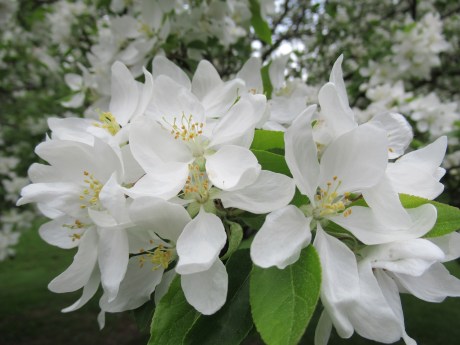
beneath this apple tree
flat-footed lame-duck walk
goose-stepped after expulsion

walled this garden
to lock what in
to keep who out


IMG_0591 (3).JPG

Grand Finale

IMG_0646 (2).JPG

Grand Finale
(Moscow 1812
&
Moncton 2015)

survey the battlefield
muskets primed
three shots a minute
cities burning
hamlets and villages

world-viewed
through a monocle
stand to attention
be-whiskered faces
small narrow minds
wine glasses raised
gay colored uniforms
dazzling decorations
marvelous medals

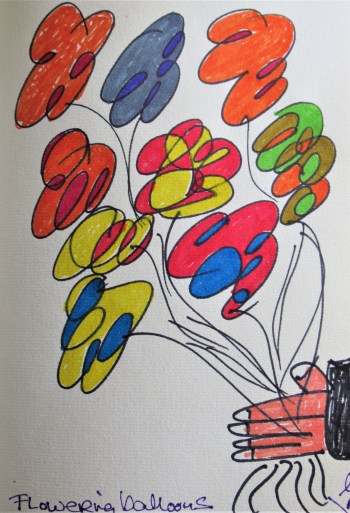
balloons blooming
gaudy their globules
pins at the ready
no flash but a big bang

glorious martial music
tintinnabulations
church bells ringing
carillon and cannon
magnificent the music

written cryptic
recorded alive
heard played seen
in  memory’s mind’s eye
again and again