Heroes


Heroes


Garbage Day
(1789 AD)
all the dustbins
dancing down the street
trying no doubt to achieve
a spring time copulation
so they can give birth
to even more dustbins
you can’t have a revolution
without dustbins
dusty … dusty … filthy
dusty dustbins
a sadistic way to look at
dustbins full of sawdust
heading off down the street
between potholes
and blowing bins
a right Danse Macabre
conducted by
St. Vitus
me sitting there knitting
Montreal Canadians
this Red Cap
I keep flying high
even though I stand
upon Gibraltar’s Rock so fair
not to mention Paris
the Place de la Bastille
with tumbrils rattling
Old Moll in a Moll’s Cap
toothless fairy
at a Goblin Party
watch out
for toad s’tools
[sick this poem
this joke
and all that’s in it]
Comment: A wonderful drawing by my friend, line painter Geoff Slater. The poem, of course, represents the garbage in (and out of) the garbage can. 1789 is the date of the French Revolution. I found this poem in my discard file, so it was one of those that didn’t make it anywhere. Maybe it shouldn’t have made it here either. But it takes all sorts to make a world and Geoff’s red dustbin reminds me of the red caps knitted by the old women beneath the scaffold and the guillotine. Funny things, guillotines: invent them and they drop on you when you fall out of favor. There are so many allusions in this poem that I am ashamed to say I remember them all, and not all of them are pleasant. Mind you, few things are pleasant nowadays and remember: it is better to leave your dustbins out to roam the streets and be plundered by the crows and swept away by the high winds than to leave them festering and smelling bad and all cooped up in the locked down garage.

Why?
“Where are you going?” I ask again. “To see a man about a dog,” my father replies. “Why?” I ask. “Hair of the dog,” his voice ghosts through the rapidly closing crack as the front door shuts behind him. “Why?” I cry out.
I recall the mud nest jammed tight against our garage roof. Tiny yellow beaks flap ceaselessly open. Parent birds sit on a vantage point of electric cable, their beaks moving in silent encouragement. A sudden rush, a clamour of wing and claw, a small body thudding down a ladder of air to crash beak first on the concrete.
“Why?” I ask.
The age-old answer comes back to me. “Wye is a river. It flows through Ross-on-Wye and marks the boundary between England and Wales.” The swallows perch on the rafters watching their fledgling as it struggles on the floor, the weakening wing flaps, the last slow kicks of the twitching legs.
“Why?” I ask.”
Y is a crooked letter invented by the Green Man of Wye,” my grandfather says.
“Why?” I repeat. “I want to know why.” Silence hangs a question mark over the unsatisfied spaces of my questing mind.
Comment: A golden oldie. We would all like to know why. But there are no answers. Just riddles cast, like two trunk-less legs of stone, on the sands of time. Nothing beside remains. Yet still we ask the age old question? Why? And still we get the age old answer from the ageing masters who rule our childhood lives and teach us everything they know: “Because.”

Keeping Score
(‘… we blossom and flourish
like leaves on a tree
and wither and perish …’)
In the beginning was the number,
and that number was one:
number one.
Place it on the chessboard,
square A1,
bottom left corner,
black.
Next door,
on square B1,
white,
place number 2.
Next door,
C1,
place number 4.
The D1 square
claims number 8.
The players are abandoned
to their fate.
16 perch
on square E1.
32
land next door,
what fun,
and crowd into
square F1.
Square G1
sees 64
and H1
numbers
128,
each number a person,
forsaken of late,
and left to perish
in a perilous state.
Black on the left,
white on the right,
the numbers will soon rise
out of sight.
That’s just the start,
the first rank done.
Now we can really
have some fun.
A bean counter’s work
is never done.
H2 = 2-5-6.
Now we’re really
in a fix.
G2 = 5-1-2.
Whatever are we
going to do.
F2 = 1-0-2-4.
Now we’re rattling
up the score.
E2 = 2-0-4-8:
why did we procrastinate,
enjoying ourselves,
rich, young and wealthy,
thinking everyone
hale and healthy,
encouraging them
to drink and party.
D2 = 4-0-9-6.
‘What’s this?’
They cried.
‘It’s just the dead ones,’
we replied.
“Surely there can’t be
many more?”
We said we really
couldn’t be too sure,
though we all wished
it was somewhat fewer.
Body bags are not too pleasant,
laid out in rows,
or curved in a crescent.
“C2?”
We were asked
by a man in a surgical mask.
“8-1-9-2,”
came the reply,
“and there’s lots more
yet to die.”
“B2?”
“I’ll have to tell you later,
when I’ve checked
my calculator.”
We punch the numbers,
one by one.
Keeping score is so much fun.
“8192
multiplied by 2
gives us
1-6-3-8-4.”
“My God,” he said.
“How many more?”
A2
multiplies by two
the numbers laid out
on B2.
“We’re sorry,” we said,
“the news ain’t great:
now we’ve climbed to
32 thousand,
seven hundred
and sixty-eight.”
Don’t bother to give us any thanks.
We’ve got to calculate six more ranks.
Maybe when we get to square H8,
the dying will decelerate.
Then maybe we can celebrate.
Until then we’ll just keep score
and hope there aren’t too many more.

Rain
And on top of it all,
squall after squall,
rain falls on us all.
It ends the snow, that’s true,
but it dampens me and you.
I’m getting old, my toes are cold,
my hands are cold, I’m getting old.
Arthritis has me in its grasp.
Some days I can only wince and gasp.
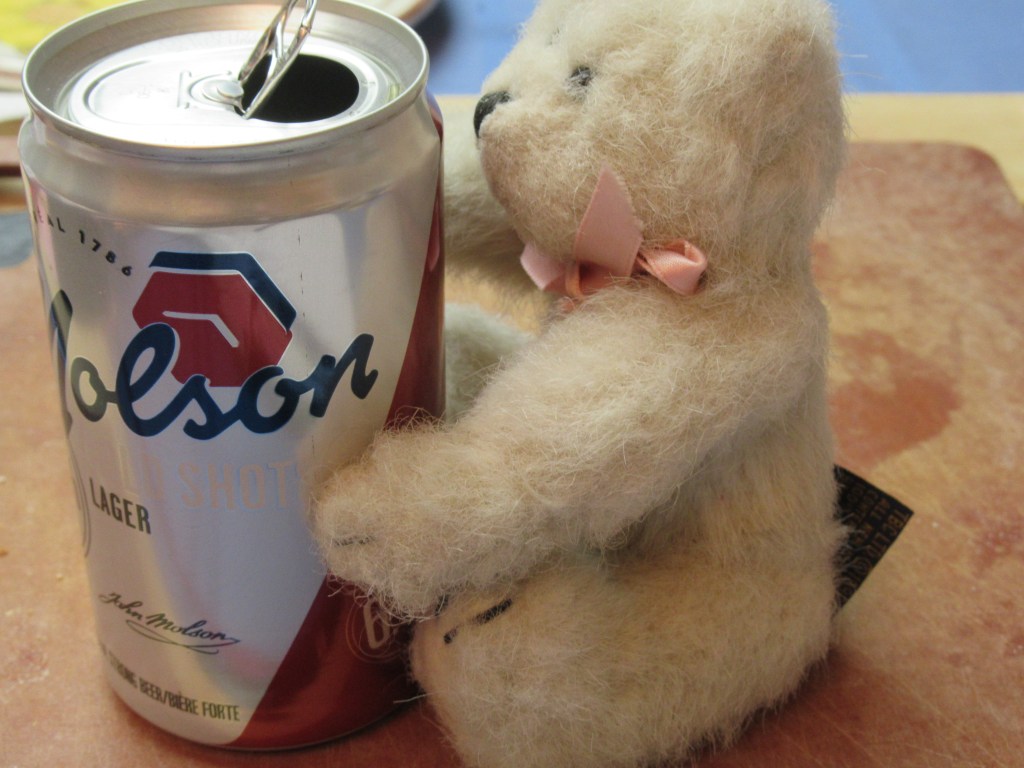
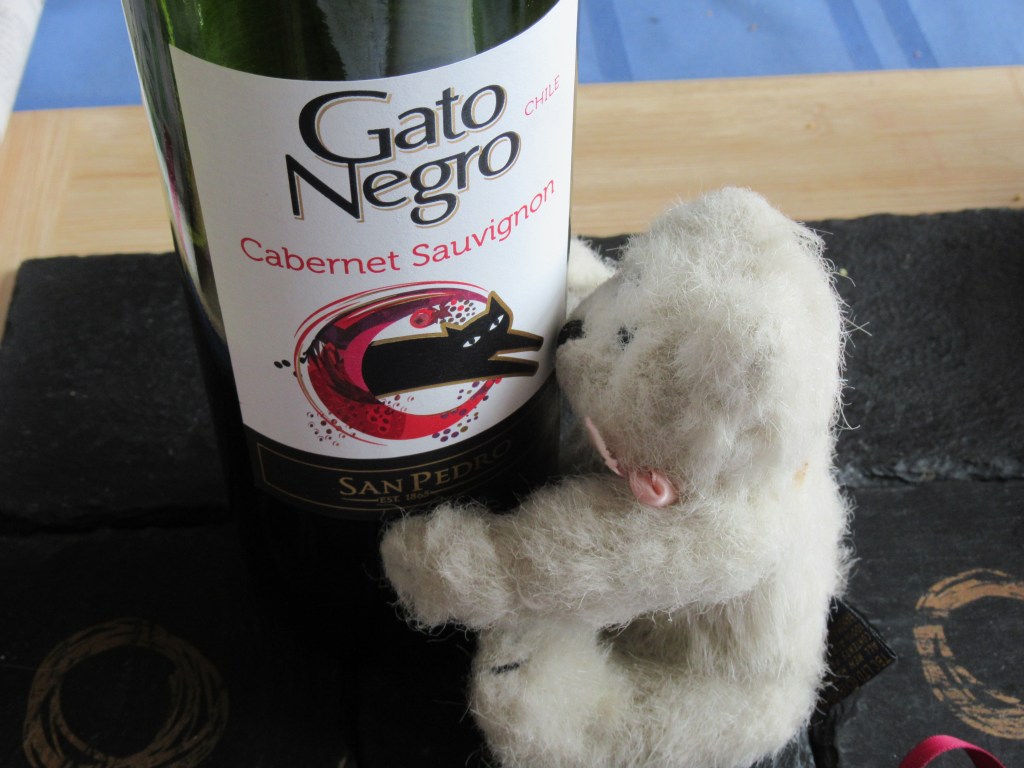
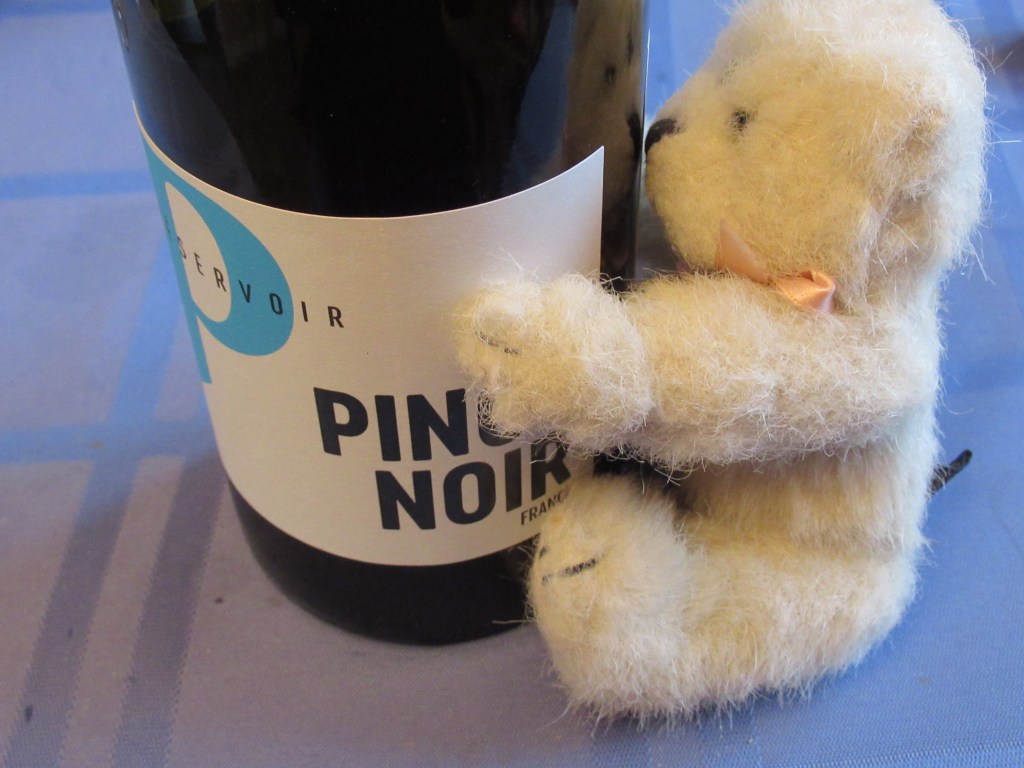
Today’s the day when Teddy Bears
stay upstairs.
They won’t get dressed,
they want to rest.
They deserve a holiday they say.
It’s not a picnic day today.
And on top of it all,
squall after squall,
the rain continues to fall.


Beachcombing
What’s this I see upon the shore?
A pile of books by Roger Moore.
What funny things the tide brings in:
to leave them there would be a sin.
All About Angels, Stepping Stones,
grinding down like old fish bones.
Broken Ghosts and Dewi Sant:
That’s enough to make me rant.
One Small Corner, Nobody’s Child:
I must choose between riled and wild?
But they are ordered carefully
with titles set so we can see.
Books at low tide by the sea?
Someone’s trying to tease me.

Fundy Lines and Sun and Moon:
the Fundy tide will rush in soon.
The Oaxacan Trilogy, the Obsidians too,
what on earth can an author do
when all those books are floating free
like a Granite Ship on a rising sea?
Comment: with many thanks to my friend Geoff Slater who organized this sea-side exhibition of my books and sent me the photos so I could choose which I liked. The exhibition took place on the beach by his home in Bocabec, incidentally. What fun we have when we are in isolation. There is so much to do and artists like us work hard to keep ourselves amused!

Aliens
“I’ve got photos,” I said.
“Fake,” they replied.
“Doctored in photo shop.”
“I’ve got witnesses.”
“Bribed,
and equally deluded.”
“I’ve got letters.”
‘Forged,
handwriting and words.”
“Look,” I pointed.
“They’re out there now.
Looking at you through the window,
dancing, changing color, waving.”
“I can’t see them,” one said.
The others all shook their heads.
And now, they’re going to take me away.
There’s nothing left to say.

Story Slam — Teeth
One of my short stories, broadcast in a podcast out of Vancouver.
Just click on Teeth in the link above. Turn up your volume.
By all means, copy and send to your friends.

Time Folds
Time folds … itself in two or three. A rubber omelet clock, it vanishes over the white water adventure rocks, bending and sliding, folding and unfolding. Riding the waves is ungainly, unseemly. We hang on to ropes, clock edges, reach for outstretched hands, count seconds, minutes, hours, search for meaning …
Further downstream, men and women dance on the bridge at Avignon. Now there are two popes and each one castigates the other, hurling verbal darts, well sharpened, that pierce the thickest of skins. The bridge across the river stands unfinished. It stretches stone hands out towards the other side, but the further shore is distant and the bridge’s fretwork abandons its quest.
Where do we find meaning when seconds, minutes, hours slip down the stream paddled along beside all those hours lost from the clock? Omnia vulnerant, ultima necat: they all wound, but the last one kills. At what time will that final hour suddenly loom and sling its ultimate stone, shoot its outrageous final arrow? Jove’s thunderbolt, sudden, from a cloudless sky? Life’s lead-tipped slingshot and all that we love turned suddenly to hatred? A tremble of the ground beneath our feet? Kangaroos and Koalas burn, setting even more bush ablaze and the smoke from those fires reaches out, out, out, across the bush, across the cities, across the Tasman, across the Atlantic. New Zealand has become the land of the long pink cloud. Now South America is gifted its grey, smoky monsters of grasping hands, those insubstantial nightmares of our childhood dreams, reaching in from the dark to pluck us from our sleep.
On the unfinished bridge at Avignon, the people still dance. In their papal palaces, the partisan popes still hurl the insults of their hit and missiles. Somewhere, close, was it in the future or will it be in the past, the Black Death lurks, waiting its moment. The Great Fires of London sizzle and stench from 1666 to 1941 while religious partisans burn each others’ homes. The Spanish flu invades the trenches and kills more men than the war will ever manage.
Turn your face to the wall, my darlings, as the gentlemen go by. But what do they bear in their hands, those gentlemen, in their minds, those unsubtle warriors of a crazy game that leads us onward, merrily, merrily, not so gently, down what stream, over what waterfall, and into which of the many perils that lie in wait?

Sheep
I wear the hide of the sheep
they slaughtered for me
twenty-three years ago
in Oaxaca, Mexico.
Like a sheep led to slaughter
I wait in the waiting room
along with other willing victims.
Heads down, silent, we clutch
open magazines, but do not
lift our heads or make eye contact.
In World War One, French troops
bleated like sheep as they marched
in tight columns towards Verdun.
They were disciplined and decimated,
one in ten shot for cowardice.
Is it cowardly to sit here, shivering,
glum faced, as we await
bad news and an uncertain fate?
I hate this uncertainty,
this inability to know what
is happening to my body.
Knowledge I can face, but
not doubt’s shadow dancing
like a will-o’-the wisp, and
leading who knows where,
keeping me awake as it did,
last night, stoking my fears
into this red-hot furnace
filled with burning coals
of fierce, fired-up doubt.
True bravery is to know fear,
to face it, and to face it down,
and to laugh in its face even
though your heart is breaking
and your gut tells you to run,
now, before it’s too late.