Lament

Lament
for three brothers
dead before him

“Eric, Phillip, Peter:
why did you leave me?
Why did you,
where did you go?

Eric, Phillip, Peter:
you went out
through the door,
so silent,
didn’t even slam it,
why did you go?

Eric, Phillip, Peter:
I hardly even knew you,
the house, my life,  
so empty without you,
shadows so scary,
why did you leave me,
where did you go?

Eric, Phillip, Peter:
vacant and silent,
lonely the house,
such a big world
without you,
so full of menace,
so full of woe,
why did you leave me,
why did you go?”

Can you tell me …

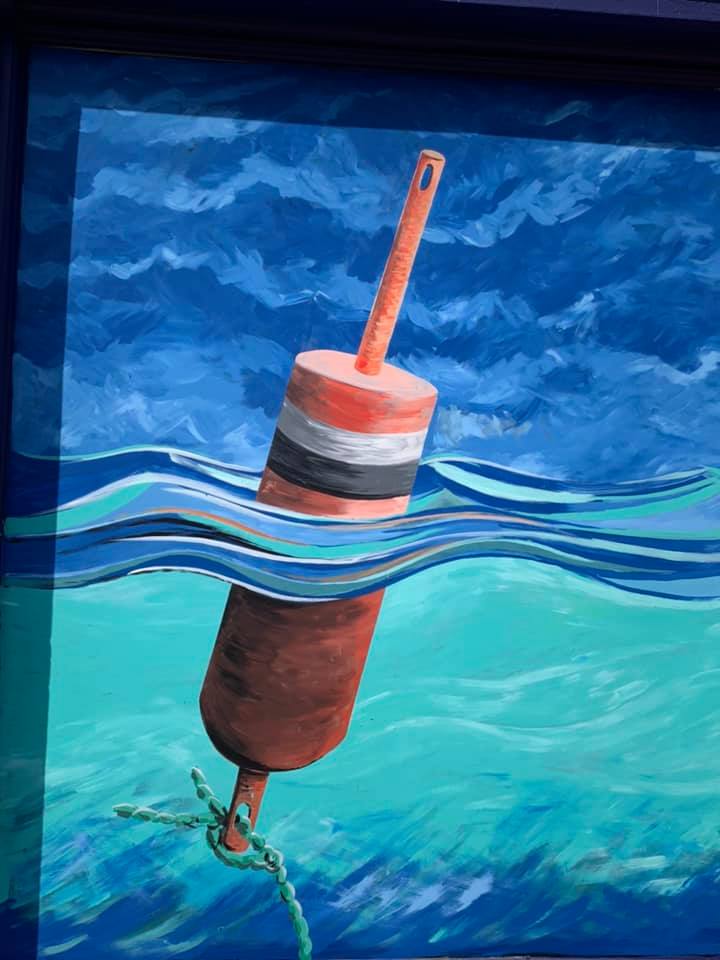
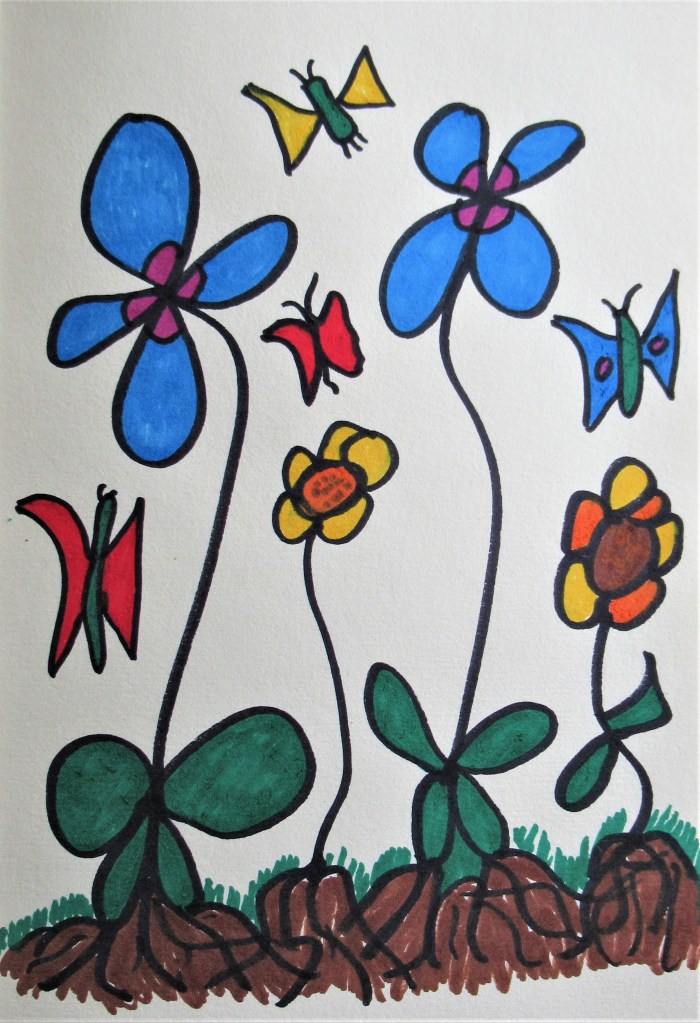
Painting by the very talented
line-painter, Geoff Slater

Can you tell me …

… why an incoming wave
is a flash of a handkerchief
an invasion of white water,
a hand at dockside waving good-bye?

… why each wave separates,
thrives for a little while,
then dies on the beach,
wrapped up in its lacy
shroud of foam?

… why errant stars fall,
leaving their constellations
to wander the world alone,
each shooting star, a child?

… why a mother abandons that child,
turns her back on her husband,
and looks silent at the wall?

… why, one night, that husband
walks out of his house,
and never returns?

“¡Qué será, será!”

“¡Qué será, será!”

In one room in my head
my mother’s mother
sits with me on her knee
at the kitchen table
playing patience.

Elsewhere, I stand on a stool
beside my father’s mother
helping her to mix the cake
she will later bake
in the coal-fired oven
of the black, cast iron stove.

My mother’s father
sits before the television.
He leans back in the chair,
raises his foot so he can’t see
the adverts on the screen,
and puts his fingers in his ears.

My father’s father lies in bed,
downstairs, in the middle room.
His dog lies beside him,
licking his hand.
We all wait for the death
that has haunted him
since he was gassed
in World War One.

Clare sits at the computer,
following the figures
that track the pandemic.
I sit here watching her,
humming softly to myself:
“¡Qué será, será!”


Blue and Green

“Blue and green
should not be seen
without a color
in between,”
thus spoke my mother.

What did she know
of the Peace Park grass
sweeping spring-clean
to head pond waters?

Didn’t she sense the frail
brown fringe of rock
scarfing between green
grass and head pond blue
or the white caps lacing
cow parsley on the stones?

I know she knew nothing
of yellow and red leaves,
brown spotted like an old
man’s hands, freckling waters,
fretting at the fragility
of nature’s delicate balance.

Forget-me-not

Forget-me-not

sitting in the kitchen
crouching by the coal fire
hands quite warm
back quite cold
checking the windows
peeling back the curtains
blackout curtains
frayed and old
looking at raindrops
sliding down the windows
chill greasy raindrops
grey and cold

wondering who wants me
wondering who loves me
wanting my teddy bear
longing for my pussy cat
wanting my little dog
longing for his tail wag
so much missing
my nose so cold

now I am seventy
everything has changed
changed town and country
changed clime and weather
everything is different
nothing is the same
longing for my childhood
longing for my home land
watching the ocean
that comes rolling in

ocean of waters
ocean of memories
ocean of people
now long departed

Comment: Rhythm is everything here. I have just re-read The Sing-song of Old Man Kangaroo from Just So Stories (Rudyard Kipling). My mum and dad gave me copy when I was seven years old. Did they really think I could read it and understand it at that age? Whatever! The rhythms have stayed with me all my life and today I tried to reproduce them. My soul and my fingers danced as I thought of old man kangaroo and how he lost so much to gain so much. And what of the Elephant’s Child with his insatiable curiosity? I lost so much when I came here to Canada but I gained so much from this wonderful country. I tore my world apart then put it back together. How to explain it? It may not be explicable.

My Grandfather’s Chair

18581930_1306791786107970_4016640231053970709_n

My Grandfather’s Chair
For Margie Goldsmith

“Write about that chair,” Margie said,
and I wondered what was in her head.
How can I write about that chair
when those who sat in it are not there.

Before the coal fire my grandfather sat,
snoring away, on his lap slept the cat.
At three years old, I climbed that chair,
and blew on the bald spot in his hair.

So many things we no longer know:
my grandpa did the same thing, years ago,
and years before that, his own grandad
did just the same to make his old man mad.

Now I, in my turn, when I drink deep,
like to sit in that chair for a little sleep,
and my grand daughter, there’s no grandson,
climbs up that chair, as others have done,

and sees the bald spot in my hair
and blows and blows as I snooze there.
The years roll back and I see the smiles
of generations woken by a young child’s wiles.

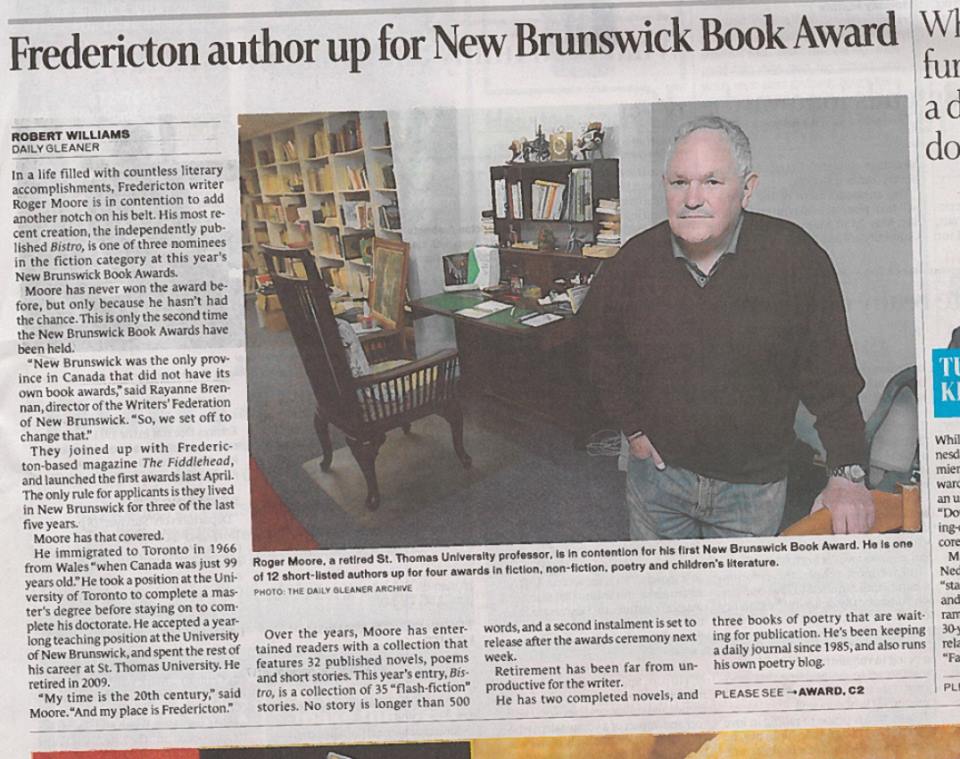
Comment: Talking the other day, I mentioned my grandfather’s chair, the only piece of furniture rescued from my parents’ house, and Margie said I had to write a poem about it. So, last night I did. The result is something very different from what I normally write. This is what in Spanish is called an occasional poem and it celebrates a specific occasion, a specific set of circumstances. Thus, it is written under different rules, rhyme, rhythm, stanzas. It is always an adventure to write something suggested by someone else. Poems like this cross the boundary between poetry of play (which this is) and occasionally enter the realm of poetry that expresses the authenticity of being which, to a certain extent is present in this poem too. The above photo, from our local newspaper, The Daily Gleaner, is the only one I have of the chair which resides in the basement where I keep my books. The article is an old one (2017), but the photo is nice!

On Learning Welsh


IMG_0094

On learning Welsh

Welsh
is a key to my childhood.

Every day I learn something
about myself and my upbringing.

It’s not the need to talk
so much as the necessity
of diving into myself
and mining my memories.

Brynhyfryd / Mount Pleasant.
Ty Coch / the Red House.
Pen-y-Bryn / the Top of the Hill.

This latter the house
in which I was born.
No room in hospitals
for war time babies.

All of my wartime family
born in the same in-the-country
Gower bed.

Three of my brothers
did not survive
those rough, household births.

I still bear the forceps’ scars.

And I still bear the scars
of carrying my brothers
with me all my life.

A long and difficult
and very private history.

But it’s mine
and I embrace it
and I love it,
with all its warts.

Comment: The photo is of the dragon in Kingsbrae Garden. I think of it as a Welsh dragon … Y ddraig Coch … the Red Dragon of Wales, but of course, it isn’t. Anyone can write easy poems: Twinkle, twinkle, little star … it’s the hard, gut-wrenching stuff that’s hard to put down on the page. My close friend, Margie Goldsmith, encouraged me to write this. Thank you, Margie. Thank you for caring. This is indeed my life ‘… with all its warts …’ It’s easy to wear rose-tinted glasses and see everything as ‘for the best in the best of all worlds’. However, it’s more difficult to grovel on your knees, in the trenches, and to come face to face with the stark realities of who we are and where we come from. Thank you, Margie, for helping me and encouraging me to do just that.

Keeping Score

Avila 2007a 035 (2)

The Score

It’s the old conundrum:
you place one grain of wheat
on the chessboard’s first square,
two on the second,
four on the third.

And so on and so forth,
eight on the fourth,
sixteen on the fifth.
Now close your eyes
and make a wish:
“Let all these pandemic victims go.”

Alas, no.
You must sit and watch them grow:
32, 64, 128,
and that’s the first rank done.
Seven more marching ranks to go.

256, 512, 1014,
Lord above: how many more?
2028, 4056, 8112,
what on earth can people do?
Wash your hands, stay inside,
and hope your best friends
haven’t died.

Doubled again
that’s even more:
16 thousand 224.
Upon this rank
just one more square
sees 32 thousand
lying there.

How many more,
how many more,
and each death ringed
by family and friends.
This week it seems
death’s dance will never end.

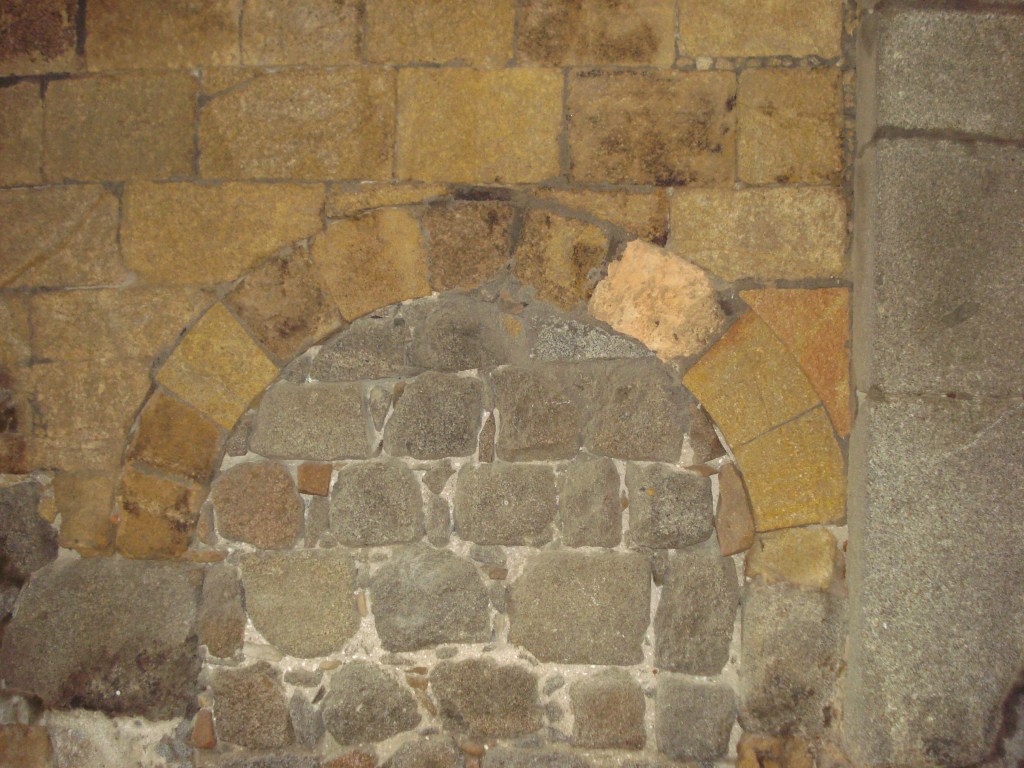
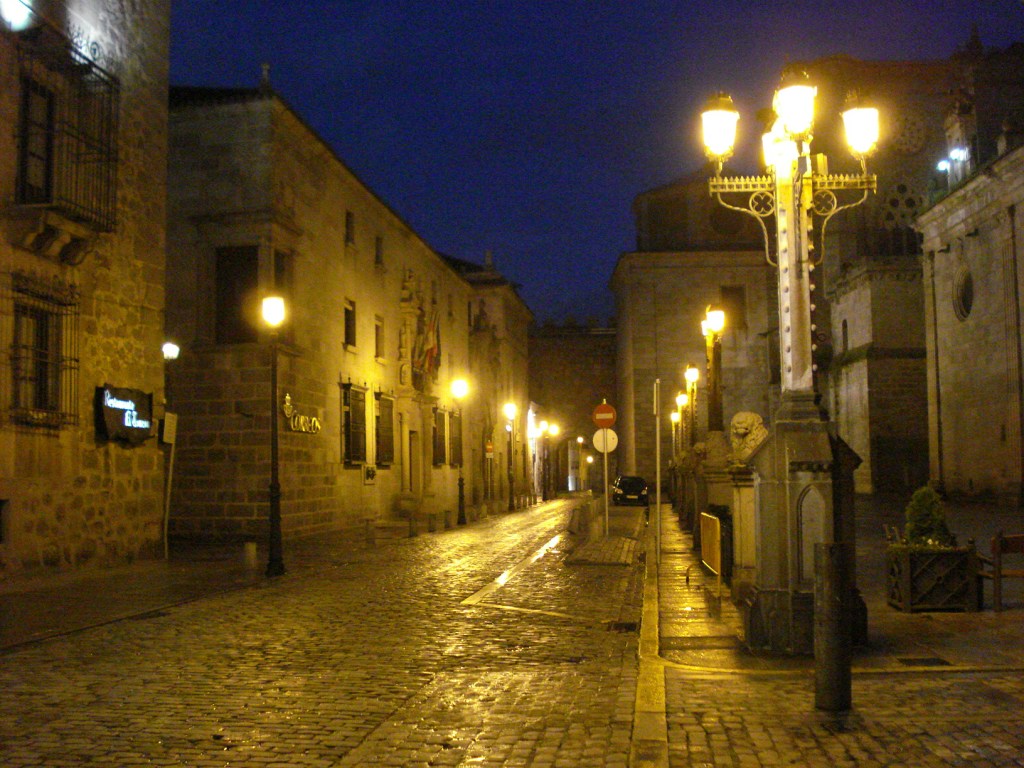
Comment: La Calle de la Cruz / Street of the Cross, shown in the above photo, runs past the cathedral of Avila. It is also known locally as La Calle de la Vida y de la Muerte / the Street of Life and Death as it seems duels were sometimes fought there. It seemed an appropriate photo to accompany this poem which speaks of the seeming lottery, with its winning and losing tickets, in which we are all currently involved. The lower photo, incidentally, captures a stone mason’s mark carved into the face of the cathedral in Avila.

When writing the poem, I repeated the numbers naming them with their single digits, thus: 256, 512, 1014 becomes two five six, five one two, one oh one four (line 14). This allowed me to manage rhythm and rhyme. In my mind I always associate  rhyme with reason, but in this current pandemic, I can see very little reason. I guess, as I wrote in one of my earlier poems, ‘there are so many ways to die’. I just hope Corona Virus isn’t one of them. No, I don’t want to live forever, but hell no, I don’t want to die just yet! Keep safe, keep well!

Avila 2007a 039