Heroes

IMG_1203 (2)

Heroes

In 1898, when Spain lost Cuba, they lost the last vestige of their world-wide Empire and were forced to turn back in on themselves. Miguel de Unamuno, along with other artists from the Generation of ’98, turned to the concept of intra-historiaHistoria / history means the great historical events, battles and conquests, kings and kingdoms (how male it all was!). Intra-historia / intra-history meant the every day lives that ordinary people led, lives that had remained basically unchanged for centuries, except when the men who made history rode through.
Do the small things in life: that’s all most of us can do and have done, throughout the centuries. And we are the true heroes, certainly of intra-history, you and I, and people like us, because we have worked all our lives at our daily tasks, we have brought up our children, we have made the small, micro-world which we inhabit into a better place. Intra-history is dedicated to the house-wives and the house-husbands, heroes all, who have done those small things in life, walked the dogs, fed the chickens, milked the cows, gone out to work, day after day, to put food on the table, delivered and brought up the children, looked after the sick, assisted the dying on their departure from this world, buried them, and given them peace. Heroes all, especially in these times of troubles, I salute you. 
Nurses, health care workers, pharmacists, ambulance drivers, supermarket workers who allow us to bring the food to the table, care-givers, cleaners, garbage men, street-workers, heroes all, I salute you. It is time the ‘little people’ reclaimed their world and took it back for the REAL people, the real heroes.
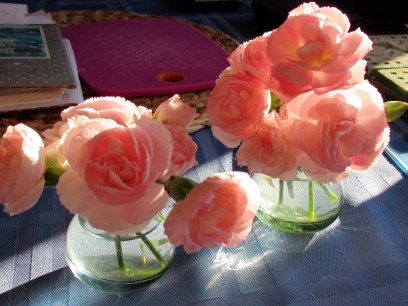
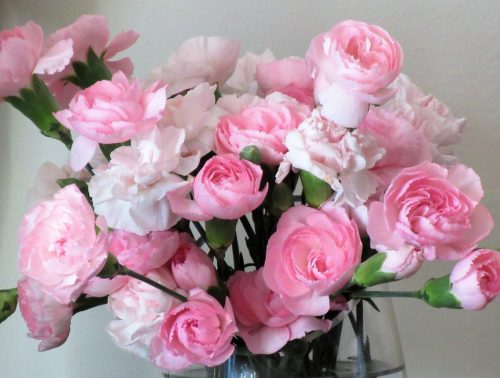
So, my heroes, be brave, battle on, and accept this floral tribute.
cropped-img_0172.jpg

Bleeding Heart

IMG_1338 (2)

Bleeding Heart

White moths
wing their snowstorm,
pale stars through the night.

A candle flickers in the darkness.
Hands reach out to grasp me.
A feathered shadow flies
frail fingers across my face.

Butterflies
stutter their eye-lash kisses
against closed cheeks.

Awake,
I lie anchored by what pale visions
fluttering on the horizon?

Eye of the peacock,
can you touch what I see
when my eyelids close?

Black rock of the midnight sun,
blocking this day’s dark cave,
when will I be released
from my daily bondage?

Last night, the planet
quivered beneath my body
as I felt each footfall of a transient god
who mapped in runes
the ruins of my bleeding heart.


IMG_0811 (2)

Comment: Another Golden Oldie, also dug out from the rejection / dejection of striations. I tinkered with it this morning. Funny what a shift in structure and a twitching of the metaphors will do. New lamps for old: indeed, and why not? We are not just writers, we are re-writers and some thoughts can be reworked to rise again in the shadows of the adopted children that are our poems. This bleeding heart plant vanished a couple of years ago. We dug up the flowerbed, inserted a rockery, and watched and waited. After two years, the bleeding heart plant resurrected itself from within the stones. Survival, renewal, faith, hope: key words nowadays. Who locked that plant down? Who let it rise up again? When we have gone, how will our gardens get on without us? Very well, in all probability, but they may be more of a tangled garden than a cultivated one. And what’s wrong with a tangled garden? Why, nothing at all, my friends, absolutely nothing at all.

image5

Doing Time

IMG_0687 (3)

Doing Time

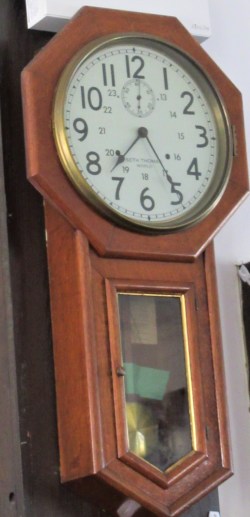
Time bends like a boomerang,
flies away,
comes flying back to
the thrower’s hand.

Endless this shuffle.
Unmarked days
drop off the calendar.

Hands stop on the clock.
The pendulum
swings back and forth
but nothing else moves.

‘As idle as a painted ship
upon a painted ocean.’

Yet the seas seem to move,
the winds seem to blow,
the sails seem to swell,
while our garden
fills with birds
and squirrels,
light and dark.

Morning ablutions.
Each day is a twin
of the day before.
Like wise each week.

The TV screen fills up
its washbasin of tired
looking faces bore us
with their endless wisdom.

Time hands heavy:
an albatross around the neck,
or an emu, an ostrich,
a flightless dodo,
an overweight bumble bee,
too heavy to fly.

Comment: An interesting article that I read today suggests that the lock down is bending time out of shape and that we need to adapt our minds and our body clocks to a new temporal reality. Seconds hang heavy. Days present the same routine. The routine makes the divisions between each day seem irrelevant. This is what my Spanish friend and teacher, the poet José Hierro, meant when he wrote about his time in jail as a political prisoner after the Spanish Civil War: “El tiempo aquí no tiene sentido” / time in here has no meaning.

A similar effect is noticed by those of us who were imprisoned in boarding schools from an early age. The first day back, we draw a railway train at the beginning of a long track and we number each day from the beginning of term. Then we cross off the days, one by one. Often, before the first week is even over, we forget about counting the days: they are all the same, lookalikes with a rhythmic similarity that sends us to sleep as routine takes over and we sleepwalk through life.

How important is time? How important is it to distinguish Monday from Wednesday, Friday from Thursday, this Saturday from a week on Sunday? It becomes less and less important. The TV chatters on and on. The shows we follow illuminate our days. I turn on the radio at five on Friday for Cross Country Check Up, which airs on Sunday. I go without breakfast and don’t even notice that I haven’t eaten. I make a cup of coffee and it sits there on the table with the cup of tea that I forgot to drink this morning. Each time I take my tablets, I write that fact down so that later in the day, I can check that I have actually taken them. The notes mount up and the bottles of tablets run down. Each mandarin orange has a tiny key and I wind those oranges up so they will go tick-tock as I eat them. My Teddy Bear has an alarm clock between his legs and a flashlight in his ear so that I can tell the time on cloudy nights when I can no longer see the Platonic dance of the rotating stars.

Garbage Day

image1 (17) - Copy.jpeg

Garbage Day
(1789 AD)

all the dustbins
dancing down the street
trying no doubt to achieve
a spring time copulation
so they can give birth
to even more dustbins

you can’t have a revolution
without dustbins
dusty … dusty … filthy
dusty dustbins
a sadistic way to look at
dustbins full of sawdust
heading off down the street
between potholes
and blowing bins
a right Danse Macabre
conducted by
St. Vitus

me sitting there knitting
Montreal Canadians
this Red Cap
I keep flying high

even though I stand
upon Gibraltar’s Rock so fair
not to mention Paris
the Place de la Bastille
with tumbrils rattling

Old Moll in a Moll’s Cap
toothless fairy
at a Goblin Party
watch out
for toad s’tools
[sick this poem
this joke

and all that’s in it]

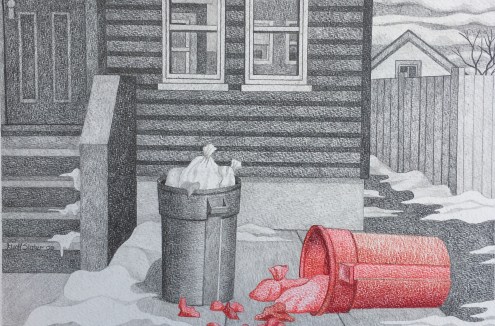
Comment: A wonderful drawing by my friend, line painter Geoff Slater. The poem, of course, represents the garbage in (and out of) the garbage can. 1789 is the date of the French Revolution. I found this poem in my discard file, so it was one of those that didn’t make it anywhere. Maybe it shouldn’t have made it here either. But it takes all sorts to make a world and Geoff’s red dustbin reminds me of the red caps knitted by the old women beneath the scaffold and the guillotine. Funny things, guillotines: invent them and they drop on you when you fall out of favor. There are so many allusions in this poem that I am ashamed to say I remember them all, and not all of them are pleasant. Mind you, few things are pleasant nowadays and remember: it is better to leave your dustbins out to roam the streets and be plundered by the crows and swept away by the high winds than to leave them festering and smelling bad and all cooped up in the locked down garage.

Settling Accounts

Empress 314


Settling Accounts

How did I earn my money? Let me count the ways.
Of madmen, priests and preachers, I sang the praise,
sinners all who tried to change my ways
by grooming me in all their awful styles
to share the sadistic rhythms of their wiles.

Then there were bosses, CEOs, and chief execs,
whose aim in life was troubling their employees,
the men for unpaid work, the women for sex,
and while we slaved, they lived a life of ease.

Senior teachers, department heads, and deans
reduced all genius to counting and recounting beans.
Those bean counters checking up on us, every hour,
flexing their muscles, overwhelming us with power.

Sometimes, at night, my nightmares fill with screams
as their abuse and privilege shake me from my dreams,
my dreams of freedom, sharing, caring, love, and joy,
all the small things I’d taken for granted when a boy.

In a twisted, corkscrew world we all must live
where the richest rob the poorest who work and give.
And even more shall be given to those who hold
while those who have-not labor and are sold.

A sad world this, but some things remain with me:
my power to dream, to create a legacy,
to mold still willing people with my voice,
to gift them beauty, thought, and power of choice.

Oh dreamers, join with me and sing, be it high or low,
but don’t forget your dreams, don’t ever let them go.

Comment: I went to pick up groceries today and sat in line, waiting in the car, rear hatch open, for 30 minutes. Unwilling to waste my time, I decided to write a poem. Oh dear: I had left my note book at home. I rummaged around the car and found a redemption slip from two years ago and a bank slip from last year. I wrote two poems, one on each of them, each poem thematically linked to the slip of paper it was written on. This is the bank slip poem. I’d say “Enjoy” except that this is what the waiter / waitress says each time s/he places a particularly unpalatable meal before me. Luckily this cannot happen anymore and I am eating delightfully well at home, thank you. I am not a Cordon Bleu Chef by any means, but I am a good one, having learned at my Welsh Grandmother’s knee when I was a tiny tot. Supper tonight: salmon and leek and potatoes! Cost: about $5. It would have cost fifty in a restaurant and it would have been half as good. So count your blessings: cooking and creativity are two of mine and yes, every time I look at what I have and see what so many others are missing … I break my heart.


img_0003

Beaver Pond

IMG_1304 (3).JPG

Beaver Pond at Mactaquac
for my beloved 

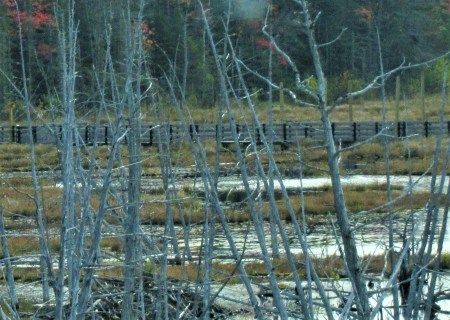
Beaver Pond, Mactaquac, on a fine spring day:
so sad to sit here knowing you can no longer
walk the trail. I remember the sun on your hair,
white, a flag of surrender to old age besieging
your mind and body. It cannot be seen on the board
walk where you stopped to commune with newts,
frogs, birds, fish, ducks, and the great blue heron
you disturbed. Remember? He rose from the reeds
with an anguished cry and a crack of mighty wings.

The wind in Island View is chill today, not a day
for walking in the wild. Monday: men arrive in a truck
and haul our garbage away. So much detritus,
such a mess at the roadside as winter ends and spring
brings thoughts of freedom to roam beyond spells
of ice and snow. Memories: I pack them into a green
green plastic bag and stuff them in the dustbin.

I want to be free. I want you to be free. I want to sit
and watch you wander, like you did last summer
contemplating the multiple meanings of grass, sun,
bird-song, herons, ospreys, beavers, their lodge,
this dam they constructed, this pond in which
they swim, nocturnal creatures, who live far away
from this lock-down and from our silent visits banned.

IMG_1318 (3)

Daffodils

IMG_0617

Daffodils

My daffodil day-dreams carry me back to Wales, that Land of Song where every valley conducts choirs of daffodils and their pale, brass voices are raised in an annual springtime hymn of hope. Beneath the trees, in Bishopston Valley, between Pyle Corner and Pwll Ddu, sheltered bluebells tinkle sweet tunes, lilies-of-the-valley bloom, and primroses raise their faces to the sky while hearkening to those springtime airs that sound where’er you walk. In Blackweir Gardens, the Feeder Brook flows into the castle moat and the castle’s central keep stands on the mound the Normans dug when they converted into a motte and bailey the old Roman camp that was built on an earthworks constructed by the Silures long before that countenance divine shone forth upon these clouded hills and long before the Roman came to Rye or out to Severn strode. Generation after generation, all those who witnessed the birth of these flowers and strove to be the first to hear the cuckoo’s call, come alive again in this floral tribute. Oh, Land of Song: the bluebells may have gone, the larks may sing no more, cuckoo and cowslip may have fled the valleys, but all is not lost, not while the daffodils still toss their heads in sprightly dance and spring breaks out its freckled sunshine.

Comment: Win some, lose some. Survival is all. At the same time as I mourn everything  that is lost, I also celebrate all that survive. The grosbeaks have left us, moving further north as the weather warms. They have left more room for cardinals and hummingbirds have moved in to replace them, as have turkey vultures. Turkey Vultures, Zopilote, The Trickster, in Oaxaca, the bird that flew high up into heaven, stole the fire of the gods, and brought it back on his wings, now flies over the St. John River Valley, having moved up here with the warmer air from the south.

“The olde order changeth lest one good custom should corrupt the world” … indeed it does. And we must mourn and celebrate the olde order while preparing for, and celebrating, the arrival of the new. For the world has changed and is changing as I sit here and type these words and it will have twitched and changed again by the time you read them. Who knows exactly what is coming? How do we prepare for the unknown? How do we open our arms and embrace an uncertain future? Good questions all. I cannot answer them for anyone but myself, but I must ask them. Many of them were discussed today by Suzanne Moore in an article entitled: The way we once lived is now redundant. We must reinvent ourselves. Read it and start thinking about how we can be strong, daring, caring, and best prepare ourselves, not for our own extinction, but for our own reinvention.


Southern Platform

Southern platform2.png

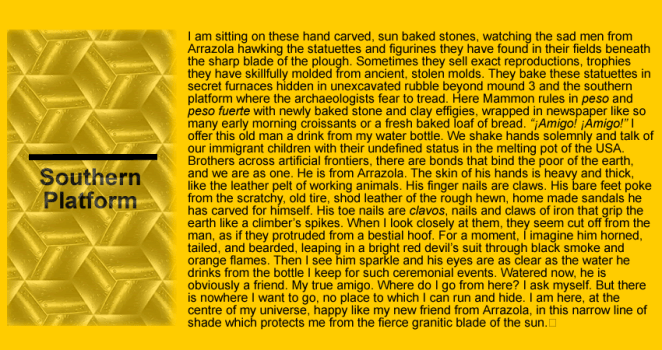
Comment: The wind that whistles through Island View today carries snowflakes and ice pellets that pitter-patter across the window. The wind brought in clouds, grey wisps of drapery that curtained the sky. When the wind falls silent, the trees continue to wave and thereby fan the air into action and the wind starts up again. Yellow sunshine, warmth, the sun in Mexico, in Oaxaca, in Monte Alban where the danzantes dance in stone and my friends and I wander at will among sunshine and shadow. On grey days like these when I crave the sun, I conjure images of Oaxaca, its warmth and its mysteries of mescal, that early-morning spinner of inner myths, word music, and magic metaphors.

Sounds of Music

IMG_0147

Sounds of Music

Sounds of music everywhere, and in Cardiff now the black weir gurgles with laughter as you stride along. Gravel crunches in rhythm with your footsteps and the song birds invent new ways of singing their same old courting songs. Nesting birds pair up and sing about the joys of nesting. Beneath the trees, the Daffodils – Taffodils sway to the wood wind’s delicate fluting. A lace of golden lover’s hair, they curtain the sky above you as you climb the embankment, up and up, until the River Taff flows beneath you. Black and swift and deep and swollen with the last of the winter rains, the river surges along, its face freckled with sunshine.  The Taff, they say, cradles, as it murmurs its own sweet river song, the finest coal dust from the Rhondda Valleys and carries it out to be reborn in the sea. Here, in the river, fish and eels swim eyeless, so the fishermen say, as they gesticulate with brimming eyes and empty hands, weaving with hollow wind words mystical stories of the mythical salmon that were hooked, but lived to swim another day.

img_0146-3

Comment: A crazy cartoon with a stick man dancing to music that occurs just off the screen at the side of the page. He dances unseen, unheard, as the deer dance at midnight, on their hind legs, reaching for bitter berries wintering on the mountain ash, as the sunlight dances when speckled trout rise to snap at flies, as my heart dances when my beloved walks into the room and lights my world with a smile. Spring in Wales: so far ahead of us as we languish here, on Canada’s East coast, hoping that last night’s minus temperatures will stagger to zero and then surge upwards into plus and double plus. Meanwhile, the grey squirrel chases away the red squirrel who frightened away the chipmunk, my beloved’s pet chipmunk for whom she put out the early morning seed to comfort him on this fresh frosty morning with its chill wind dancing between still-barren trees.

Lamplighter


img_0218

Lamplighter

When I was very young, many of our streets still had gas lamps.  The lamp-lighter would appear in winter around three or three-thirty to light those lamps. I remember him walking up the street with his long pole over his shoulder, moving from lamp to lamp. We had one outside our front door. He would turn on the gas, then light the lamp from the lighted wick at the end of his pole.  Sometimes he carried a ladder with him. Then, every so often, when the lamp needed tending, he would climb the ladder and adjust the wick. These gas lights were not very bright but they stood out like light houses between stretches of darkness and we would walk from pool to glowing pool, as if they were stepping stones leading us up the hill to home. We all knew the lamplighter and he would often wave to us as we sat in the front room window to watch him walk by. We rarely saw him in the mornings when he came back to turn off the lamps. We were all tucked safely into our beds. I remember that I wanted to be lamplighter. Later I realized that there are many ways to light a lamp and spread brightness through the world. When I qualified as an academic and a teacher, I became a lighter of a very different set of lamps.

IMG_0262

Comment: I discovered this prose poem in an old and dusty manuscript. I can’t even remember when I wrote it. Prose poems: I discovered Charles Baudelaire’s Petits Poèmes en Prose in a small bouquiniste along the banks of the Seine when I studied French in Paris during the school year I spent in France, 1962-63. I have always loved his prose poems and I have always wanted to write some of my own. That I did, and then promptly forgot about them, is one of the wonders of my creative life. How could I forget these creations? Funny: reading what I wrote back then takes me straight into the front room in my grandmother’s house in Brynmill. She would sit in the bay window playing eternal games of patience and together we would eat grapes, peep at the cards, wait, we didn’t know for what, and watch the light slowly fade. Nobody ever told me my grandmother had cancer. She died from it one day when I was away at school and when I came home for the holidays, she just wasn’t there. Her chair and her table were still there, but her warm presence, her loving kindness, had all gone. I never had a chance to properly say good-bye to her. Maybe these belated words will serve that purpose.