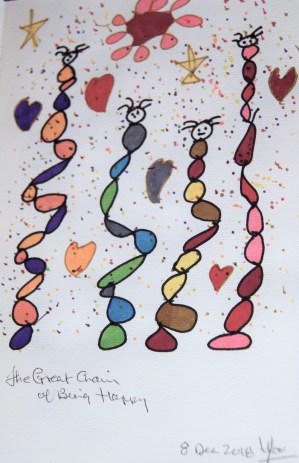
The Great Chain of Being … Happy
The Great Chain of Being, a concept applied to Medieval Literature by Arthur Lovejoy, suggested that all beings are related in hierarchical structures that link them from top to bottom in an ordered chain. I have always liked that idea and see myself as one among many voices, past, present, and hopefully future that feel and write about the joys of living on this wonderful planet that we inhabit. This thought immediately poses the question: do we write from joy or sorrow? Obviously, it depends upon the individual. Equally obviously, we can write from joy at one stage of our career and from sorrow in another stage.
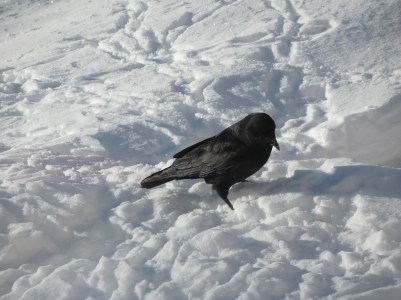
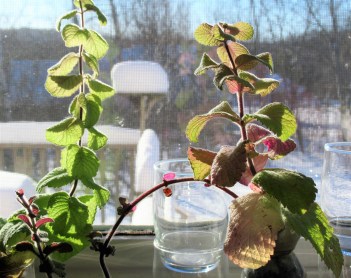
Antonio Machado phrased it this way: En el corazón tenía / la espina de una pasión. / Logré arrancármela un día: / ya no siento el corazón. I felt in my heart a thorn of passion. One day I managed to pluck it out. Now I no longer feel my heart. Machado is a seemingly simple poet, but that simplicity is oh-so difficult to translate and imitate. So: what happens if we write from that interior passion and then, one day, we wake up and the passion has gone? Good question. Some people stop writing. Others take to drawing. Others take photographs. In my case, I have sat in a south facing window just gazing at the sunshine reflected off the snow and pottering through my favorite poets.
Francisco de Aldana is one of my favorites and I am drawn to reflect on these lines: Hallo, en fin, que ser muerto en la memoria / del mundo es lo mejor que en él se asconde, / pues es la paga dél muerte y olvido. I finally discover that to be dead in the world’s memory is best of all, since the world’s wages are death and forgetfulness. While these words will seem gloomy to some, to me they express the joys of retirement, the wonders of just sitting and looking out of the window, the escape from the necessity to produce, to achieve, to be ambitious, to grow a career, to drive myself on and on. “What is this life if, full of care, / we have no time to stand and stare?” Words of wisdom from the Welsh poet, W. H. Davies.
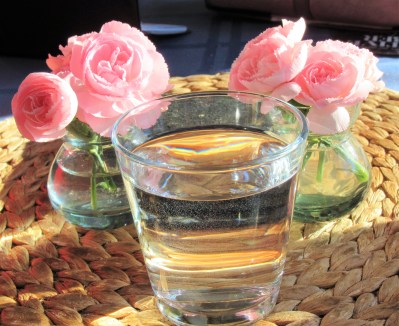
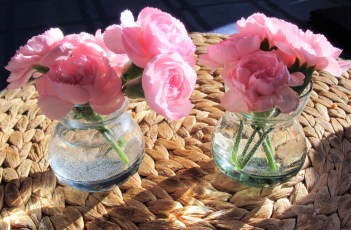
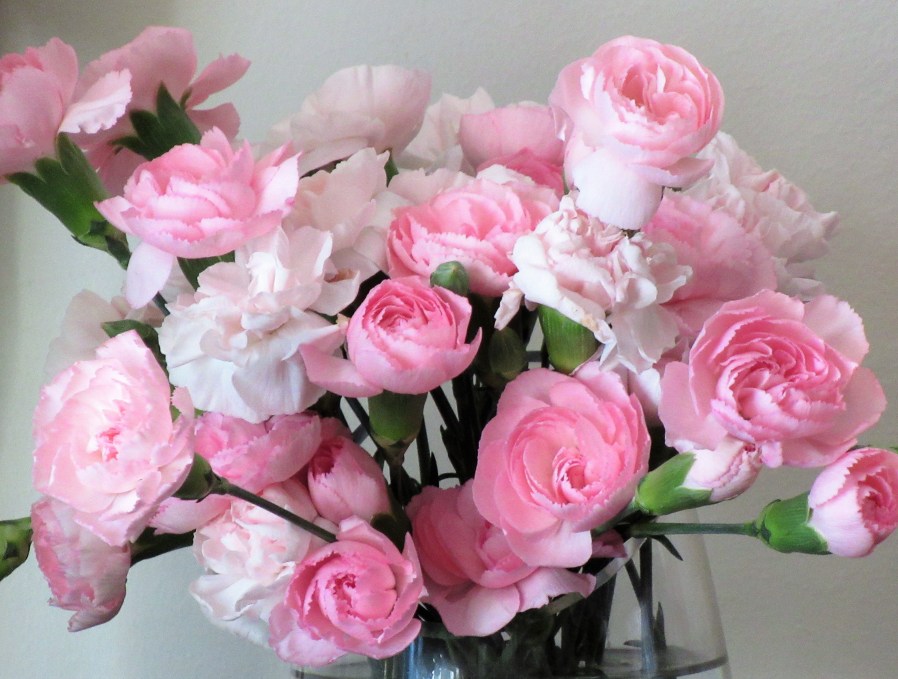
When I sit and stare, I also think, observe, and remember. And I see things I have never seen before: how light changes the world, how sunshine falls on the petals of flowers, how texture is changed by changing light, how light slips through the fingers like water or sand. The end result is an inner peace that accepts things for what they are and the world for what it is.

In my privileged case, and I realize just how lucky I am and how fortunate I have been, I have grown to appreciate the tiny things, the small achievements. And small things now satisfy me: the completion of a crossword puzzle or a jigsaw, the nature of light, the beauty of an orange, peeled and tasted, its life blood still fresh upon my fingers and gracing the air, words prancing in lines and chains across a page, the dance of shadow on wall.







 rogermoorepoet