Obsidian’s Edge 22

10:00 PM
Alone at the Table
Memories of Home

IMG_0315.JPG

1

Salt on the sea wind sifts raucous gulls in packs,
breeze beneath wings, searching for something
to scavenge. Seaweed. The tidemark filled with
longing. A grey sea crests and rises. Staring eyes:
stark simplicity of that seal’s head filling the bay.
Next day, his body stretched dead on the beach.

The river runs rocky beneath the covered bridge.
Campers have created first nation’s rock people,
heaping stone upon stone. At low tide, on the dried
river bed, there is no easy way to say no. White foam

horses in the farrier’s forge stamp and surge. A cold
wind blows at Cape Enrage. Wolfe Point sees late
gales transform the beach: the sandbar carved:
a Thanksgiving turkey, stripped to bare rib bone.

Dead birds sacrificed, so I can lie here in comfort:
my eiderdown is stuffed with dull dry winter coats.

2

Gold and silver, the last breath going out of him,
this warrior destined to dance before a cruel sun.

His ultimate spoken threads, so delicate, so thin,
they run, blood and water, through his pierced side,
sorrowful beneath the spectator’s stare. Ice cold,
this water on which he no longer dares nor cares

to walk. Rich silk: this tapestry woven with another
man’s words. Ghosts shunt back and forth across ice.
Late autumn mists confuse the paths, leading nowhere.

 DSC02548.JPG

Obsidian’s Edge 21

9:00 PM
Mass in the Courtyard
St. Cecilia’s Day

IMG0048_1 2.jpg

1

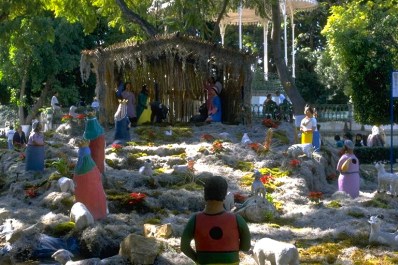
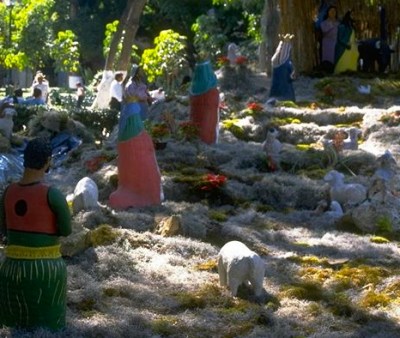
Straw
waiting in the manger

fine layers of sand
silted sorrow
strewn across the yard

eleven musicians
shaking the same traditional
salt and pepper tune
conch pipe and drum
over and over and over
again

IMG0072_1.jpg

2

a mass without mescal
a meal without wine
a day without sun

dark face of thunder

a stranger
pouring for a stranger
brown hands
offering grace

Tom Thumb sips
minuscule cups
thin paper crumbling
pinched between
finger and thumb

mescal’s fierce fire
burns a fiery ball
searing
throat and belly

3

candle light sputters
shadows on name-
forgotten half-
remembered faces

ancestors
long-buried
walk among shadows

fading flowers
gathering freshness
a cross
a crowded room

4

black blades
paper cuts
sharpened
blades of grass

thin
ribbons of blood
tongue slit open
ready for sacrifice

cactus pierces lips
mustache of thorns

5

stones under flowers
so heavy

IMG0046_1 2

a moonbeam,
slips its knife
between
a vow to forget
a memory that survives
living forever

6

shoe-less the people
standing on temple steps

noses ears lips
pierced
thorns
drawn from cactus
thrust through flesh

7

eyes of Tlaloc
Tecolote beaked and ready

the hole in the sacrificial frog
fills with fresh blood

round bundles wrapped
and tied with large knots

8

Christ
stripped from this flower
-ing cross and re-
placed by red roses

town’s beating heart
el corazón del pueblo

mass in the courtyard
St. Cecilia’s Day


Obsidian’s Edge 20

IMG0075_1.jpg

8:00 PM
Evensong

1

a skein of blood
reels its life out
vein by vein

he struggles
in vain
at the end of his crimson
lifeline

a weaver
unwinds him

then weaves him
into another pattern

2

left right left
he marches
onwards
along the edge

towards the brute
black knife

3

the key in his back
winds up
his pendulum legs

tick-tock
his heart

a time bomb
waiting to explode
its crimson flower

IMG0137_1

4

An overflowing river of rouge,
a great red gong,
this plucked out heart
palpitating in the outstretched palm.

As orange as an orangutan,
its pendulum, once shivering
from rib to rib,
now spattering the worshiping crowd.

5

White birds gather piratical thoughts.

Etiolated crossbones,
bleached skulls,
avian blossoms,
they fly home to roost.

6

Deep-pooled river of unsought sunshine,
this leaf light flowing,
its tears torn from tresses
drift to the ground.

Wild surge of bells,
flourishing their flowery sounds,

blooming and booming on the church
tower’s rocky cliff.

7

The cricket
activates its trigger of song:
bright flashes sound sparks
from tree to tree.

Soft flares this evening air,
this kingdom come,
so soon to be upon us.

IMG0076_1 2.jpg

8

Thick with an anonymous flame,
the tongue you parrot
ties itself
to a flesh and bone
cage.

Writing or Re-Writing? 5


IMG_0130 copy 4.jpg


High Tide exists in two separate forms under two different names: (1) the prose poem High Tide and (2) the poem, Though Lovers Be Lost. The title of the poem comes, of course, from Dylan Thomas.

High Tide     

High tide in the salt marsh and now you are a river flowing silver beneath the moon, your body filled with shadow and light. I dip my hands in dappled water. Twin gulls, they fly down stream then perch on an ice floe of half-remembered dreams. An eagle with a broken wing, I am trapped in this cage of flame. When I turn my feathers to the sun, the black and white of a convict’s bars stripe my back.

Awake, I lie anchored by what pale visions fluttering on the horizon? White moths wing their snowstorm through the night. A feathered shadow ghosts frail fingers towards my face. Butterflies stutter their kisses against the closed lips of shuttered eyes and mouth. Hands reach out to grasp me. A candle flickers in the darkness and I am afraid.

Who mapped in runes the ruins of this heart? Eye of the peacock, can you touch what I see when my eyelids close for the night? Black rock of the midnight sun, blocking the sky’s dark cave, when will I be released from my daily bondage? Last night, the planet quivered beneath my body and I felt each footfall of a transient god.

The prose poem shortens the verse poem and turns it into a rushing hurly-burly of breathless words strung together by metaphor and magic. They flash and twist this way, that way, like minnows in shallow waters, allowing no time for pause, no time for thought. When I have read the passage in public, the listeners have always looked slightly stunned, bemused, battered almost by the storm of emotion tied into the piece.

The prose poem was published in Fundy Lines (2002) but it was originally conceived as a poem written in stanzas and took this form when published in Though Lovers Be Lost (2000). When the poem is set out in stanzas, it is shaped by the spaces that surround each line. These spaces slow the poem down, allowing the reader to permit the listener, to dwell on each group of words. Obviously, in a silent and private book reading, each one of us will read poetry and prose in our customary way. That said, in a public reading, I usually read the prose slightly faster than I do the poetry. The metaphoric nature of the language stands out in the longer version, and instead of the rush of words (prose), we have a measured resonance that shapes meaning. Impact in prose versus depth of meaning in poetry: I think both forms work in different ways.

In addition, the prose poem has been very selective and has abandoned several of the images and themes that appear in the poem. This increases the sense of urgency and unity while diluting the strength of the metaphors. Although the words are basically the same, the shapes and forms make for two different works, two distinctive appearances.

Though Lovers Be Lost

1
Once,
you were a river,
flowing silver
beneath the moon.

High tide
in the salt marsh:
your body filled
with shadow and light.

I dipped my hands
in dappled water.

2
Eagle with a shattered wing,
my heart batters
against bars of white bone.

Or am I a killdeer,
trailing token promises
for some broken god to snatch?

Gulls float downstream.
They ride a nightmare
of half-remembered ice.

Trapped in my cage of flame,
I return my feathers to the sun.

3
Awake,
I lie anchored by
what pale visions of moths
fluttering on the horizon?

A sail
flaps canvas wings
speeding my way
backwards into night.

A feathered shadow
ghosts fingers over my face.

Butterflies
stutter against
shuttered windows.

Strange hands
reach out to grasp me
and again I am afraid
of the dark.

4
When was my future
carved in each sliver of bone?

A scratch of the iron pen
jerks the puppet’s limbs
into prophesied motion.

Who mapped in runes
the ruins of this heart?

Above me,
a rag tag patch of cloud
drifts here and there,
shifting constantly;

like this body of water
in which I sail.

5
Eye of the peacock,
can you touch
what I see when
I close my eyelids
down for the night?

Black rock of the midnight
sun, rolled up the sky,
won’t you release me
from my daily bondage?

Last night, the planet
quivered beneath my body
and I felt each footfall
of a transient god.

6
Thunder knocks
on the door of my dream
and I am afraid.

I no longer know my way
through night’s dark wood.

Who bore her body
out in that rush of rain?

Could she still sense
the sigh of wet grass?

Could she still hear
the damp leaves whisper?

7
A finger of fog
trickles
a forgotten face
down the window.

The power of water,
of fire, of frost;
of wind, rain, snow,
and ice.

Incoming tide:
stark waters.

Rising.

I would welcome any comments you may have (a) on the difference between the two forms, as they impact you; (b) on the perceived differences between the prose poem and the poetry; and (c) on the perceived revision and thought process that turns poetry into prose, and vice-versa.

Bistro 12 Flash Fiction

IMG_0170.JPG

High Tide     

High tide in the salt marsh and now you are a river flowing silver beneath the moon, your body filled with shadow and light. I dip my hands in dappled water. Twin gulls, they fly down stream then perch on an ice floe of half-remembered dreams. An eagle with a broken wing, I am trapped in this cage of flame. When I turn my feathers to the sun, the black and white of a convict’s bars stripe my back.

Awake, I lie anchored by what pale visions fluttering on the horizon? White moths wing their snowstorm through the night. A feathered shadow ghosts frail fingers towards my face. Butterflies stutter their kisses against the closed lips of shuttered eyes and mouth. Hands reach out to grasp me. A candle flickers in the darkness and I am afraid.

Who mapped in runes the ruins of this heart? Eye of the peacock, can you touch what I see when my eyelids close for the night? Black rock of the midnight sun, blocking the sky’s dark cave, when will I be released from my daily bondage? Last night, the planet quivered beneath my body and I felt each footfall of a transient god.

Obsidian’s Edge 19

7:00 PM
Wingless in Gaza Street

IMG_0177 2

1

amputees
they buzz an unending dance
in the dusty gutter

galley slaves
chained to broken oars
they ply rhythmic
blunt stumps

shorn of strength and beauty
their once coloured shuttles
weave dark circles

my mouth is a full moon
open in a round pink circle
shadowed by a skull

IMG0030_1.jpg

bone and its marrow
settle in subtle ice

2

futile fragility
of the demented heart
pumping the same frequency

fragmented messages
panicked veins

frail beauty
torn from its element of air

this brightness of fragile moths
wing-shorn
drowning in the inky
depths of the gutter

IMG0007_1.jpg

the seven o’clock news brought to you
from an otherwise deserted street

Bistro 11 Fast Fiction

Doppelganger

IMG_0147.JPG


Last summer, in Oaxaca, Tom bumped into his twin, Gerry. Candles flickered on the engraved glass panels of the cathedral’s main doors illuminating Gerry’s ghostly face as if it were that of a young martyr. Mouth open, Tom stared at the apparition, but neither of them spoke. Tom’s neck-hairs bristled, his mouth ran dry, and his hands shook. He closed his mouth, tried to swallow, but the dryness in his throat prevented him from doing so. He opened his mouth and tried to speak, but words stuck in his throat and meaningless sounds emerged.

Three old crones, dressed in black, broke the spell. One stood in front of Tom and struck him with the large black bag of knitting that she held in her hand. Thin threads of red wool spilled out as she pushed him away. The second threatened Tom with a pair of scissors that she held in her left hand, jabbing them repeatedly towards his eyes. The third produced a tailor’s measuring rod and, using it like a cattle goad, prodded Gerry in the side. Gerry nodded, smiled sadly, and then the three women shepherded Tom’s dead twin away, hurrying out through the cathedral’s glass doors and back into the square. Tom stood motionless for a moment and then as the doors snapped shut he pulled them open and ran out after the group.

The setting sun filled the square with shadows that whispered and moved this way and that. It was as if the earth had shaken, a hole had appeared in the cemetery wall, and a whole generation of dead people had walked out of the cemetery to gossip beneath the trees and dance in the rays of the dying sun. Tom stood on the cathedral steps and called out his twin’s name. Gerry half-turned, but the three old ladies closed together and the herd hurried on.

Tom ran out into the crowd and followed the shadowy quartet, pushing his way through insubstantial people who stood firm one moment and then melted away the next like clouds or mist so thick one could almost lean on it. He ran as far as a side street that led away from the square and there he stopped.

The three crones pushed Gerry into an alley and Tom ran in after them. At first, it was dark. Then, as he brushed through a final curtain of mist, he emerged into a sunlit courtyard. Three beautiful young women in diaphanous garments sat working at an enormous loom. One spun thread and she beckoned to Tom. He approached and she pointed at the loom where tiny figures walked up and down the wool as it was being woven. He felt himself grow smaller and smaller. Then the weaver picked him up and placed him firmly on the loom and wove him into the threads. The third lady clicked her scissors and severed the wool that held him. The wooden shuttle clacked and he remembered no more.

Gerry emerged from the alley and entered the square where real people, flesh and blood beings, turned to gaze at her.  A group of villagers carrying the banner of a small town in the hills stood in a group behind their village band. An elder, carried a live-match in his hand. Deep lines scarred his face with living shadows that danced in the match-light. He put the live-match to the taper of a rocket and it soared upwards with a long-drawn out whooooosh. The village band struck up a traditional dance tune as the rocket clawed its way into the sky to explode with a loud knock against the door of the ancient gods.

Afraid of grasping at shadows and scared by this living phalanx of bandsmen that suddenly marched towards her, Gerry retreated across the main square and hurried back to the cathedral. There, she knelt at the altar of La Virgen de la Soledad, the patron saint of Oaxaca. She inserted five pesos in the collection slot, took a taper, lit it, and applied it to a candle.

Then she started to cry. Her twin brother Tom had been wearing his best grey suit over a light blue shirt and a dark blue, hand woven tie. These were the same clothes in which Gerry had dressed him for burial.

Gerry was on her knees before the statue of the Virgin. Her breath came in short, sharp bursts. She clenched his fists so tightly that her fingernails gouged into her palms. She looked into the Virgin’s eyes and candle light sparkled through the single, silver tear that trickled down the Virgin’s cheek.

https://rogermoorepoet.com/2016/07/03/writing-or-re-writing-4/

IMG_0147 2.JPG

Writing or Re-Writing? 4

IMG_0130.jpg

Writing or Re-Writing? 4

 I visited San Diego for a conference in 1994 and, while I was there, I decided to cross over the border and visit Mexico, a country to which I had never been. I took the train from San Diego to Tijuana, crossed the border, and went downtown to the cathedral. As I opened the cathedral door, a man who looked exactly like my father walked out. My father had passed away in 1989, four years earlier. We stopped and stared at each other. I blinked, turned away for a second, and when I looked back, I was alone on the cathedral steps and the man was no longer there. That event continues to haunt me. I wrote about it in People of the Mist, my first novel.

  1. People of the Mist

As I step into the church a man comes out. I look at his face and I stare into the washed out blue of my father’s eyes. We stand there gazing at each other in silence. My father’s fawn raincoat is still missing a button at the neck and the old scar of a stain marks the absence on his lapel of the usual carnation. He is also wearing the grey suit with the blue shirt and the red and black tie in which I dressed him before I buried him.

Then, the spell breaks. My father starts to speak but his hand claws at his throat and no words emerge. His mouth twists in an anguished “no, no, no.” The small hairs stand erect on the back of my neck. A cold hand moves down my spine and I shiver. I close my eyes for a second, take a deep gulp of air and when I open my eyes, my father has disappeared.

If it really was my father … I wish I had said something, caught him by the arm, held him. I should have told him that I missed him, told him what had become of me. If it wasn’t my father, I should have asked him who he really was, told him he looked like the man I had buried far away and long ago. I should have asked him if I could see him again … But the moment has passed and the man who seems so much like my father has gone.

I go into the church, light a candle, fall down on my knees, and pray.

It is hard to explain such a disturbing event and even harder to come to terms with it in writing. I have returned to it again and again, both as a single piece and as part of a larger narrative. I decided, as part of the re-writing process, to take myself out of the story, and to re-tell the story in the third person. In this re-write, Tom, the central character meets his father on the steps of the church.

  1. Gravitas

Last summer, in Oaxaca, Tom bumped into his father. Candles flickered on the engraved glass panels of the cathedral’s main doors illuminating Tom’s father’s face as if it were that of  some long gone saint. Tom’s father wore his best grey suit over a light blue shirt and a dark blue, hand woven tie. In the funeral home, Tom had had dressed him for burial in just that outfit. Both the suit and its wearer had perished the following day in the crematorium.

Tom and the apparition who appeared to be his father stared at each other but neither of spoke. Tom’s neck-hairs bristled, his mouth ran dry, and his hands shook. He opened his mouth and tried to speak, but words stuck in his throat and meaningless sounds emerged.

Three old women, dressed in black, broke the spell. One stood in front of Tom and struck him with the large black bag of knitting that she held in her hand. Thin threads of red wool spilled out as she pushed him away. The second old lady threatened Tom with a pair of scissors that she held in her left hand, jabbing them repeatedly towards his eyes. The third produced a tailor’s measuring rod and, using it like a cattle goad, prodded Tom’s father in the side. Tom’s father nodded, smiled sadly, and then the three women shepherded Tom’s father away, hurrying him out of through the cathedral’s glass doors and into the square. Tom stood motionless for a moment and then as the doors snapped shut he pulled them open and ran out after the group.

The setting sun filled the square with shadows that whispered and moved this way and that as if a whole village of dead people had walked out of the cemetery to stand beneath the trees and dance in the rays of the dying sun. Tom stood on the cathedral steps and called out his father’s name, but he could see no sign of him among the cut and thrust of the shadowy crowd.

Tom ran out into that crowd and pushed at insubstantial people who stood firm one moment and then melted away the next like clouds or mist so thick one could almost lean on it. He ran as far as a side street that led away from the square and there he stopped and let out a loud cry of grief.

Real people, flesh and blood beings, turned to gaze at him.  Villagers carrying the banner of a small town in the hills stood in a group behind their village band. An elder, deep lines scarring his face with living shadows that danced in the last rays of the sun, put a live match to the taper of the rocket that he clutched between his thumb and forefinger. The taper caught fire and the rocket soared upwards with a long-drawn out whooooosh. The village band marched forward and struck up a traditional country song as the rocket clawed its way into the sky to explode with a loud knock on the door of the gods.

Afraid of grasping at shadows and scared by this living phalanx of men that now marched towards him seeking access to the main square, Tom retreated to the cathedral and knelt at the altar of La Virgen de la Soledad, the patron saint of Oaxaca. Tall wax candles stood before her altar. He  inserted fifty pesos in the slot, took a taper, and lit candle after candle.

He knelt before the virgin and, for the first time in years, he cried. Tears ran down his cheeks, his breath came in short, sharp bursts, he clenched his fists so tight that his finger nails gouged into his palms, and, for the first time since the funeral, he broke down and he prayed for his father, and his mother and, above all, for himself.

The changes are radical and obvious. My own thoughts, as I re-wrote, were that I had found a new freedom and a release from the autobiographical content of the original episode. This freeing up of the narrator is so important. Now I can concentrate on the power of the piece and the possible meanings tied up, not in the autobiographical event, but in the narrative sequence itself. It is packed with potential. What happens, I asked myself, if the man is not the father, but some sort of doppelganger?

I googled doppelganger and found this:

 A doppelganger — also written “doppelgaenger” or “doubleganger” — is quite simply a double. It can be a ghost or physical apparition, but it is usually a source of psychological anxiety for the person who sees it. The word comes from the German Doppelgänger, literally meaning “double-goer,” and has found widespread use in popular culture.

 Many different types of doppelganger have arisen in cultures around the world. A doppelganger may be an “evil twin,” unknown to the original person, who causes mischief by confusing friends and relatives. In other cases, the double may be the result of a person being in two places at once, or even an individual’s past or future self. Other times, the double is merely a look-alike, a second individual who shares a strong visual resemblance. The goals of the doppelganger often depend on the role it plays for the original person.

 In folklore, the doppelganger is sometimes said to have no shadow or reflection, much like vampires in some traditions. These doubles are often malicious, and they can haunt their more innocent counterparts. They may give bad advice or put thoughts in their victim’s heads. Seeing one’s own doppelganger or that of a friend or relative is usually considered very bad luck, often heralding death or serious illness. In some traditions, a doppelganger is considered a personification of death.

http://www.wisegeek.org/what-is-a-doppelganger.htm

My next experiment was with the idea of the twin brothers. What happens if one twin dies and the other survives? What happens if the wrong twin survives? Can there be a replacement? These waters run deep. Here is the third re-write. Did I really write “the third re-write”? I shouldn’t have: this is, rather, the third major revision in the sequence of multiple rewrites that this little event has engendered. There will, I am certain, be many more.

     3. Gravitas 2

Last summer, in Oaxaca, Tom bumped into his twin brother, Gerry. Candles flickered on the engraved glass panels of the cathedral’s main doors illuminating Gerry’s face as if it were that of some youth martyred for his faith. Mouth open, Tom stared at his brother, but neither of them spoke. Tom’s neck-hairs bristled, his mouth ran dry, and his hands shook. He closed his mouth, tried to swallow, but the dryness in his throat prevented him from doing so. He opened his mouth and tried to speak, but words stuck in his throat and meaningless sounds emerged.

Three old crones, dressed in black, broke the spell. One stood in front of Tom and struck him with the large black bag of knitting that she held in her hand. Thin threads of red wool spilled out as she pushed him away. The second threatened Tom with a pair of scissors that she held in her left hand, jabbing them repeatedly towards his eyes. The third produced a tailor’s measuring rod and, using it like a cattle goad, prodded Gerry in the side. Gerry nodded, smiled sadly, and then the three women shepherded Tom’s twin brother away, hurrying him out of through the cathedral’s glass doors and back into the square. Tom stood motionless for a moment and then as the doors snapped shut he pulled them open and ran out after the group.

The setting sun filled the square with shadows that whispered and moved this way and that. It was as if the earth had shaken, a hole had appeared in the cemetery wall, and a whole generation of dead people had walked out of the cemetery to gossip beneath the trees and dance in the rays of the dying sun. Tom stood on the cathedral steps and called out his brother’s name. Gerry turned his head, but the three old ladies closed around him and herded him on.

Tom ran out into the crowd and followed the shadowy quartet, pushing his way through insubstantial people who stood firm one moment and then melted away the next like clouds or mist so thick one could almost lean on it. He ran as far as a side street that led away from the square and there he stopped.

The three crones pushed Gerry into an alley and Tom ran after them and followed them in. At first, it was dark. Then, as he brushed through a final curtain of mist, he emerged into a sunlit courtyard. Three beautiful young women, working at an enormous loom, beckoned to him. He approached and they pointed at the loom where tiny figures walked up and down the fabric as it was being woven. He felt himself grow smaller and smaller. Then one of the ladies picked him up and placed him firmly on the loom and wove him into the threads. The wooden shuttle clacked and he remembered no more.

Gerry emerged from the alley and entered the square where real people, flesh and blood beings, turned to gaze at him.  A group of villagers carrying the banner of a small town in the hills stood in a group behind their village band. An elder, carried a live-match in his hand. Deep lines scarred his face with living shadows that danced in the match-light. He put the live-match to the taper of the rocket that he held in his other hand. The taper caught fire and the rocket soared upwards with a long-drawn out whooooosh. The village band marched forward and struck up a traditional dance tune as the rocket clawed its way into the sky to explode with a loud knock against the door of the ancient gods.

Afraid of grasping at shadows and scared by this living phalanx of men that suddenly marched towards him, Gerry retreated across the main square and hurried back to the cathedral. There, he knelt at the altar of La Virgen de la Soledad, the patron saint of Oaxaca. He inserted fifty pesos in the collection slot, took a taper, lit it, and applied it to candle after candle.

Then Gerry started to cry. His brother Tom had been wearing his best grey suit over a light blue shirt and a dark blue, hand woven tie. These were the same clothes in which Gerry had had dressed him for burial just last year. Both the suit and its wearer had perished the following day in the crematorium.

Gerry was on his knees before the statue of the Virgin. Tears ran down his cheeks, his breath came in short, sharp bursts. He clenched his fists so tightly that his fingernails gouged into his palms. He looked into the Virgin’s eyes and prayed for his brother, Tom. Then he prayed for himself and, for the first time since Tom’s funeral, he allowed himself to truly grieve for the brother he had lost.

Comments on preferences and the re-writing process will be very welcome.

Bistro 10 Flash Fiction

IMG0038_1.jpg

Gravitas

Last summer, in Oaxaca, Tom bumped into his father. Candles flickered on the engraved glass panels of the cathedral’s main doors illuminating the old man’s face as if it were that of  some long gone saint. Tom’s father wore his best grey suit over a light blue shirt and a dark blue, hand woven tie. In the funeral home, Tom had had dressed him for burial in just that outfit. Both the suit and its wearer had perished the following day in the crematorium.

Tom and stared at the man who appeared to be his father, but neither of them spoke. Tom’s neck-hairs bristled, his mouth ran dry, and his hands shook. He opened his mouth and tried to speak, but words stuck in his throat and meaningless sounds emerged.

Three old women, dressed in black, broke the spell. One stood in front of Tom and struck him with the large black bag of knitting that she held in her hand. Thin threads of red wool spilled out as she pushed him away. The second old lady threatened Tom with a pair of scissors that she held in her left hand, jabbing them repeatedly towards his eyes. The third produced a tailor’s measuring rod and, using it like a cattle goad, prodded Tom’s father in the side. Tom’s father nodded, smiled sadly, and then the three women shepherded Tom’s father away, hurrying him out of through the cathedral’s glass doors and back into the square. Tom stood motionless for a moment and then as the doors snapped shut he pulled them open and ran out after the group.

The setting sun filled the square with shadows that whispered and moved this way and that. It was as if the earth had shaken, a hole had appeared  in the cemetery wall, and a whole generation of dead people had walked out of the cemetery to gossip beneath the trees and dance in the rays of the dying sun. Tom stood on the cathedral steps and called out his father’s name, but he could see no sign of him among the cut and thrust of the shadowy crowd.

Tom ran out into that crowd and pushed at insubstantial people who stood firm one moment and then melted away the next like clouds or mist so thick one could almost lean on it. He ran as far as a side street that led away from the square and there he stopped and let out a loud cry of grief.

Real people, flesh and blood beings, turned to gaze at him.  Villagers carrying the banner of a small town in the hills stood in a group behind their village band. An elder, deep lines scarring his face with living shadows that danced by match-light, put the live match that he clutched between his thumb and forefinger to the taper of the rocket that he held in his other hand. The taper caught fire and the rocket soared upwards with a long-drawn out whooooosh. The village band marched forward and struck up a traditional country dance tune as the rocket clawed its way into the sky to explode with a loud knock on the door of the gods.

Afraid of grasping at shadows and scared by this living phalanx of men that now marched towards him, Tom retreated across the main square and hurried back to the cathedral where he knelt at the altar of La Virgen de la Soledad, the patron saint of Oaxaca. Tall wax candles stood before her altar. He  inserted fifty pesos in the slot, took a taper, lit it, and applied it to candle after candle.

He knelt before the virgin and started to cry. Tears ran down his cheeks, his breath came in short, sharp bursts. He clenched his fists so tight that his finger nails gouged into his palms. He looked into the Virgin’s eyes and prayed for his father, and his mother and, above all, for himself.

Then, for the first time since the funeral, he allowed himself to mourn.

Obsidian’s Edge 18

6:00 PM
The andador turístico
outside Hernán Cortés’s House

IMG0006_1.jpg

1

Dark settles early on streets and squares,
shop windows form islands of brightness.
Mankind’s future cradled in the empty life raft of a crib,
waiting for midnight.

IMG0008_1.jpg

2

An opening door snaps a sudden match of light.
Tick of the death watch beetle:
crumbling colonial house.

When I look at my watch,
the hands turn into lifeless arrows.

Numbers dance the periphery of their silent circle:
a henge of black stones falling in time with the stars.

3

The old sword sits outside its scabbard
and howls like a dog that scents a full moon.
Its long tusk dwells on forgotten blood:
dead flesh carved over rock and dry stone.

4

After the earthquake,
the museum’s walls
break at an angle.

IMG0031_1.jpg

A pendulum lowered from the roof
swings for a while, then settles heavily:
a dead weight at the end of a noose.

5

Gunpowder blunted the sword’s edge.
Bereft of sharpness,
it lies confined in its coffin of rusty dust.

Washed of all numbers,
anonymous clocks wear Hallowe’en masks
to disguise the blankness of their faces.

A mantilla of cloud
draws its black lace:
a blindfold over the moon.