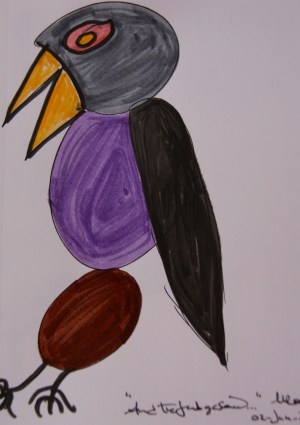
Fear of the Hawk
For Jane Tims
https://janetims.com/2016/06/29/mourning-dove/
I was inspired to write this particular blog when I read Jane’s account of how she had worked and re-worked her poem on the mourning doves in her yard. Thank you, Jane, for encouraging me to complete this exercise.
Empty Nest, the first version of Fear of the Hawk, started as a short story featuring a series of dialogues between an elderly couple who lived in a world filled with misunderstanding. They had no children and were more interested in the birds in the garden than they were in each other. The man buried himself in his journal and the woman occupied herself with the everyday details of running the house: an odd couple indeed, but far more normal than we sometimes realize. I tried to emphasize the gaps where the two ends of the conversation didn’t meet, the lack of understanding, the concentration on the trivial things that made up their existence, but I never felt that the story functioned properly as a story. It was, like their relationship, loose and woolly, and the narrative elements contrasted too strongly with the poetic elements. All in all, it was a mixed-up mish-mash, a tangle of gnarled strings. But I liked it.
Empty Nest (2013, 1458 words)
“I heard a bang against the window. When I went out, I found him lying there; he looked like an abandoned sock. Do you think he’ll get up and fly away?”
“She looks dead to me.”
“He can’t be dead. It was only a little bump.”
“Look at how the breeze is ruffling her feathers: she’s dead alright.”
“What do you think we should do with his body? We can’t just put him in a plastic bag and throw him in the garbage. I know: we could bury him in the flowerbed; then you could say nice words over him. You can fold his little wings and lay him gently down. He’ll trust you. You’re so good with words.”
“I am?”
“Of course you are. You’re always writing in your journal. We’ll have some lunch and then we’ll bury him in the garden.”
“Ground’s too hard.”
“You’ll think of something. I don’t want him eaten by the neighbor’s cat.”
“Just put her in the garbage.”
“Don’t say that. If you had been an ethereal spirit and had flown the skies with the wind ruffling your feathers, you wouldn’t want to be buried in a garbage bag.”
“If I were dead, I wouldn’t care.”
He writes: On the balcony there is a sudden flurry of Mourning Doves. They are nipping at each other and pecking the grain she has put out for them. Unmated males do aerial displays rising up then descending in a long spiral glide. Sometimes they get spooked by hawks, or the shadows of hawks, and then they fly into the windows. It’s not unusual for one to break his neck.
“Shall we have some lunch now? You must be hungry. We only had half a grapefruit and a slice of toast for breakfast. What would you like for lunch?”
“I don’t mind.”
They call them Mourning Doves because they mate for life and mourn, such a sorrowful sound, if one of them dies. There’s safety in numbers: one or two perish but the flock survives. Swift flash of the shadow hawk skimming the feeder: empty husks blown on the breeze, the birds have scattered. Just one remains, lying there, lifeless. Tonight, without him, her nest will be empty. We can only hope that the chicks have already flown.
“I’m worried about that bird. Will the cat eat him?”
“I doubt it.”
“After lunch, we’ll put him in the garden and pile stones around him. That way he’ll rest in peace. You can say a little prayer; then when spring finally comes, he’ll fly away to heaven to become a Morning Angel instead of a Mourning Dove.”
“A Morning Angel: that’s nice.”
The Evening Grosbeaks are wild. Christmas decorations, they sit in the leafless trees and chatter with excitement. The Redpolls are random, like thoughts, and totally untamable. They hop up and down and flit away when anyone appears. Only when the balcony is empty do they drop down for food and even then they’re scared of their own shadows.
“I’m going to make lunch now. Would you like some soup? I’ll take the vegetables left over from last night, add a tomato or two and a drop of sherry and then I’ll put it in the blender and warm it up. It’ll be lovely: lots of roughage and vegetable fiber.”
“That sounds nice.”
“Or would you rather have a tin of soup?”
“You choose.”
“You always like tomato soup. I’ll open a tin of tomato soup. While the soup’s warming, I’ll cut some bread.”
In spite of the bright light from the morning sun, there are secret shadows everywhere. The light prances and the old snow is no longer smooth, but dimpled; it sparkles with tiny dots of color. The spring snowflakes fly everywhere covering the ground with a delicate tracery that sparks beneath the sun. It reminds me of another day, long ago, cold like this, when the ground was hard and the snow danced in the wind.
“Lunch is almost ready. Put your pen down; come along now: I love it when we do things together. Here’s the soup.”
“Where’s the bread?”
“I haven’t cut any yet. Do you want plain bread and butter? Or would you like me to make toast?”
“I don’t mind.”
“Isn’t the soup nice? I do like tomato soup. Isn’t it a lovely day?”
“Not for that dove, dear; she’s going to her own funeral.”
The light is special here in the kitchen. Streams of sunlight bounce off every surface. The amaryllis has opened four scarlet trumpets of joy. The hyacinths weigh down the air with a heavy scent. As for the cyclamen, its soft white leaves are fringed with an emperor’s purple and its sharp leaves point the path to spring. They make me think of those other flowers.
“That was very nice. I’ll make some tea then we can go out and bury him. Would you like some tea?”
“Please.”
“I’ll just put the kettle on and make you a nice cup.”
“Sure.”
I have pondered the chances that led us here. ‘What would have happened,’ I often wonder, ‘if they had lived?’ But they didn’t; and that’s all in the past and best forgotten.
“Here’s your tea. Now, I’ve given you milk, but no sugar. Stop that writing and drink your tea before it goes cold.”
“Yes, dear.”
“Are you thinking of some nice words to say over that poor dove? I’m sure he’ll appreciate it, knowing as he flies to heaven that your words have sped him on his way.”
“I’m thinking.”
“A few simple words will do: ‘Mourning Dove, Mourning Dove, fly away home … your nest is on fire and your children have flown’ or something like that. You’re so good with words.”
“I’ll think of something.”
“Now drink up your tea, it’s getting cold. And do be careful. Thank heavens I gave you a saucer. You’d spill the tea everywhere, if I wasn’t here to look after you. You’re like a little child. You wouldn’t know what to do without mother to look after you. And don’t be long: you know how short the days are. I want to bury him in daylight, not in the dark.”
“She won’t know the difference.”
“Oh yes he will. How would you like to be buried at midnight, with the owls hooting? There’s no telling where you might end up. No, a proper daylight funeral is the only thing. He’ll be much happier when we’ve tucked him into his little earthen bed with the sun still shining, won’t he?”
“I suppose so.”
“Come along now. Put down your pen and drink up your tea. The tea’s no good to you cold. You must finish whatever it is you’re doing and come out with me so we can bury him.”
“I’ve nearly finished, dear.”
“Come along then. I’ll just go to the bathroom and then I’ll put on my hat and coat. And you get those lovely words ready. Wrap up warmly. We don’t want you to catch cold.”
That dead dove is a female, not a male. She could never distinguish between the sexes. We are burying HIM, not HER. Males have a light grey crown with iridescence at the side of the neck. Females are a uniform brown. It’s funny how memories flock back. It’s twenty years almost to the day since we buried the children. She buried our son and I buried our daughter. After the accident it was even more difficult to tell them apart. But I knew: she didn’t. The snow was falling, just like today, as we laid them side by side. We are both only children and one day one of us will have to bury the other. And who will look after the survivor now the nest is empty and the chicks have gone?
“Are you going to sit there and finish that bottle?”
“Yes.”
“Why don’t you come and watch the television with me? There’s a nice program on.”
“I’m thinking.”
“Are you thinking about that little chap we buried today?”
“Sort of.”
You can drown now in this liquid silence. Or you can rage against this slow snow whitening the dark space where you placed your children. The silver birch wades at dusk’s dark edge. Somewhere, sometime, sunshine will break spring flowers into blossom.
“I heard that ‘pop’: you aren’t opening another bottle, are you?”
“Yes: and I’m going to drink it.”
Tight lips. A blaze of anger. A challenge spat in the wind’s face. High-pitched the rabbit’s grief in its silver snare. Staring skull: the midnight moon floating deep in a trance. If only I could kick away this death’s head sow’s bladder. Full moon drifting high in a cloudless sky. Emptiness. Empty nest.
By 2014, I had re-visited the story on several occasions, picking at it, pulling it apart, sharing it to my online writing group, worrying over it with them. I was looking for something more dynamic, something that would catch and hold an audience. After much thought, I shortened the story considerably, removing the dialog and the wife, and came up with When the telephone rings (2014). In many ways, this was the start of Fear of the Hawk.
When the telephone rings (2014, 873 words)
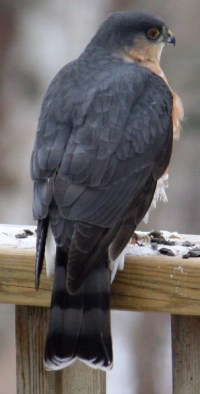
The sharp-shinned hawk glides in on silent wings. He sits on top of the hydro pole and surveys his empire. Bored, he takes a step into space and drops the weight of his body onto the gangplank of the fragile air. He opens his wings and sends his feathered arrow streaking across my garden.
Yesterday morning, the television news anchor talked of another IED attack in Afghanistan and this morning video clips showed thick, heavy smoke rising from a destroyed vehicle. My son’s regiment has been ambushed twice already. He always e-mails me before he calls, but we haven’t spoken for a couple of days now. I hate it when he sets out on patrol to protect those friends who may yet be enemies and lightning strikes so fast over there, often from a cloudless sky.
The late spring sun carves charcoal lines of shadow. Light dances and reduces the snow to tiny islands of white that float in a rising sea of green blades. What remains of the winter snow is no longer smooth, but dimpled and wrinkled, glowing with a million tiny dots of color. Dew point: an occasional snowflake floats down like a feather.
The mourning doves clamber all over the back porch. They nip at each other, pecking at the black oil sunflower seeds I have scattered. I watch as unmated males perform their aerial displays rising up then descending in a long spiral glide.
The hawk is back. He skims his shadow over the feeder and the doves scatter, merging with the empty husks blown on the breeze of the predator’s passage. One bird flies my way and thumps into the window. I look out: on the porch, the stunned bird twitches weakly, once or twice, then the grey glove bursts into life, spreads its wings, and flaps away. A military robin, nonchalant in the sunshine and bright in his scarlet uniform, steps his sentry duty across the lawn.
The feathered arrow comes from nowhere, makes contact, feet first, lifts the robin and slams him against the ground. The redbreast’s shrill shriek emerges from a beak that shreds failing air. The hawk tightens his grip. I watch the claws clench, the robin’s movements weaken, one pair of eyes glaze over, the second pair throws a defiant light across the garden towards the window from which I watch.
One final spasm, a last quick twitch, and the robin is gone, one wing dragging, borne skywards in the claws of the triumphant hawk.
I open the door and walk to where the killing took place. Feathers and blood mark the spot. Around me, not a leaf moves: the woods are silent.
I gaze around the garden. Beneath the silver birch a large bundle of brown and white feathers flutters in the breeze. A red-tailed hawk, one of our largest predators, lies there motionless. It possesses, even in death, the yellow eyes of a juvenile. I turn its body over with my foot and see the gashes, beneath its left breast, where marauding beaks have punched their way through the white bones of the rib cage into the heart. No wonder the crows were making so much noise earlier this morning.
I walk to the garage, fetch a shovel, and pick up the hawk. Then I carry it to the back step and leave it there while I go inside and make a cup of tea.
As I sip my tea, a flight of pine grosbeaks crowds into the feeder. They are the wildest birds of all. They squat among the light green fists of leaves like Christmas decorations and chatter with excitement. Then they descend to the feeder in waves. They lock claw to claw in aerial combat and rise in frantic displays to fight over their food.
What shall I do with the hawk? I can’t just throw the corpse into a plastic bag and leave it for the garbage men. I’ll have to dig yet another grave and bury it in the trees at the garden’s foot near the spot where once I planted the ashes of my wife and daughter to keep them close.
I go to the garage and exchange the shovel for a spade. The ground’s still a little bit hard, but I’ll be able to scratch a shallow grave for the hawk, a scrape, if nothing more. It will be enough to keep the neighbor’s cat at a distance and to deter stray dogs.
When I return to the kitchen, dots of refracted sunshine spin out from the sun-powered crystals that turn in the window. They cut through the heavy air that the hyacinths weight with their redolence. The soft white flowers of the cyclamen respond to the dancing points of light and the curved edges of its veined leaves soak up the sun. Redpolls clamor at the feeder. They are random, like thoughts, and completely untamable.
“Never two without three,” I think as I sit at the window and watch them dance.
The telephone breaks suddenly into life. I jump to my feet, catch my breath, and place a hand over my heart. A hard lump rises in my throat and my mouth twitches into a grimace as I reach for the phone.
The bare bones of the story are visible from the start. Yet the balance still isn’t right. Hawks, doves, crows, grosbeaks, redpolls: there are just too many birds and bird species. As a result, the essence of what might be a story is cluttered and fails to stand out. I tried to rewrite the story on several occasions, but at this stage I was unable to pinpoint the faults. They were still present in the second version in which I expanded the situation in Afghanistan. That second version didn’t convince me either: and if I cannot convince myself, how can I convince a reader? It is still wordy. It still lacks sharpness.
I left the story for nearly a year. During this time I thought about it, re-read it, shuffled the words around, and then abandoned it. I had read it at least twice in public, but my readings hadn’t convinced me that this was the tale I wanted to tell, written in the way I wanted to tell it. I abandoned it. But there were episodes that I really liked. I revisited those episodes and determined to turn them into poems. Here they are, sharper, cleaner, more focussed.
Sharp-shinned Hawk
She surveys her empire
from a tall tree then steps
into space and plunges her
body’s weight into fragile air.
A feathered arrow, she makes contact,
feet first, and pins the unsuspecting robin
to the ground. His shrill shriek emerges
from a beak that shreds failing air.
The hawk’s claws clench
as her victim’s movements weaken
and his eyes glaze over.
One final spasm,
a last quick twitch, and the robin is gone,
one wing dragging, borne skywards
in the hawk’s triumphant claws.
Passerines
Light dances and reduces spring’s snow:
tiny white islands floating in a rising sea of green.
The late spring sun carves charcoal lines of shadow.
What remains of the winter is no longer smooth,
but dimpled and wrinkled,
glowing with a million tiny dots of color.
Dew point: occasional snowflakes
float down — feathered parachutes.
Dots of refracted sunshine spin out from the sun-
powered crystals that turn in my window.
They cut through the heavy air that the hyacinths
weight with their redolence.
The soft white flowers of the cyclamen
respond to the dancing points of light,
the curved edges of its leaves soak up the sun.
Returning passerines clamor at the feeder.
They are random, like thoughts,
flighty and totally untameable.
Crows
Masters of the airways,
they ride the skies,
fingertips spread to grasp
handholds of air
only they can feel.
Tribal, territorial,
they mob a hawk
spearing and stabbing
till the hawk body
tumbles to the grass.
Beneath its still warm wing,
sharp beaks broke bone bars,
laid bare the intruder’s heart:
a murder of crows.
As I converted prose to poetry, some interesting things happened. First, with the exception of one possessive adjective, my window, I have withdrawn the narrator from the poem. The birds are the central characters. They are the poem. Second, the poem has sharpened each chosen moment and allowed the reader to focus on a single event. Third, the outside narrative has been abandoned completely. Whether it be good or bad, this is poetry: a narrative cut down to its most intimate and challenging moments. This poetic skeleton served as the framework around which I again rewrote my tale, a tale that has now been shortened to 675 words.
Fear of the Hawk (2016, 675 words)
The hawk glides in on silent wings. He sits on top of the hydro pole and surveys his empire watching for the slightest weakness. Bored, he takes a step into space and drops the weight of his body onto a gangplank of fragile air. He opens his wings and speeds the feathered arrow of his passing across Frank’s garden.
CBC reports another incident. This time, Frank’s son’s regiment is involved. The boy hasn’t e-mailed his father for seventy-two hours now and Frank’s worried about him. The father thinks of his son making all those patrols among today’s smiling friends. These friends may well turn out to be tomorrow’s scowling foes. Frank knows that every day something bad may be coming, but neither he nor his son knows how or when.
Outside in Frank’s garden, the morning sun carves charcoal lines of shadow. Light dances and reduces the snow to tiny islands of white that float in a rising sea of grass. What remains of winter is no longer smooth, but dimpled and wrinkled, glowing with a million tiny dots of color. From the cloudless sky, an occasional snowflake parachutes down, cross-wise, like a feather.
A military robin, nonchalant in the sunshine and bright in his scarlet uniform, steps his sentry duty across advancing grass.
The predator comes from nowhere, makes contact, talons first, lifts the robin, and slams him into the ground. A single prolonged shriek emerges from the robin’s beak. The sharp-shinned hawk tightens his grip. Claws clench, the robin’s movements weaken and his eyes glaze over. The hawk’s eyes throw a defiant light challenging the space before him. One final spasm, a last quick twitch, and the robin is gone, one wing dragging, borne skywards in triumphant claws.
Frank opens the door to the garden and walks to the killing field. A white tail feather and several bright beads of blood mark where the robin surrendered his life. Silence reigns around the place of execution.
A flutter of feathers beneath the silver birch catches Frank’s attention. A red-tailed hawk lies there with the wind ruffling its plumage. Frank walks to the bird and turns its body over with his foot. He examines the gashes beneath the left wing where the crows’ marauding beaks have punched their way through to the white bones of the rib cage and into the heart. No wonder the crows were making so much noise earlier this morning, he thinks.
He walks to the garage, fetches a spade and places the blade beneath the corpse. Then he carries it to the back porch and sits down beside it on the step while he talks to the hawk. What shall I do with you? I can’t just throw your body into a plastic bag and leave it for the garbage men, or can I? No, I’ll have to dig another grave and bury you in the garden.
Frank has buried so many bodies at the garden’s foot. When he lost his wife and daughter to a highway tractor that swerved into the vehicle they were driving, he scattered their ashes beneath those trees. He still prays there daily and tells them all the news. Burials: he’s done them before and he’ll do them again. He thinks of his son and the lack of emails. He hopes all is well, but he fears that any day now he may receive that fatal call.
The ground’s still hard, but he’ll be able to scratch a shallow grave, a scrape, if nothing more. It will be enough to keep the neighbour’s cat at a distance and to deter stray dogs. Never two without three, he thinks as he walks to the garden’s foot and starts to dig.
The digging done, he returns to the back porch and sits on the step. From there, he watches the sunlight playing touch and go with the early ovenbirds that scratch among the dead leaves.
Somewhere, high above, another hawk casts its shadow across the lawn.
Inside the house, the telephone shrieks like a dying robin.
The creative process is strange. It takes us over and we are totally absorbed as we become engaged in the story, the poem, the act of creation. I am sure some readers will really like Empty Nests; in fact, I know they do. I have received positive commentaries on that early story. Other readers and listeners, for I have read the story in public on a couple of occasions, have expressed their enjoyment of When the telephone rings. I published the three poems in a chapbook entitled Triage (2015) and they and the book were quite popular. For now, I will leave Fear of the Hawk in its current form. I do not know where it will take me next.
The main point of this exercise is to re-frame the question: are we writers or re-writers? I claim the title of re-writer for myself. A secondary point is to examine the creative / revision / re-creation process as I envisage it. For me, all writing is experimentation, a search for the right words in the right place at the right time. But now, at the end of this stage of the process, another question arises: how do I know when the story is finished? My guess is that the answer to this question varies with each one of us. In my case, I feel that, with this particular set of writings, I have reached closure. I have no more to say at this point in time. I am happy with what I have now accomplished and I have no deep-seated feeling that this particular work is unfinished and that the show must go on. The three poems are published and complete in themselves: I am happy with them. I am also happy with this final version of the story … except for that last line. I must revisit that very last line. I think it can be even stronger.


 rogermoorepoet